India

India Weather & Climate: Monthly Averages

Monthly climate averages for India, temperatures, rainfall and the best time to visit.

Climate overview of India

India has an incredibly diverse climate, attributable to its geographical location and vast differences in geography. This diversity is evident in the fact that the country encompasses no fewer than seven distinct climate zones. Given this variability in climate types and weather patterns, it's crucial for travelers to carefully consider their destination within India, as well as the season of their visit.

Best Time to Visit Delhi

October, February, and March are among the best months to visit Delhi —the nights are pleasantly cool, while the days are bright and sunny. However, Delhi is one of the cities with the worst pollution levels, which is further exacerbated by farmers burning crop residues around the city. From November 1 to 15, Delhi experiences its worst air quality of the year. May, June, and July are extremely hot, with temperatures exceeding 45°C (113°F). The heat can be unpleasant, often accompanied by dry conditions, occasional dusty desert winds, and increased smog.

Monsoon Season and Rainfall

Most of the country's rain falls between May and September, with tropical rains being common in India's coastal cities. If you travel to eastern India during this time, you can almost be assured of heavy rain and a high possibility of flooding, along with other problems associated with extreme precipitation.

Best Travel Time for South India

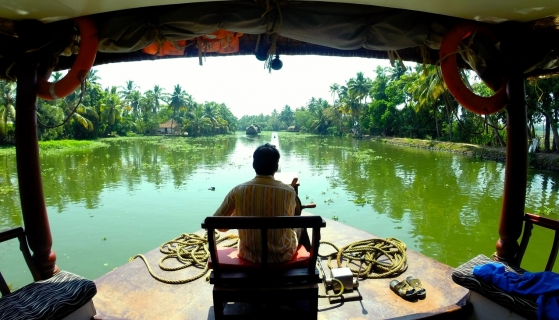
For the rest of India, the best travel time varies. During the rainy season in Kerala, the steady downpours alternate with blisteringly hot sunny moments, creating extremely high humidity. Because of that, the best time to visit southern India is during the cooler, dry months from November to March. November, in particular, offers beautiful scenery with fresh greenery from the recent rains. However, occasional showers can still occur during this month.

Best Travel Time for North India

The north of India is best visited in October and November or from mid-February until May. From December to January, it can still get very cold in the mountains.

Best Time to Visit Ladakh

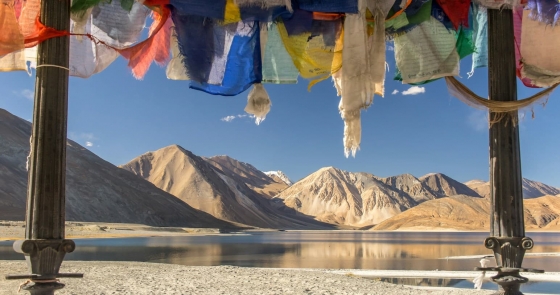
The best time to travel to Ladakh is from June to September, though it is also possible to visit in May. However, May and June can be a bit early for higher-altitude trekking due to the lingering snow on the routes. Generally, Ladakh becomes accessible by road from mid-May in most years.

Explore India by month

Popular cities by month

Compare cities per month. Toggle cities on/off.

New Delhi Varanasi Bengaluru Mumbai Kochi Hyderabad
Day temperature (°C)
Monthly rainfall (mm)
Monthly sunshine (hours)

Climate map

Average daily temperature, monthly rainfall & sunshine hours across cities.

Avg day temp (°C)
32°

Regional climate differences

Explore the climate diversity across India.

Compare popular cities

Average daytime and nighttime temperatures, yearly rainfall and sunshine.

New Delhi 21°C (70°F) 41°C (106°F) 9°C (48°F) 29°C (84°F) 709 mm (28 in) 2,796 hours
Varanasi 24°C (75°F) 41°C (106°F) 11°C (52°F) 29°C (84°F) 1019 mm (40 in) 2,846 hours
Bengaluru 28°C (82°F) 35°C (95°F) 17°C (63°F) 22°C (72°F) 959 mm (38 in) 2,393 hours
Mumbai 29°C (84°F) 32°C (90°F) 20°C (68°F) 28°C (82°F) 1860 mm (73 in) 2,584 hours
Kochi 28°C (82°F) 31°C (88°F) 25°C (77°F) 27°C (81°F) 2925 mm (115 in)
Hyderabad 30°C (86°F) 40°C (104°F) 17°C (63°F) 28°C (82°F) 801 mm (32 in) 2,730 hours

FAQ

What is the best time to visit India?

The warmest month in Jaisalmer is May, with daytime highs of 43°C (109°F). Ahmedabad is the sunniest destination, with 329 hours of sunshine in May. India has a distinct dry season from September to June. Explore India weather by month for a detailed breakdown.

What temperatures can I expect in India?

Jaisalmer is the warmest destination, reaching 43°C (109°F) in May with nights around 29°C (84°F). Kaza is the coolest, with December daytime highs of just -17°C (1°F) and nights dropping to -29°C (-20°F). Temperatures vary significantly between regions and seasons. See the city comparison for a full overview.

How much rain does India get?

Rainfall varies across India. Gangtok is the wettest, receiving 5153 mm (203 in) per year, with July the wettest month at 1092 mm (43 in). Rajkot is the driest at 680 mm (27 in) per year. Use the climate map to explore rainfall patterns across regions.

How sunny is India?

Ahmedabad is the sunniest destination in India, enjoying 3,015 hours of sunshine per year, with May the brightest month at 329 hours. Overall, India enjoys abundant sunshine year-round. Compare sunshine across cities in the charts above.

What is the climate like across India?

New Delhi has very hot summers reaching 41°C (106°F) in May and pleasant winters dropping to 21°C (70°F), with 2,796 hours of sunshine and 709 mm (28 in) of rain per year. Varanasi has very hot summers reaching 41°C (106°F) in May and warm winters dropping to 24°C (75°F), with 2,846 hours of sunshine and 1019 mm (40 in) of rain per year. Bengaluru has very warm summers reaching 35°C (95°F) in April and warm winters dropping to 28°C (82°F), with 2,393 hours of sunshine and 959 mm (38 in) of rain per year. Explore the climate charts and comparison table for more cities.

Places in India

Select a city to see its average temperature, precipitation and hours of sunshine over the year.

Islands

Explore more

Travel inspiration

Must-visit destinations and experiences across India.