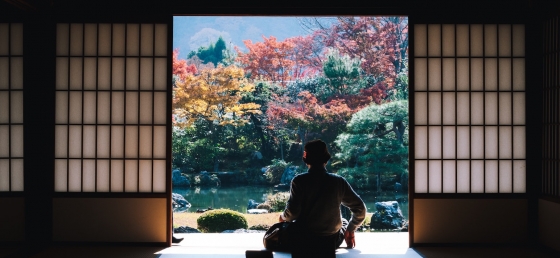
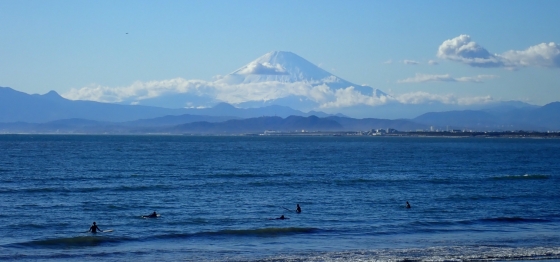
The climate in Japan varies widely from one region to another. The largest part of Japan has a temperate maritime climate, and most of the country experiences four distinct seasons. The most attractive seasons are spring and autumn, due to the cherry blossoms (Sakura) in spring and the beautiful colors of autumn leaves.
Seasons in Japan
Spring lasts from March until May, while autumn spans from September to November. From late May to late June, or sometimes early July, Japan experiences a rainy season known as Tsuyu. The air becomes moist and wet, and the humidity can rise to levels where drying clothes outside becomes difficult. Another period of regular rainfall occurs in early autumn.
Winter lasts from December to March, and the further north you go, the greater the differences in seasonal conditions. The far north and south of Japan have very different climates. For example, in March, you can sunbathe in the south while skiing in the north.
Climate Differences Between Regions
In the south of Japan, where the climate is more Mediterranean and subtropical, there are only two seasons. Winters are mild with a fair amount of precipitation, while summers are warm to fairly hot with significant rainfall.
Best Time to Visit Japan
It is difficult to designate a single period as the best time to visit Japan. However, if we had to choose, spring is the most suitable travel period. Specifically, April, May, and the beginning of June are considered the best months to visit. Have a look at the video below for more information about the best time to visit Japan.
 China
China India
India Thailand
 Indonesia
 Sri Lanka
 Malaysia