














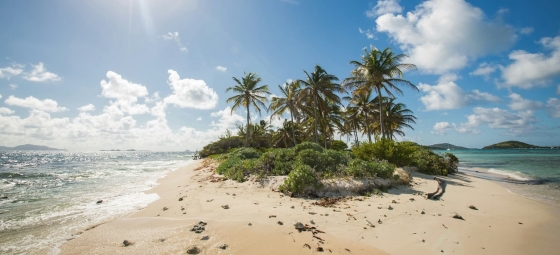
 10 Hidden gems in Asia you need to visit
Explore 10 hidden gems in Asia offering authentic experiences, from pristine beaches and remote islands to cultural treks and peaceful mountain villages.
Dhahban in Makkah Al Mukarramah Province, Saudi Arabia sees moderate seasonal temperature shifts, with daytime highs between 29°C (84°F) in January and 39°C (102°F) in July, averaging 35°C (95°F) annually. Explore the full monthly breakdown below.
In Dhahban, seasonal changes bring about a moderate variation in temperatures. Nighttime lows range from 29°C (84°F) in July to 20°C (68°F) in January.
The chart below illustrates the average maximum day and minimum night temperatures in Dhahban by month:
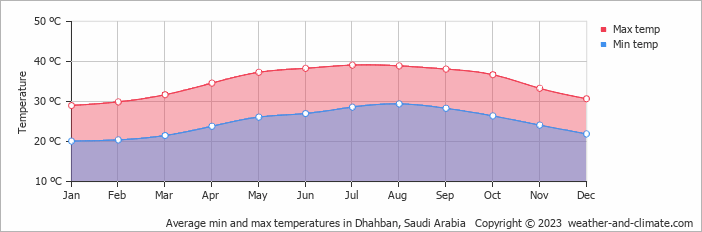
Low temperatures are most often recorded between 4 AM and 6 AM, while highs typically occur around 3 PM.
The chart below shows the average temperature throughout the year:
The map below shows the annual temperature across Saudi Arabia. You can also select individual months if you want to compare a specific time of year.
Dhahban's average annual maximum temperature is 35°C (95°F). To put that in context, here's how it compares to a few well-known destinations:
Rome, Italy averages 20°C (68°F) annually, with reliably warm summers and comfortable winters.
Queenstown, New Zealand averages 10°C (50°F) annually, remember seasons are flipped, so its coldest months fall in June and July.
Boston, USA averages 16°C (61°F) annually, with four distinct seasons and cold winters that rival northern Europe.
Melbourne, Australia averages 20°C (68°F) annually, known for unpredictable weather, with four seasons sometimes happening in one day.
Temperature alone doesn't tell the whole story, humidity plays a big role in how warm or cold it actually feels. High humidity in summer makes the heat feel more intense, particularly once temperatures climb above 25°C. In winter, the same humidity can make cold air feel sharper than the thermometer suggests.
In Dhahban, January is the coolest month, with average highs of 29°C (84°F) and humidity around 60%, considered high. In July, the warmest month, temperatures average 39°C (102°F) with 53% humidity, conditions that feel moderate. For a full picture, see our humidity page.
Climate temperature data is typically calculated as a 30-year average. This smooths out year-to-year variability and gives a more reliable picture of what a place is actually like, rather than what happened in any single unusual year.
The readings come from a range of sources, land-based weather stations, ocean buoys, ships, and satellites. That data is collected by weather services around the world, then pooled, quality-checked, and averaged to produce the climate records you see here.
For cities and regions with significant elevation, altitude is one of the biggest factors shaping local temperatures. As a rule of thumb, temperatures fall by around 6°C for every 1,000 metres gained, so a city at 2,000 metres will typically be around 12°C cooler than a city at sea level in the same region. Higher ground also tends to see more dramatic day-to-night temperature swings, since thinner air loses heat faster after sunset.
For more on Dhahban's weather, including monthly rainfall, sunshine hours, and humidity, visit our Dhahban climate page.
Pick a month to see the average temperature, rainfall and sunshine in Dhahban - and find the best time to visit.
See the full Dhahban climate overview or explore weather in Saudi Arabia.
Where to go in September - average daytime high across popular destinations.
 Buraydah
 42°C (108°F) Medina42°C (108°F) Riyadh
 42°C (108°F) Makkah41°C (106°F) Dammam38°C (100°F) Al Khobar38°C (100°F) Yanbu36°C (97°F) Jeddah35°C (95°F)
 Need travel inspiration? Check out our bucket list articles and be inspired.
10 Hidden gems in Asia you need to visit
Explore 10 hidden gems in Asia offering authentic experiences, from pristine beaches and remote islands to cultural treks and peaceful mountain villages.
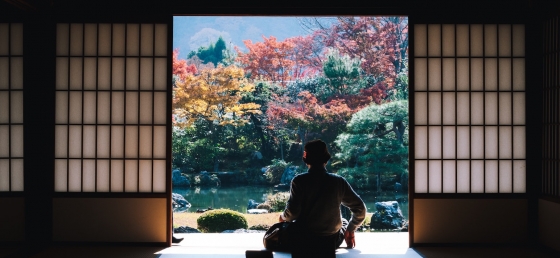
 Chase the autumn leaves in Japan
Japan is one of these cases which turns into a gold, yellow and orange fairy tale starting from September. And we can honestly say: We cannot imagine a more beautiful season to visit Japan.

 The 10 Most Exquisite Beaches in the Philippines
Explore the top 10 breathtaking beaches in the Philippines, from serene Nacpan Beach to volcanic Camiguin Island, in our detailed guide.
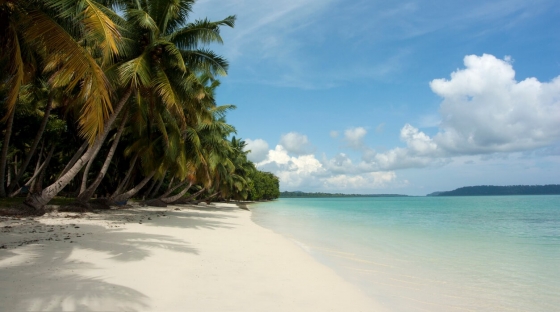
 A paradise called Andaman Islands
Though officially Indian, the Andamans are nearer Myanmar, Indonesia, and Thailand, resulting in amazing, budget-friendly white-sand beaches.