

















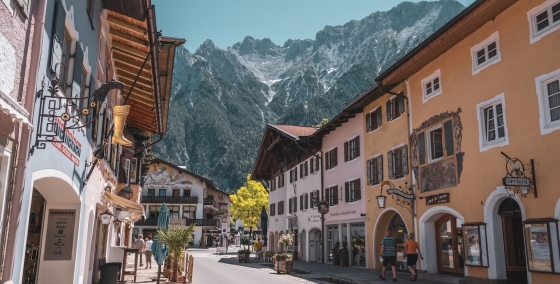
 The 10 most beautiful towns in Germany
Explore Germany's hidden gems with our guide to 10 stunning cities beyond Berlin. Discover historic towns, unique culture, and cozy atmospheres."
Sunshine plays a big role in understanding the climate of a city. This page shows the total number of hours of direct sunlight per month and the average hours per day in Lebach, Saarland, Germany. Long-term data from 1990 to 2020 was used to calculate these averages.
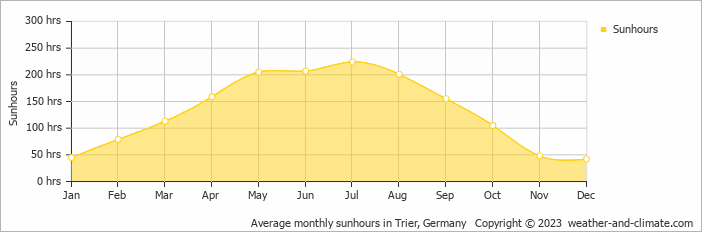
Those who love seasonal contrasts will appreciate Lebach. Expect long, bright days with 224 hours in July and darker periods with just 42 hours in December. The total annual amount of sun is 1583 hours.
Seasonal changes in sunshine hours are quite obvious in Lebach. While July receives considerable daily sunshine with up to 7.5 hours, December marks the darkest time of the year, where sunshine is scarce with only 1.4 hours of sunlight per day.
Lebach enjoys an average of 1583 hours of sunshine annually. Let’s compare this with some popular tourist destinations:
In Lisbon, Portugal, there are approximately 2801 hours of sunshine annually, highlighting its warm and sunny Mediterranean climate.
In contrast, Brussels, Belgium, receives only about 1590 hours of sunshine per year, known for its frequently overcast and rainy skies.
Stockholm, Sweden, receives approximately 1907 hours of sunshine annually.
Perth, Australia, enjoys 3180 hours of sunshine annually, the highest among major Australian cities.
December, Lebach’s wettest month, receives 76 mm (3 in) of rainfall and has a maximum daytime temperature of 6°C (43°F). During the driest month April you can expect a temperature of 15°C (59°F).
For more detailed insights into the city’s temperatures, check out our Temperature page. To explore more about precipitation patterns, visit our Lebach Precipitation page.
Pick a month to see the average temperature, rainfall and sunshine in Lebach - and find the best time to visit.
Temperature Rainfall Sunshine
See the full Lebach climate overview or explore weather in Germany.
Where to go in September - average daytime high across popular destinations.
Berlin 21°C (70°F) Hanover20°C (68°F) Cologne21°C (70°F) Düsseldorf21°C (70°F) Munich
 20°C (68°F) Hamburg20°C (68°F) Binz
 18°C (64°F) Winterberg18°C (64°F)
 Need travel inspiration? Check out our bucket list articles and be inspired.
The 10 most beautiful towns in Germany
Explore Germany's hidden gems with our guide to 10 stunning cities beyond Berlin. Discover historic towns, unique culture, and cozy atmospheres."
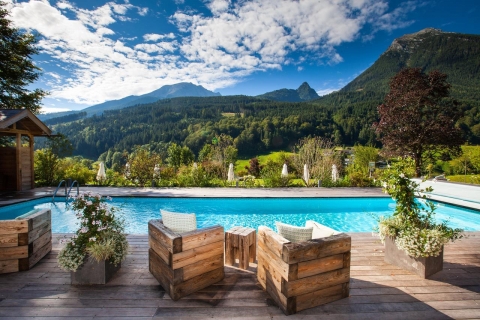 The dreamlike scenery of the German Alps
Nature in the most south-eastern part of Germany is impressive. The German Alps, with their diversity of landscapes, are an ideal destination for a wonderful holiday in nature.
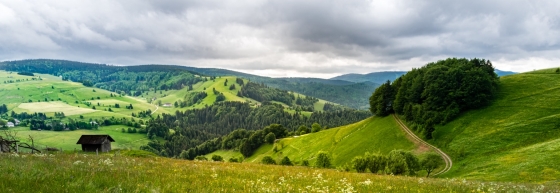 Discover Germany's Black Forest
Immerse yourself in nature and enjoy sustainable tourism practices in Germany's Black Forest. Hike, do yoga, and savor local organic cuisine and beer.
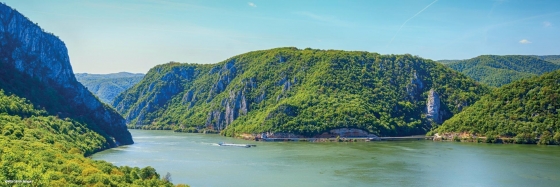
 Cycle the Danube trail
The Danube cycle route is one of the most popular cycling routes in Europe, and rightly so, because it is a varied route that is interesting both in terms of culture and nature.