















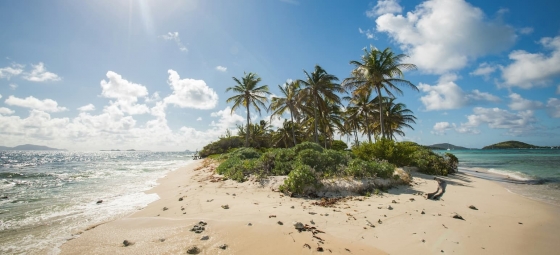
 10 Hidden gems in Asia you need to visit
Explore 10 hidden gems in Asia offering authentic experiences, from pristine beaches and remote islands to cultural treks and peaceful mountain villages.
Tzimbaj, Uzbekistan has an average annual maximum temperature of 20°C (68°F), ranging from 1°C (34°F) in January to 37°C (99°F) in July. Below you'll find a full monthly breakdown and a comparison with cities worldwide.
The climate in Tzimbaj is dynamic, ranging widely from very cold in winter to very hot in summer. Nights are significantly colder, with lows dropping from 22°C (72°F) in July to -8°C (18°F) in January.
The chart below illustrates the average maximum day and minimum night temperatures in Tzimbaj by month:

Daily lows are most common between 4 AM and 6 AM. By 3 PM temperatures reach their daily high, driven by peak solar heating. July, the warmest month of the year, receives 375 hours of sunshine.
The chart below shows the average temperature throughout the year:
The map below shows the annual temperature across Uzbekistan. You can also select individual months if you want to compare a specific time of year.
Tzimbaj's average annual maximum temperature is 20°C (68°F). To put that in context, here's how it compares to a few well-known destinations:
Lisbon, Portugal averages 21°C (70°F) annually, warm summers, mild winters, and rain mainly in the cooler months.
Reykjavík, Iceland averages 9°C (48°F) a year, mild summers by Icelandic standards, but cold winters and frequent wind.
Buenos Aires, Argentina averages 23°C (73°F) a year, with hot summers and mild winters, and seasons reversed compared to Europe.
Melbourne, Australia averages 20°C (68°F) annually, known for unpredictable weather, with four seasons sometimes happening in one day.
Climate temperature data is typically calculated as a 30-year average. This smooths out year-to-year variability and gives a more reliable picture of what a place is actually like, rather than what happened in any single unusual year.
The readings come from a range of sources, land-based weather stations, ocean buoys, ships, and satellites. That data is collected by weather services around the world, then pooled, quality-checked, and averaged to produce the climate records you see here.
Global average temperatures have risen by around 1.2°C since the pre-industrial era, and the effects are visible across many regions. Winters are milder on average, with fewer frost days and less snow in many parts of the world. Heatwaves are more frequent and more intense, and Europe's summers of 2018, 2019, and 2020 all set records.
Summers are also getting drier in some areas, while winter rainfall has increased in others. This contributies to higher river levels and more flooding. In many countries, spring arrives earlier and autumn lasts longer. It has knock-on effects for wildlife, agriculture, and local ecosystems.
For more on Tzimbaj's weather, including monthly rainfall, sunshine hours, and humidity, visit our Tzimbaj climate page.
Pick a month to see the average temperature, rainfall and sunshine in Tzimbaj - and find the best time to visit.
See the full Tzimbaj climate overview or explore weather in Uzbekistan.
Where to go in October - average daytime high across popular destinations.
 Bukhara
 24°C (75°F) Navoi23°C (73°F) Andijan
 23°C (73°F) Tashkent22°C (72°F) Samarkand21°C (70°F) Tamdybulak21°C (70°F) Nukus20°C (68°F) Ak-bajtal20°C (68°F)
Need travel inspiration? Check out our bucket list articles and be inspired.
10 Hidden gems in Asia you need to visit
Explore 10 hidden gems in Asia offering authentic experiences, from pristine beaches and remote islands to cultural treks and peaceful mountain villages.

 Chase the autumn leaves in Japan
Japan is one of these cases which turns into a gold, yellow and orange fairy tale starting from September. And we can honestly say: We cannot imagine a more beautiful season to visit Japan.

 The 10 Most Exquisite Beaches in the Philippines
Explore the top 10 breathtaking beaches in the Philippines, from serene Nacpan Beach to volcanic Camiguin Island, in our detailed guide.
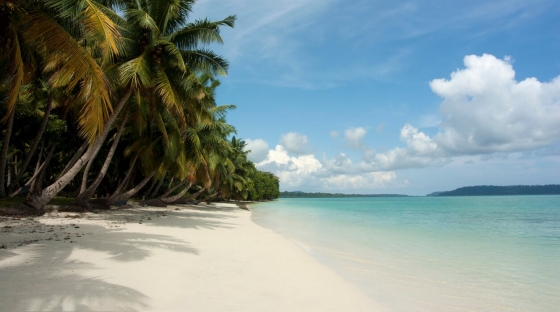
 A paradise called Andaman Islands
Though officially Indian, the Andamans are nearer Myanmar, Indonesia, and Thailand, resulting in amazing, budget-friendly white-sand beaches.