

















 The 10 most beautiful historical towns in Italy
Discover Italy's top 10 historic towns, featuring breathtaking medieval architecture and deep-rooted history, ideal for enthusiasts of extraordinary cities.
Average temperatures, rainfall, sunshine and the best time to visit Livigno.
 –
–
Pick a month to see the average temperature, rainfall and sunshine in Livigno - and find the best time to visit.
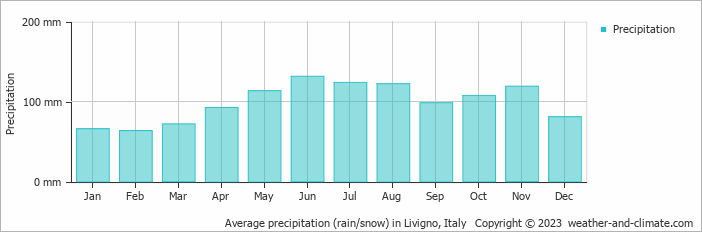
The climate in Livigno is known for significant temperature differences throughout the year, making the weather dynamic. Typically, average maximum daytime temperatures range from a moderate 16°C (61°F) in July to a very cold -6°C (21°F) in the coolest month, January.
Nights vary from 5°C (41°F) in July to around -15°C (5°F) during the colder months.
Check out our detailed temperature page for more information.
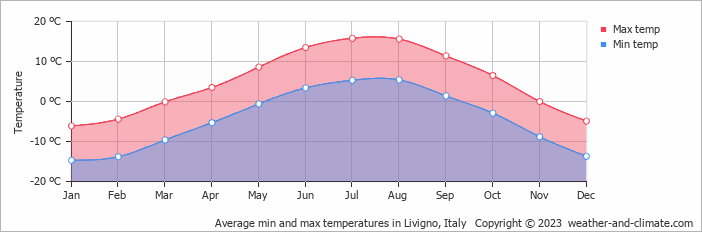
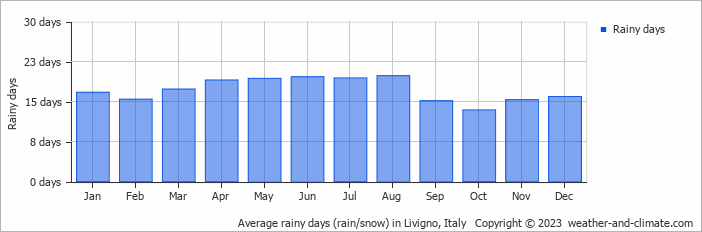
Livigno has a notably wet climate with abundant precipitation, recording 1188 mm (47 in) of rain/snowfall per year. Livigno offers a pleasant mix of wetter and slightly drier months. The difference in precipitation between the wettest month June (131 mm (5.2 in)) and the driest month February (63 mm (2.5 in)) is not too significant. For more details, please visit our Livigno Precipitation page.
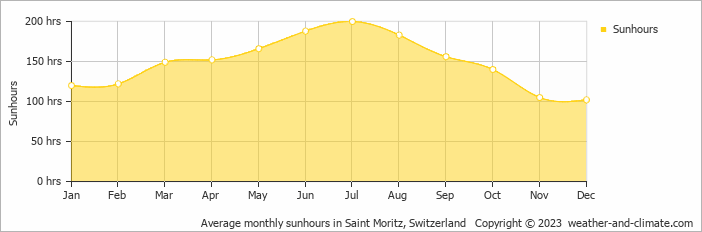
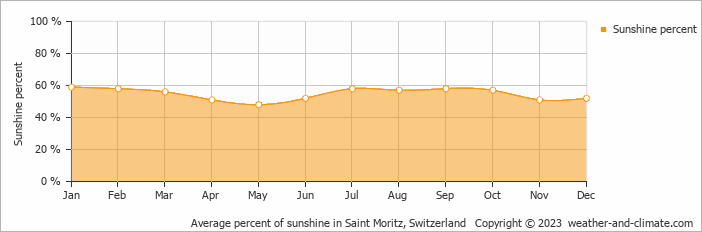
For those who appreciate different seasons, Livigno serves as an ideal destination. Expect longer, more sun-filled days in July with an average of 6.7 hours of sunshine daily, and embrace the darker days in December, offering only 3.4 hours of daily sunlight.
Visit our detailed sunshine hours page for more information.
The relative humidity is high throughout the year in Livigno.
The city experiences its highest humidity in December, reaching 80%. In April, the humidity drops to its lowest level at 68%. What does this mean? Read our detailed page on humidity levels for further details.

Monthly ratings reflect general weather comfort, based on daytime temperature and rainfall. Swimming and winter conditions are highlighted separately where relevant.
June, July, August and September typically offer the most optimal weather in Livigno. In contrast, January, February, March, April, May, October, November and December tend to have less optimal conditions. Livigno has mild summers and very cold winters.
Daytime highs range from -6°C (21°F) in January to 16°C (61°F) in July. Nighttime lows range from -15°C (5°F) to 5°C (41°F). Temperatures vary considerably through the year.
Annual rainfall is around 1188 mm (47 in). June is the wettest month with 131 mm (5.2 in), while February is the driest with 63 mm (2.5 in).
Livigno receives around 1,783 hours of sunshine per year. July is the sunniest month with 200 hours, while December is the cloudiest with just 102 hours.
Livigno is highlighted - select any city to see its climate.
Where to go in September - average daytime high across popular destinations.
Need travel inspiration? Check out our bucket list articles and be inspired.
The 10 most beautiful historical towns in Italy
Discover Italy's top 10 historic towns, featuring breathtaking medieval architecture and deep-rooted history, ideal for enthusiasts of extraordinary cities.
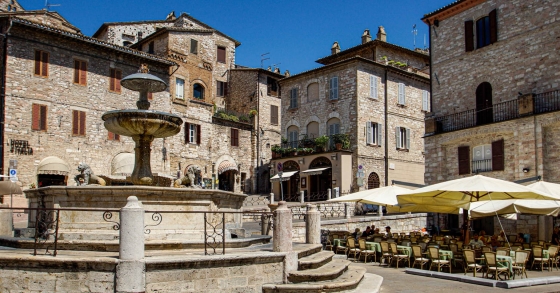 Experience mystical Assisi
Assisi is the most famous town in Umbria and best known because of Saints Francis and Clare of Assisi. Many visitors come to see the breathtaking San Francesco basilica.
 The Battle of Oranges
This is one of the most unusual festivals in Italy. The festival is held in the middle of winter during the winter carnival. The entire city of Ivrea near Turin turns into a battlefield.
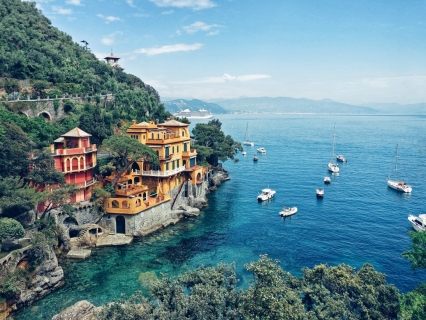 The most beautiful fishing village of Italy
Portofino is the most beautiful fishing village in Italy and maybe even in the world. We absolutely recommend that you add this beautiful place to your bucket list.