

















 Chase the autumn leaves in Japan
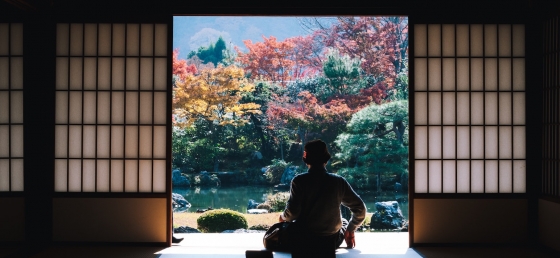
Japan is one of these cases which turns into a gold, yellow and orange fairy tale starting from September. And we can honestly say: We cannot imagine a more beautiful season to visit Japan.
This page shows both the average monthly rainfall and the number of rainy days in Higashi-osaka, Osaka Prefecture, Japan. The figures are based on a 30-year period (1990–2020) to provide a reliable average. Now, let's explore all the details to give you a full picture.
Higashi-osaka has a notably wet climate with abundant precipitation, recording 1493 mm (59 in) of rain/snowfall per year.
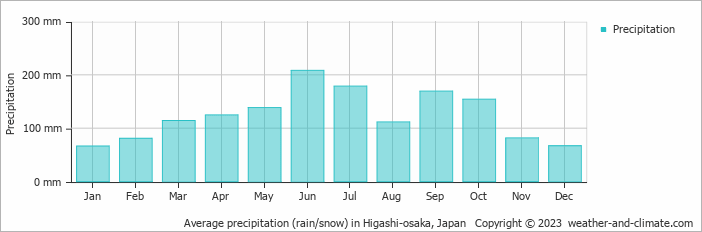
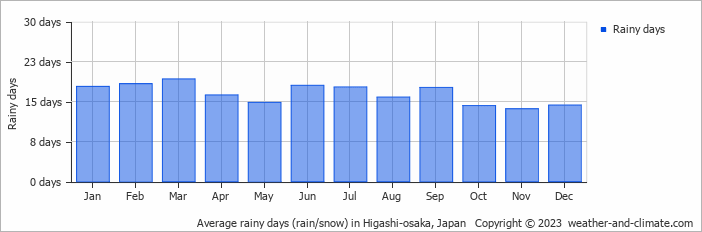
The climate in Higashi-osaka shows significant variation throughout the year. Expect 208 mm (8.2 in) of precipitation during the wettest month June, distributed over 18 rainy days.
In contrast, January offers drier and sunnier days, with around 66 mm (2.6 in) of rainfall over 18 rainy days.
June, the wettest month, has a maximum daytime temperature of 28°C (82°F). The city receives 156 hours of sunshine in this period. During the driest month January you can expect a temperature of 10°C (50°F). For more detailed insights into the city's temperatures, visit our Higashi-osaka Temperature page.
The map below shows the annual precipitation across Japan. You can also select the different months in case you are interested in a specific month.
Higashi-osaka's average annual precipitation is 1493 mm (59 in). Let's compare this to some popular worldwide tourist destinations:
Athens, Greece, receives an average annual precipitation of 400 mm (16 in), making it one of the drier Mediterranean climates with rainfall mostly in winter.
In Seoul, South Korea, the average annual precipitation is 1237 mm (49 in), with most rain falling during the summer monsoon season.
Perth, Australia, receives 565 mm (22 in) of rainfall annually, mostly during the winter months.
Ho Chi Minh City, Vietnam, receives 1955 mm (77 in) of annual rainfall, with a pronounced wet season from May to November, typical of its tropical monsoon climate.
Precipitation amounts are measured using specific gauges installed at weather stations, collecting both rain and snow and any other type of precipitation. Rainfall is measured directly in millimeters, while that from snow and ice is obtained by melting it. Automated systems often incorporate heaters to make this easier.
Information from these stations is transmitted via Wi-Fi, satellite, GPS, or telephone connections to central monitoring networks. This information is immediately updated and integrated into weather models and forecasts.
Precipitation has a very strong role in determining the local climate and ecosystem:
For more detailed information about Higashi-osaka's weather, including sunshine hours, humidity levels, and temperature data, visit our Higashi-osaka Climate page.
Pick a month to see the average temperature, rainfall and sunshine in Higashi-osaka - and find the best time to visit.
Temperature Rainfall Sunshine Humidity
See the full Higashi-osaka climate overview or explore weather in Japan.
Where to go in October - average daytime high across popular destinations.
Naha 28°C (82°F) Osaka
 24°C (75°F) Kyoto23°C (73°F) Tokyo23°C (73°F) Hakone21°C (70°F) Hakuba17°C (63°F) Sapporo16°C (61°F) Niseko15°C (59°F)
 Need travel inspiration? Check out our bucket list articles and be inspired.
Chase the autumn leaves in Japan
Japan is one of these cases which turns into a gold, yellow and orange fairy tale starting from September. And we can honestly say: We cannot imagine a more beautiful season to visit Japan.
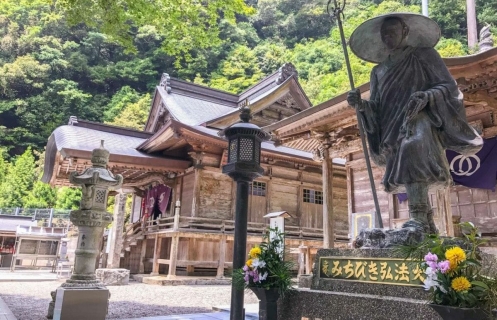 Walk the 88 temple circuit
We recommend walking the 88 temple circuit from April til October. Although June, July and August can be a bit wet, hot and humid.
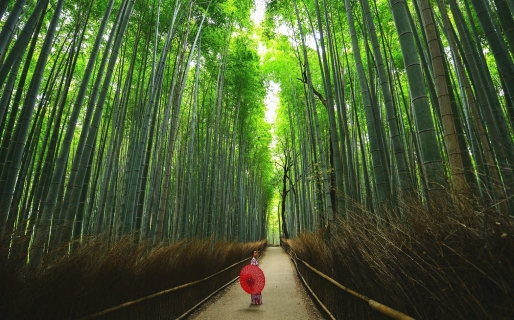 The famous bamboo forests of Arashiyama
The famous bamboo forests of Arashiyama lie just outside the city center of Kyoto and is unique in the world. If you look at photos of this bamboo forest, it looks like you have landed in a fairy-tale world.
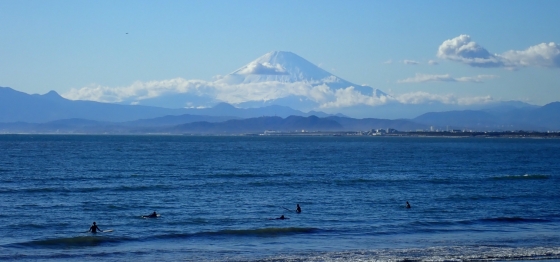 10 reasons why you should visit Japan in winter
Here are 10 reasons why you should plan a winter trip to Japan. During this period, popular sights are less busy and prices for flights and hotels much cheaper.