


















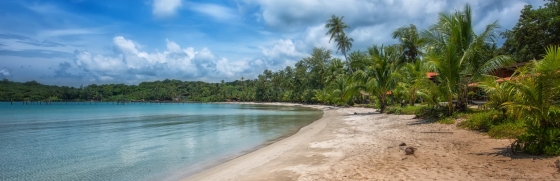
 Discover Kok Kood: a hidden gem in Thailand
Discover the hidden gem of Thailand - Koh Kood! Explore stunning beaches, waterfalls and eco-friendly resorts while enjoying a peaceful atmosphere away from the crowds.
This page shows both the average monthly rainfall and the number of rainy days in Ban Sap Muang, Saraburi Province, Thailand. The numbers reflect climate data gathered over a 30-year period, from 1990 to 2020. Now, let's break down all the details for a clearer picture.
Ban Sap Muang experiences significant rainfall throughout the year, averaging 1162 mm (46 in) of precipitation annually. However, this abundant rainfall is not evenly distributed, with a distinct dry season during certain months. You can clearly see this in our monthly precipitation graphs below.
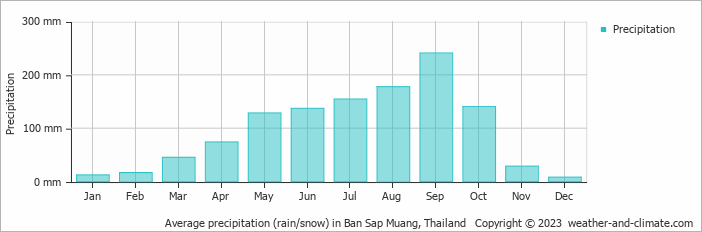
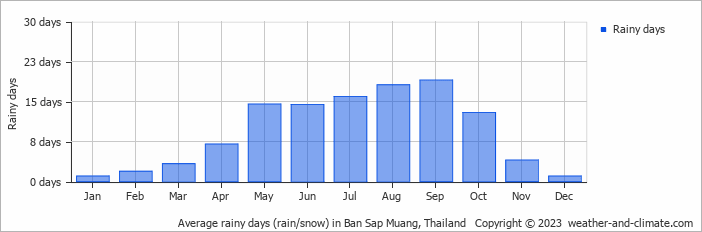
Significant seasonal changes in precipitation occur throughout the year. During the wettest month, September receives substantial rainfall, averaging 241 mm (9.5 in) of precipitation, recorded across 19 rainy days.
In contrast, the driest month, December brings less rainfall, with 7.9 mm (0.3 in) over a single rainy day.
September, the wettest month, has a maximum daytime temperature of 33°C (91°F). During the driest month December you can expect a temperature of 32°C (90°F). For more detailed insights into the city's temperatures, visit our Ban Sap Muang Temperature page.
The map below shows the annual precipitation across Thailand. You can also select the different months in case you are interested in a specific month.
Ban Sap Muang's average annual precipitation is 1162 mm (46 in). Let's compare this to some popular worldwide tourist destinations:
In Toronto, Canada, annual precipitation averages 964 mm (38 in), with snowy winters and rainy summers.
In Shanghai, China, the annual average precipitation is 1347 mm (53 in), with a humid subtropical climate.
Perth, Australia, receives 565 mm (22 in) of rainfall annually, mostly during the winter months.
Singapore, situated near the equator, gets 2581 mm (102 in) of rainfall annually, with no distinct dry season and consistent monthly precipitation.
Precipitation amounts are measured using specific gauges installed at weather stations, collecting both rain and snow and any other type of precipitation. Rainfall is measured directly in millimeters, while that from snow and ice is obtained by melting it. Automated systems often incorporate heaters to make this easier.
Information from these stations is transmitted via Wi-Fi, satellite, GPS, or telephone connections to central monitoring networks. This information is immediately updated and integrated into weather models and forecasts.
For more detailed information about Ban Sap Muang's weather, including sunshine hours, humidity levels, and temperature data, visit our Ban Sap Muang Climate page.
Pick a month to see the average temperature, rainfall and sunshine in Ban Sap Muang - and find the best time to visit.
Temperature Rainfall
See the full Ban Sap Muang climate overview or explore weather in Thailand.
Where to go in September - average daytime high across popular destinations.
Bangkok 34°C (93°F) Chiang Mai33°C (91°F) Jomtien Beach32°C (90°F) Hua Hin32°C (90°F) Ao Nang Beach30°C (86°F) Koh Samui30°C (86°F) Ko Lanta30°C (86°F) Patong Beach29°C (84°F)
 Need travel inspiration? Check out our bucket list articles and be inspired.
Discover Kok Kood: a hidden gem in Thailand
Discover the hidden gem of Thailand - Koh Kood! Explore stunning beaches, waterfalls and eco-friendly resorts while enjoying a peaceful atmosphere away from the crowds.
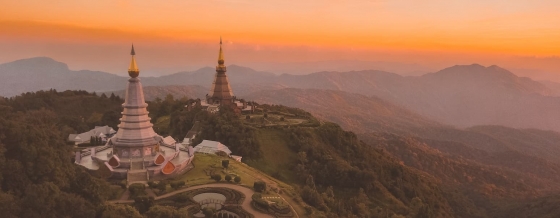 Discover Thailand: An Ultimate Guide for Yogis
Explore Thailand's best for yogis: serene retreats, spiritual growth, and adventure. Dive into yoga, meditation, and nature's tranquility for an unforgettable journey.
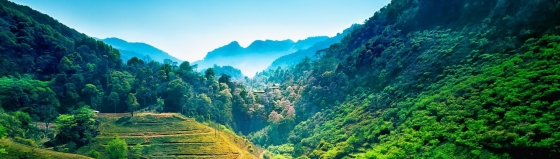 Trekking in Northern Thailand
One of the most beautiful attractions in Thailand is trekking along mountain villages north of Chiang Mai. The best time to trek is November until February.
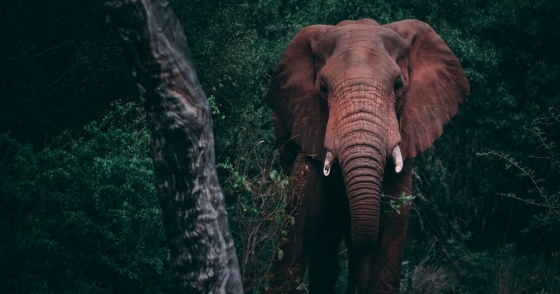 Elephant Haven in Thailand: Kindred Spirit Sanctuary
Explore the Kindred Spirit Elephant Sanctuary in Thailand. Experience hiking, observe elephants in nature, and see the positive impact on the community.