


















 Warm Sea Without Extreme Heat: 8 Beach Destinations With Comfortable Weather
Love warm seawater but not extreme heat? Compare eight beach destinations where the sea stays warm while daytime temperatures remain comfortable.
San Felipe Usila, Oaxaca, Mexico has a consistently comfortable climate year-round, with daytime highs averaging 26°C (79°F). Below you'll find a full monthly breakdown and a comparison with cities worldwide.
The temperature in San Felipe Usila changes very little across the seasons, maintaining a similar climate throughout the year. Maximum daytime temperatures range from a comfortable 22°C (72°F) in January to a comfortable 28°C (82°F) in May. Nighttime lows range from 20°C (68°F) in May to 14°C (57°F) in January.
The chart below illustrates the average maximum day and minimum night temperatures in San Felipe Usila by month:
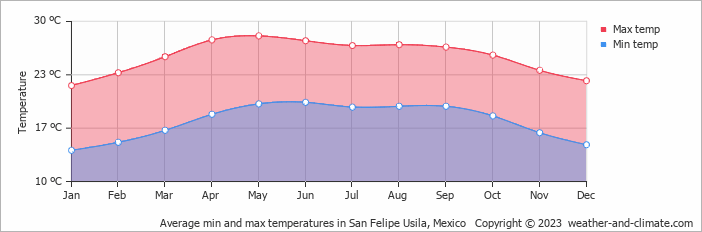
Low temperatures are most often recorded between 4 AM and 6 AM, while highs typically occur around 3 PM.
The chart below shows the average temperature throughout the year:
The map below shows the annual temperature across Mexico. You can also select individual months if you want to compare a specific time of year.
San Felipe Usila's average annual maximum temperature is 26°C (79°F). To put that in context, here's how it compares to a few well-known destinations:
Barcelona, Spain has an annual average of around 21°C (70°F), with warm summers and mild, fairly short winters.
Reykjavík, Iceland averages 9°C (48°F) a year, mild summers by Icelandic standards, but cold winters and frequent wind.
San Francisco, USA averages 19°C (66°F) annually, but with little seasonal variation, summers are often cool and foggy, winters mild.
Adelaide, Australia averages 21°C (70°F) a year, with warm summers, mild winters, and relatively low rainfall year-round.
Climate temperature data is typically calculated as a 30-year average. This smooths out year-to-year variability and gives a more reliable picture of what a place is actually like, rather than what happened in any single unusual year.
The readings come from a range of sources, land-based weather stations, ocean buoys, ships, and satellites. That data is collected by weather services around the world, then pooled, quality-checked, and averaged to produce the climate records you see here.
For cities and regions with significant elevation, altitude is one of the biggest factors shaping local temperatures. As a rule of thumb, temperatures fall by around 6°C for every 1,000 metres gained, so a city at 2,000 metres will typically be around 12°C cooler than a city at sea level in the same region. Higher ground also tends to see more dramatic day-to-night temperature swings, since thinner air loses heat faster after sunset.
For more on San Felipe Usila's weather, including monthly rainfall, sunshine hours, and humidity, visit our San Felipe Usila climate page.
Pick a month to see the average temperature, rainfall and sunshine in San Felipe Usila - and find the best time to visit.
Temperature Rainfall
See the full San Felipe Usila climate overview or explore weather in Mexico.
Where to go in November - average daytime high across popular destinations.
Need travel inspiration? Check out our bucket list articles and be inspired.
Warm Sea Without Extreme Heat: 8 Beach Destinations With Comfortable Weather
Love warm seawater but not extreme heat? Compare eight beach destinations where the sea stays warm while daytime temperatures remain comfortable.

 Best Spring Break Destinations for Great Weather and Fewer Crowds
Skip crowded spring break resorts. Compare March weather and travel style in Puerto Escondido, San Juan del Sur, Roatán, Caye Caulker and Curaçao.
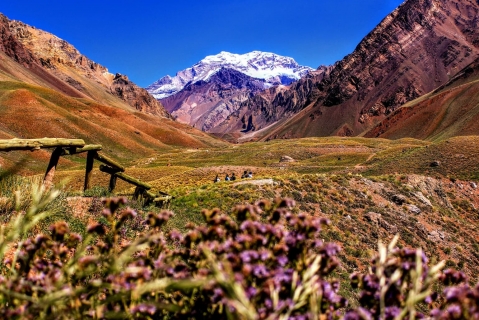
 Warm Days, Cool Nights: 8 Destinations With the Perfect Day-Night Temperature
Prefer warm sunny days but cool evenings? Compare eight destinations with daytime temperatures of around 25–30°C, cooler nights, low rainfall and plenty of sunshine.
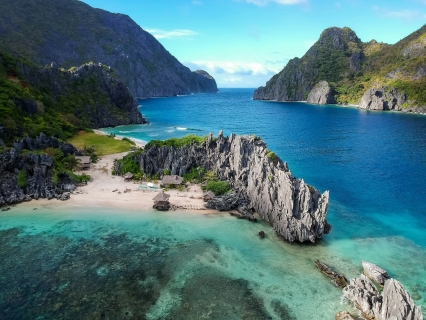
 Where to Travel in July and August: Mexico, Thailand, Indonesia or Somewhere Else?
Compare July and August weather in Mexico, Thailand, Indonesia, Zanzibar and Sri Lanka, using historical climate data for temperature, rainfall and sunshine.