















 Tips, to-do's and nicest restaurants in Mexico City
Mexico City, one of the most famous and notorious cities of the world. The best time to visit is between March and May, but it can be visited year round.
Average temperatures, rainfall, sunshine and the best time to visit Mexico City.
 –
–
Pick a month to see the average temperature, rainfall and sunshine in Mexico City - and find the best time to visit.
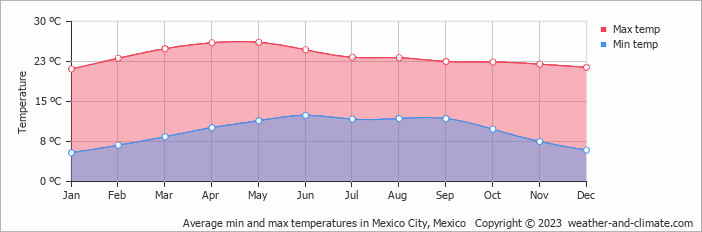
In Mexico City temperatures are generally consistent throughout the year. On average, daytime temperatures range from a comfortable 26°C (79°F) in May to a pleasant 21°C (70°F) in January.
Nighttime temperatures range from 12°C (54°F) in May to 5°C (41°F) in January.
Check out our detailed temperature page for more information.
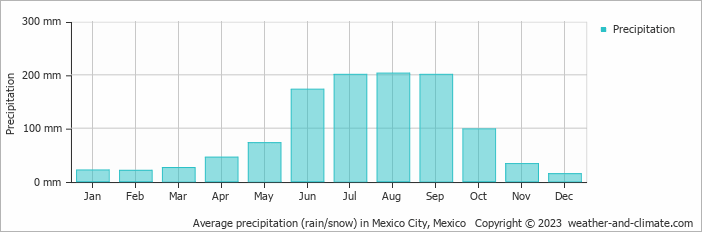
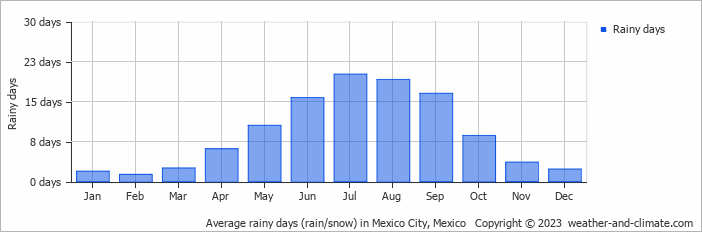
Mexico City experiences significant rainfall throughout the year, averaging 1109 mm (44 in) of precipitation annually. The seasons in Mexico City bring significant changes in precipitation. The wettest month, August, receives heavy rainfall, with an average of 203 mm (8 in) of precipitation. This rainfall is distributed across 19 rainy days.
In contrast, the driest month, December, experiences much less rainfall, totaling 14 mm (0.6 in) over 2 rainy days. These distinct seasonal differences provide diverse experiences throughout the year. For more details, please visit our Mexico City Precipitation page.
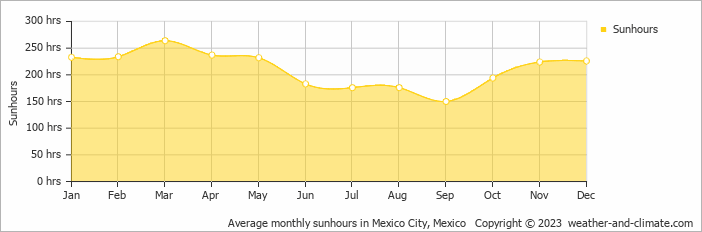
In Mexico City, summer days are longer and more sunny, with daily sunshine hours peaking at 8.8 hours in March. As the darker season arrives, the brightness of the sun becomes less. September sees a soft sun for only 5.0 hours per average day.
Visit our detailed sunshine hours page for more information.
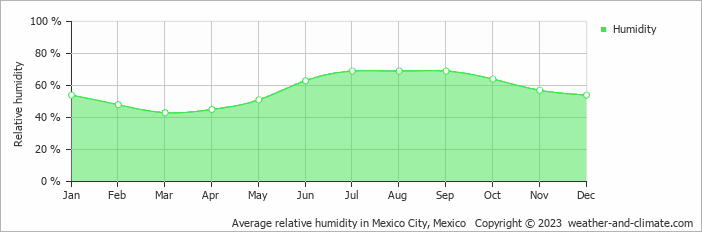
The relative humidity is moderate throughout the year in Mexico City.
The city experiences its highest humidity in July, reaching 69%. In March, the humidity drops to its lowest level at 43%. What does this mean? Read our detailed page on humidity levels for further details.
Monthly ratings reflect general weather comfort, based on daytime temperature and rainfall. Swimming and winter conditions are highlighted separately where relevant.
January, February, March, April, May, October, November and December typically offer the most optimal weather in Mexico City. In contrast, July, August and September tend to have less optimal conditions. Mexico City has distinct dry (November to March) and wet (June to September) seasons.
Daytime highs range from 21°C (70°F) in January to 26°C (79°F) in May. Nighttime lows range from 5°C (41°F) to 12°C (54°F). Temperatures stay relatively stable year-round.
Annual rainfall is around 1109 mm (44 in). August is the wettest month with 203 mm (8 in), while December is the driest with 14 mm (0.6 in).
Mexico City receives around 2,529 hours of sunshine per year. March is the sunniest month with 264 hours, while September is the cloudiest with just 150 hours. Overall, Mexico City enjoys abundant sunshine.
Mexico City is highlighted - select any city to see its climate.
Where to go in September - average daytime high across popular destinations.
Puerto Peñasco34°C (93°F) Los Cabos 32°C (90°F) Tulum31°C (88°F) Cancún30°C (86°F) Playa del Carmen31°C (88°F) Puerto Vallarta29°C (84°F) San Miguel de Allende
 27°C (81°F) Mexico City23°C (73°F)
 Need travel inspiration? Check out our bucket list articles and be inspired.
Tips, to-do's and nicest restaurants in Mexico City
Mexico City, one of the most famous and notorious cities of the world. The best time to visit is between March and May, but it can be visited year round.
 Explore the Majestic Copper Canyons of Mexico
Explore the vast Copper Canyons in Chihuahua, Mexico—larger than the Grand Canyon. Discover scenic train rides, hikes, and the Tarahumara people.
 These are the most beautiful Mayan ruins and Mayan temples in Mexico
Mexico is a destination where you can immerse yourself in ancient cultures and civilizations. In this article we have listed our favorite Mayan ruins.
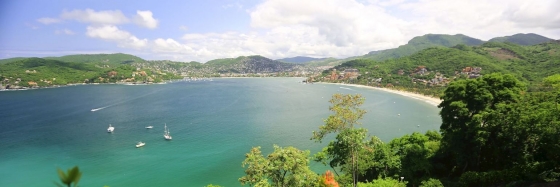 Zihuatanejo: A Pacific paradise with beautiful beaches
Zihuatanejo has some of Mexico's top beaches. Unlike other off-the-beaten-path destinations in Mexico, Zihua is very accessible and sustainable.