


















 Costa Rica in February: Pacific or Caribbean Coast?
Compare Costa Rica weather in February, from dry and sunny Tamarindo to wetter Puerto Viejo, plus Jacó, Arenal and San José.
The average annual maximum temperature in Golfito, Puntarenas, Costa Rica is 28°C (82°F), with little variation between seasons. This page covers monthly averages, day-night differences, and how Golfito compares to cities worldwide.
Golfito enjoys a stable climate with temperatures staying pretty much the same throughout the year. Maximum daytime temperatures range from a comfortable 28°C (82°F) in November to a comfortable 29°C (84°F) in March. Nights are consistently cool, with lows between 23°C (73°F) and 22°C (72°F).
The chart below illustrates the average maximum day and minimum night temperatures in Golfito by month:
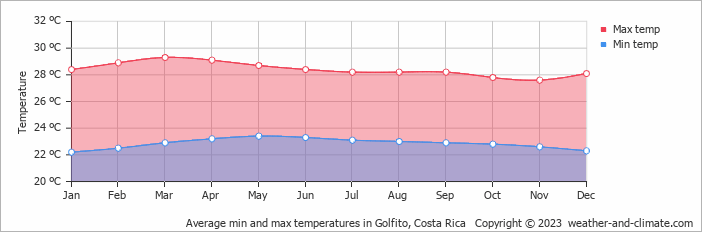
The coldest point of the day usually falls between 4 AM and 6 AM, with temperatures peaking around 3 PM.
The chart below shows the average temperature throughout the year:
The map below shows the annual temperature across Costa Rica. You can also select individual months if you want to compare a specific time of year.
Golfito's average annual maximum temperature is 28°C (82°F). To put that in context, here's how it compares to a few well-known destinations:
Rome, Italy averages 20°C (68°F) annually, with reliably warm summers and comfortable winters.
Zermatt, Switzerland averages just 4°C (39°F) annually due to its altitude, with very cold winters and cool summers even at its warmest.
Seoul, South Korea averages 18°C (64°F) a year, with four clear seasons, cold winters, and hot humid summers.
Perth, Australia averages 25°C (77°F) annually, with a classic Mediterranean climate, hot dry summers and mild wet winters.
Climate temperature data is typically calculated as a 30-year average. This smooths out year-to-year variability and gives a more reliable picture of what a place is actually like, rather than what happened in any single unusual year.
The readings come from a range of sources, land-based weather stations, ocean buoys, ships, and satellites. That data is collected by weather services around the world, then pooled, quality-checked, and averaged to produce the climate records you see here.
Whether a city sits on the coast or deep inland makes a significant difference to its climate. Coastal areas tend to have more stable temperatures year-round, large bodies of water absorb heat slowly in summer and release it gradually in winter, keeping extremes in check. Cities far from the sea don't benefit from that buffer, which is why continental climates tend to have hotter summers and colder winters than their coastal counterparts at the same latitude.
For more on Golfito's weather, including monthly rainfall, sunshine hours, and humidity, visit our Golfito climate page.
Pick a month to see the average temperature, rainfall and sunshine in Golfito - and find the best time to visit.
Temperature Rainfall
See the full Golfito climate overview or explore weather in Costa Rica.
Where to go in October - average daytime high across popular destinations.
Tamarindo 30°C (86°F) Santa Teresa28°C (82°F) Cahuita29°C (84°F) Fortuna28°C (82°F) Puerto Viejo de Talamanca29°C (84°F) Herradura28°C (82°F) Jacó28°C (82°F) San José24°C (75°F)
 Need travel inspiration? Check out our bucket list articles and be inspired.
Costa Rica in February: Pacific or Caribbean Coast?
Compare Costa Rica weather in February, from dry and sunny Tamarindo to wetter Puerto Viejo, plus Jacó, Arenal and San José.
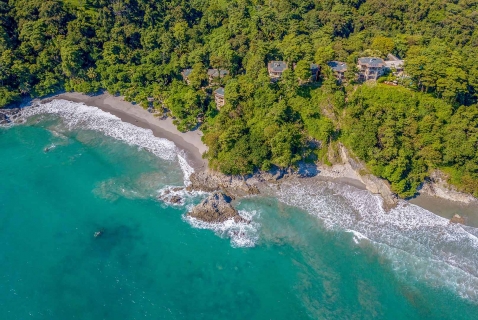 Where the rain forest meets the ocean
I promise that you will not find a better location, better views, nicer rooms or lovelier staff anywhere in Costa Rica. This place really goes above and beyond.
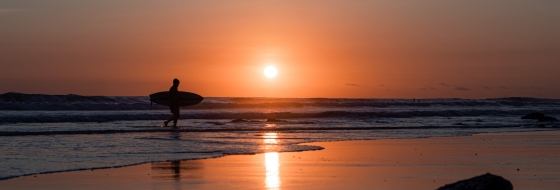 Exploring Santa Teresa, Costa Rica: A Traveler's Guide
Immerse yourself in the laid-back charm of Santa Teresa, Costa Rica. Discover stunning beaches, vibrant dining spots, unique shops, and diverse activities in our comprehensive guide
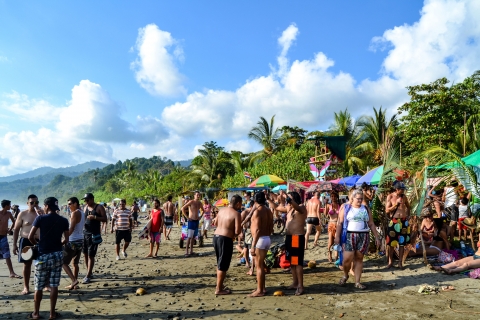 Envision Festival
This event happens once a year in Uvita de Puntarenas and attracts people from all over the world. This festival is a must add to your bucket list.