

















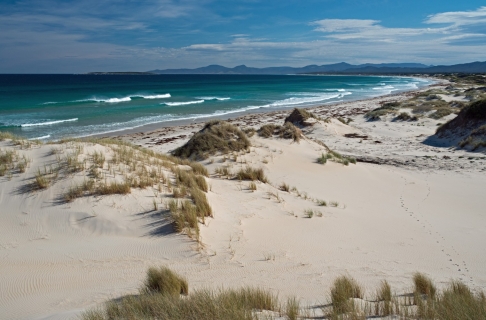
 Visit Tasmania
Tasmania, an amazing rugged and green island you want to visit once in you life. The island state south of Australia is one of the most picturesque islands in the world.
Hobart, Tasmania, Tasmania has an average annual maximum temperature of 17°C (63°F), with moderate seasonal shifts ranging from 13°C (55°F) in July to 23°C (73°F) in January. Below you'll find a full monthly breakdown and a comparison with cities worldwide.
The climate in Hobart experiences moderate temperature changes, with mild shifts between seasons. At night, temperatures range from 12°C (54°F) in January to 5°C (41°F) in July.
The chart below illustrates the average maximum day and minimum night temperatures in Hobart by month:
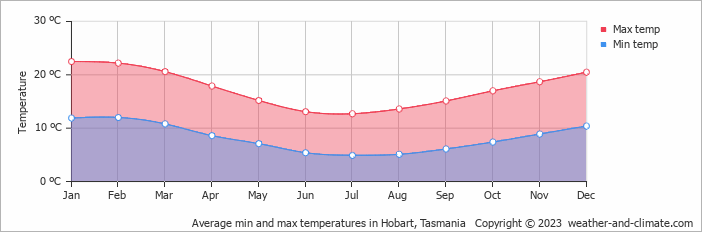
Daily lows are most common between 4 AM and 6 AM. By 3 PM temperatures reach their daily high, driven by peak solar heating. January, the warmest month of the year, receives 251 hours of sunshine.
The chart below shows the average temperature throughout the year:
Average high and low temperatures for each day of the month based on long-term records. 50-year average (1976-2025)
Browse day-by-day temperature records for Hobart spanning 51 years. Select any month and year to see actual high and low temperatures recorded on each day.
The map below shows the annual temperature across Tasmania. You can also select individual months if you want to compare a specific time of year.
Hobart's average annual maximum temperature is 17°C (63°F). To put that in context, here's how it compares to a few well-known destinations:
Seville, Spain averages 23°C (73°F) a year, one of the warmer cities in Western Europe, with long hot summers.
Toronto, Canada averages 13°C (55°F) annually, with cold snowy winters balanced by genuinely warm summers.
Beijing, China averages 20°C (68°F) annually, but with big seasonal swings, very cold winters and hot summers.
Perth, Australia averages 25°C (77°F) annually, with a classic Mediterranean climate, hot dry summers and mild wet winters.
Temperature alone doesn't tell the whole story, humidity plays a big role in how warm or cold it actually feels. High humidity in summer makes the heat feel more intense, particularly once temperatures climb above 25°C. In winter, the same humidity can make cold air feel sharper than the thermometer suggests.
In the cooler months, when temperatures drop below 10°C, high humidity makes the cold feel more cutting than it would in dry conditions.
In Hobart, July is the coolest month, with average highs of 13°C (55°F) and humidity around 61%, considered high. For a full picture, see our humidity page.
Climate temperature data is typically calculated as a 30-year average. This smooths out year-to-year variability and gives a more reliable picture of what a place is actually like, rather than what happened in any single unusual year.
The readings come from a range of sources, land-based weather stations, ocean buoys, ships, and satellites. That data is collected by weather services around the world, then pooled, quality-checked, and averaged to produce the climate records you see here.
Global average temperatures have risen by around 1.2°C since the pre-industrial era, and the effects are visible across many regions. Winters are milder on average, with fewer frost days and less snow in many parts of the world. Heatwaves are more frequent and more intense, and Europe's summers of 2018, 2019, and 2020 all set records.
Summers are also getting drier in some areas, while winter rainfall has increased in others. This contributies to higher river levels and more flooding. In many countries, spring arrives earlier and autumn lasts longer. It has knock-on effects for wildlife, agriculture, and local ecosystems.
For more on Hobart's weather, including monthly rainfall, sunshine hours, and humidity, visit our Hobart climate page.
Pick a month to see the average temperature, rainfall and sunshine in Hobart - and find the best time to visit.
Temperature Rainfall Sunshine Humidity Wind Speed Water Temp
See the full Hobart climate overview or explore weather in Tasmania.
Where to go in October - average daytime high across popular destinations.
Need travel inspiration? Check out our bucket list articles and be inspired.
Visit Tasmania
Tasmania, an amazing rugged and green island you want to visit once in you life. The island state south of Australia is one of the most picturesque islands in the world.
 One of the highlights of Tasmania
 is the world famous Cradle Mountain-Lake St Clair National Park. You walk through rough mountains surrounded by beautiful, peaceful lakes.

 An alternative way to discover Sydney
We have made an overview of the sights in Sydney that you must see if you want to visit Sydney in an alternative way.
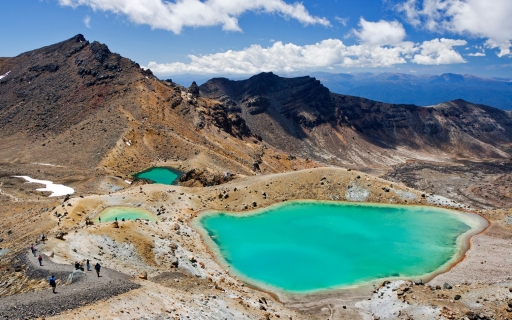
 The Tongariro Crossing in New Zealand
It is called the most beautiful walk in New Zealand, the Tongariro Crossing. The official hiking season starts late October until end of April.