

















 Visit Tasmania
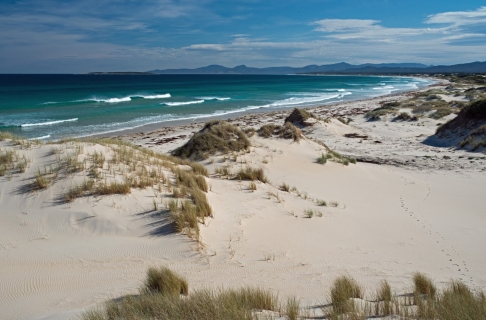
Tasmania, an amazing rugged and green island you want to visit once in you life. The island state south of Australia is one of the most picturesque islands in the world.
Average temperatures, rainfall, sunshine and the best time to visit Queenstown.
 –
–
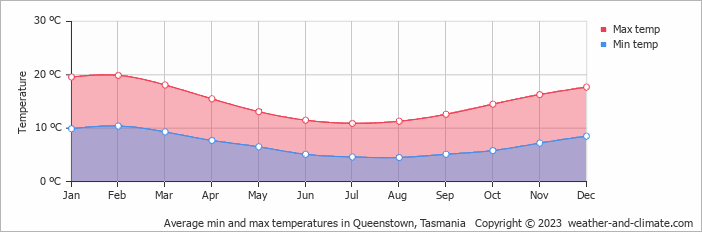
Queenstown, Tasmania, has a moderate seasonal temperature range, with February reaching 20°C (68°F) and July cooling to 11°C (52°F).
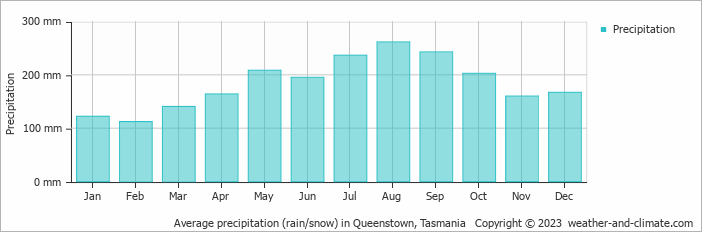
Rainfall is high, totalling around 2212 mm (87 in) per year. August is the wettest month and February the driest. The city also experiences a distinct rainy season from May to October.
Pick a month to see the average temperature, rainfall and sunshine in Queenstown - and find the best time to visit.
In Queenstown, seasonal changes bring about a moderate variation in temperatures. Average maximum daytime temperatures range from a pleasant 20°C (68°F) in February, the warmest time of the year, to a chilly 11°C (52°F) during cooler months like July.
At night, you can expect temperatures ranging from 10°C (50°F) in February to around 5°C (41°F) during July.
Check out our detailed temperature page for more information.
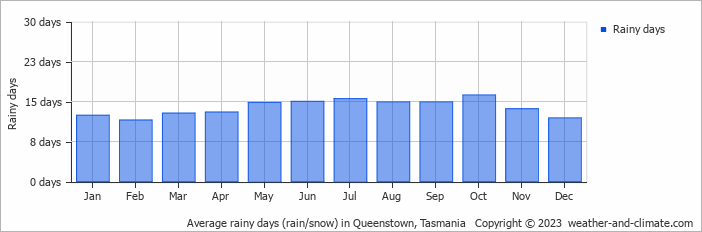
Queenstown is known for its substantial rainfall, with annual precipitation reaching 2212 mm (87 in). Significant seasonal changes in precipitation occur throughout the year. In the wettest month, August it receives heavy rainfall, averaging 262 mm (10 in) of precipitation, recorded across 15 rainy days. In contrast, the driest month February brings less rainfall, with 112 mm (4.4 in) over 12 rainy days. For more details, please visit our Queenstown Precipitation page.
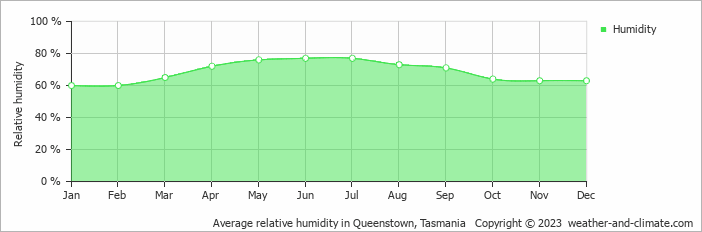
The relative humidity is high throughout the year in Queenstown.
The city experiences its highest humidity in June, reaching 77%. In January, the humidity drops to its lowest level at 60%. What does this mean? Read our detailed page on humidity levels for further details.
Monthly ratings reflect general weather comfort, based on daytime temperature and rainfall. Swimming and winter conditions are highlighted separately where relevant.
January and February typically offer the most optimal weather in Queenstown. In contrast, May, June, July, August, September and October tend to have less optimal conditions. Queenstown has a distinct rainy season from May to October.
Daytime highs range from 11°C (52°F) in July to 20°C (68°F) in February. Nighttime lows range from 5°C (41°F) to 10°C (50°F).
Annual rainfall is around 2212 mm (87 in). August is the wettest month with 262 mm (10 in), while February is the driest with 112 mm (4.4 in).
Queenstown is highlighted - select any city to see its climate.
Where to go in October - average daytime high across popular destinations.
Need travel inspiration? Check out our bucket list articles and be inspired.
Visit Tasmania
Tasmania, an amazing rugged and green island you want to visit once in you life. The island state south of Australia is one of the most picturesque islands in the world.
 One of the highlights of Tasmania
One of the highlights of Tasmania is the world famous Cradle Mountain-Lake St Clair National Park. You walk through rough mountains surrounded by beautiful, peaceful lakes.

 An alternative way to discover Sydney
We have made an overview of the sights in Sydney that you must see if you want to visit Sydney in an alternative way.
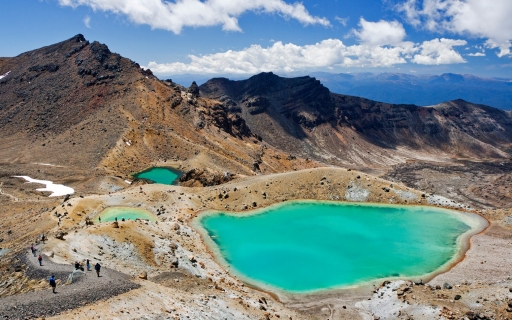
 The Tongariro Crossing in New Zealand
It is called the most beautiful walk in New Zealand, the Tongariro Crossing. The official hiking season starts late October until end of April.