














 Visit the Kamchatka Peninsula
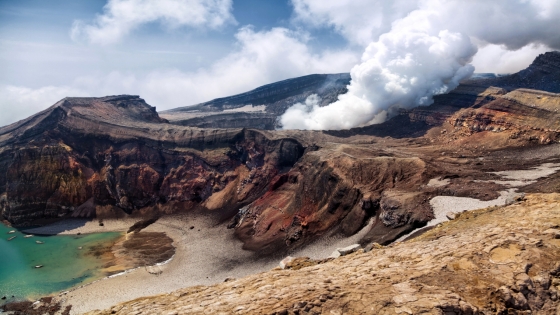
One of the most enchanting areas of Russia is the Kamchatka peninsula. It is how the earth must have looked like in prehistoric times.
To truly understand a climate, we must look at its sunshine. This page shows the total number of hours of direct sunlight per month and the average hours per day in Gorki-Leninskiye, Russia. The numbers reflect climate data gathered over a 30-year period, from 1990 to 2020.
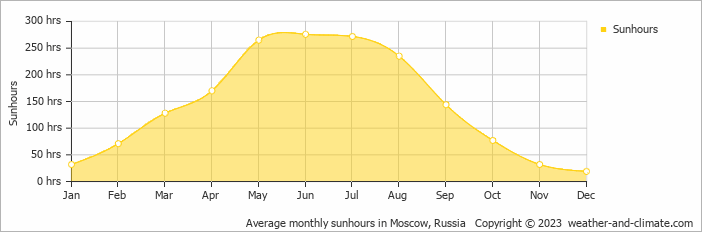
Those who love seasonal contrasts will appreciate Gorki-Leninskiye. Expect long, bright days with 276 hours in June and darker periods with just 19 hours in December. The total annual amount of sun is 1721 hours.
Seasonal changes in sunshine hours are quite obvious in Gorki-Leninskiye. While June receives considerable daily sunshine with up to 9.2 hours, December marks the darkest time of the year, where sunshine is scarce with only 0.6 hours of sunlight per day.
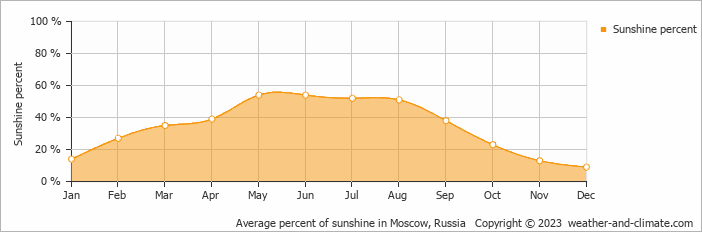
On average the sun shines 54% of the time during the day in May, the highest percentage of any month. December has the lowest percentage at 9%.
Gorki-Leninskiye enjoys an average of 1721 hours of sunshine annually. Let’s compare this with some popular tourist destinations:
Athens, Greece, enjoys 2769 hours of sunshine each year, making it one of the sunniest destinations in the Mediterranean region.
In contrast, Tromsø , Norway, receives only about 1270 hours of sunshine per year, known for the polar night with no sunlight for weeks during winter.
In Chicago, USA, the annual sunshine averages 2520 hours, contributing to its humid continental climate.
Perth, Australia, enjoys 3180 hours of sunshine annually, the highest among major Australian cities.
July, Gorki-Leninskiye’s wettest month, receives 85 mm (3.3 in) of rainfall and has a maximum daytime temperature of 25°C (77°F). During the driest month March you can expect a temperature of 4°C (39°F).
For more detailed insights into the city’s temperatures, check out our Temperature page. To explore more about precipitation patterns, visit our Gorki-Leninskiye Precipitation page.
Pick a month to see the average temperature, rainfall and sunshine in Gorki-Leninskiye - and find the best time to visit.
Temperature Rainfall Sunshine Humidity
See the full Gorki-Leninskiye climate overview or explore weather in Russia.
Where to go in October - average daytime high across popular destinations.
Sochi 20°C (68°F) Adler20°C (68°F) Anapa
 18°C (64°F) Gelendzhik
 18°C (64°F) Moscow
 10°C (50°F) Saint Petersburg9°C (48°F) Kazan9°C (48°F) Yekaterinburg7°C (45°F)
 Need travel inspiration? Check out our bucket list articles and be inspired.
Visit the Kamchatka Peninsula
One of the most enchanting areas of Russia is the Kamchatka peninsula. It is how the earth must have looked like in prehistoric times.
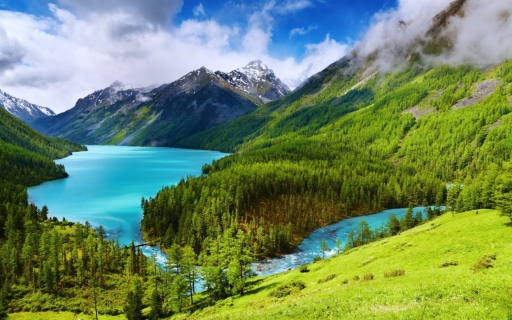 Be amazed by the Altai mountains
The Atlai mountains are a sparsely populated area that most tourists have not yet discovered. Definitely bucket list material for the adventurous travelers among us.
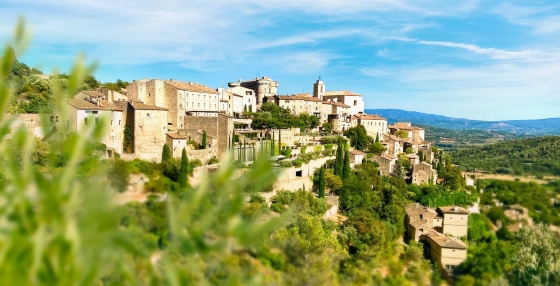
 The 10 most charming villages in France
Discover France's top 10 beautiful villages. From Normandy to the Côte d'Azur, experience quaint squares and cobbled streets. Which one will you visit this summer?
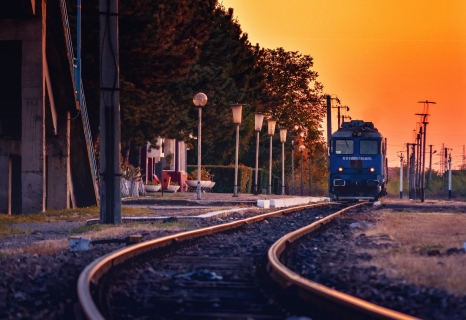
 The train journey from Bucharest to Brasov is one of the most beautiful in Romania
In three hours, you'll get from Bucharest to Brasov by train. It is one of the most beautiful routes in Romania, certainly the most beautiful that can be done by express train.