











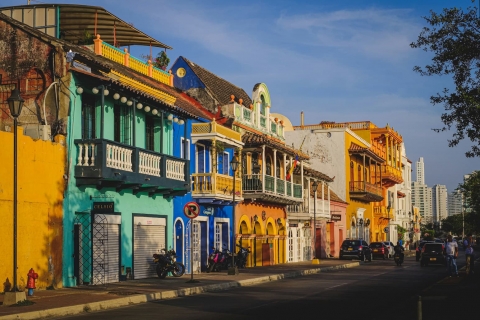
 The 10 most alternative cities in South America
Discover South America's top 10 alternative cities! From Valparaíso's vibrant streets to La Paz's high-altitude charm and Medellín's innovative spirit.
Olivos, Buenos Aires Province, Argentina has an average annual maximum temperature of 22°C (72°F), ranging from 15°C (59°F) in July to 29°C (84°F) in January. Below you'll find a full monthly breakdown and a comparison with cities worldwide.
Depending on the time of the year, temperatures range from warm to mild in Olivos. Nighttime lows follow the same pattern, ranging from 20°C (68°F) to 8°C (46°F).
The chart below illustrates the average maximum day and minimum night temperatures in Olivos by month:

Low temperatures are most often recorded between 4 AM and 6 AM, while highs typically occur around 3 PM. January, the city's warmest month, sees 285 hours of sunshine.
The chart below shows the average temperature throughout the year:
The map below shows the annual temperature across Argentina. You can also select individual months if you want to compare a specific time of year.
Olivos's average annual maximum temperature is 22°C (72°F). To put that in context, here's how it compares to a few well-known destinations:
Barcelona, Spain has an annual average of around 21°C (70°F), with warm summers and mild, fairly short winters.
Glasgow, Scotland averages 13°C (55°F) a year, mild but often grey, with cold winters and rarely hot summers.
Buenos Aires, Argentina averages 23°C (73°F) a year, with hot summers and mild winters, and seasons reversed compared to Europe.
Perth, Australia averages 25°C (77°F) annually, with a classic Mediterranean climate, hot dry summers and mild wet winters.
Temperature alone doesn't tell the whole story, humidity plays a big role in how warm or cold it actually feels. High humidity in summer makes the heat feel more intense, particularly once temperatures climb above 25°C. In winter, the same humidity can make cold air feel sharper than the thermometer suggests.
In Olivos, July is the coolest month, with average highs of 15°C (59°F) and humidity around 79%, considered high. In January, the warmest month, temperatures average 29°C (84°F) with 64% humidity, conditions that feel high. For a full picture, see our humidity page.
Climate temperature data is typically calculated as a 30-year average. This smooths out year-to-year variability and gives a more reliable picture of what a place is actually like, rather than what happened in any single unusual year.
The readings come from a range of sources, land-based weather stations, ocean buoys, ships, and satellites. That data is collected by weather services around the world, then pooled, quality-checked, and averaged to produce the climate records you see here.
For cities and regions with significant elevation, altitude is one of the biggest factors shaping local temperatures. As a rule of thumb, temperatures fall by around 6°C for every 1,000 metres gained, so a city at 2,000 metres will typically be around 12°C cooler than a city at sea level in the same region. Higher ground also tends to see more dramatic day-to-night temperature swings, since thinner air loses heat faster after sunset.
For more on Olivos's weather, including monthly rainfall, sunshine hours, and humidity, visit our Olivos climate page.
Pick a month to see the average temperature, rainfall and sunshine in Olivos - and find the best time to visit.
Temperature Rainfall Sunshine Humidity
See the full Olivos climate overview or explore weather in Argentina.
Where to go in November - average daytime high across popular destinations.
Córdoba 28°C (82°F) Mendoza
 27°C (81°F) Buenos Aires26°C (79°F) Salta
 24°C (75°F) Mar del Plata21°C (70°F) San Martín de los Andes
 15°C (59°F) San Carlos de Bariloche15°C (59°F)
Need travel inspiration? Check out our bucket list articles and be inspired.
The 10 most alternative cities in South America
Discover South America's top 10 alternative cities! From Valparaíso's vibrant streets to La Paz's high-altitude charm and Medellín's innovative spirit.
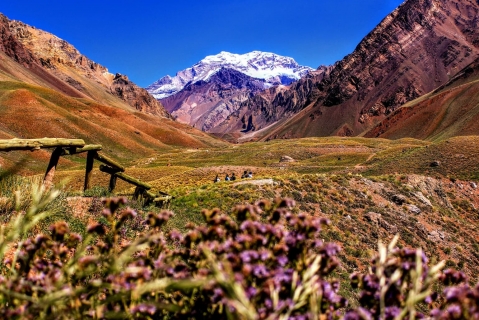 Warm Days, Cool Nights: 8 Destinations With the Perfect Day-Night Temperature
Prefer warm sunny days but cool evenings? Compare eight destinations with daytime temperatures of around 25–30°C, cooler nights, low rainfall and plenty of sunshine.
 Be amazed by Buenos Aires
The city of beautiful museums, cute streets, green parks, lots of good food, interesting local neighborhoods and impressive historical buildings.
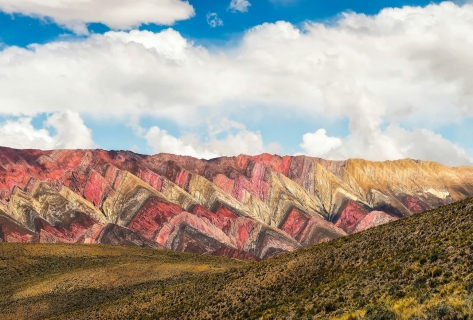 Argentina in November: Where to Go for the Best Weather
Compare November weather in Mendoza, Buenos Aires, Cafayate, Bariloche and Ushuaia to find Argentina's warmest, sunniest and driest places.