













 Visit the Kamchatka Peninsula
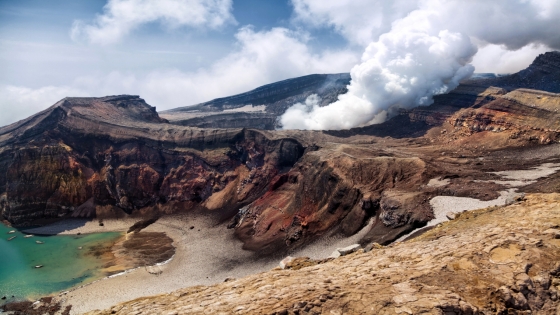
One of the most enchanting areas of Russia is the Kamchatka peninsula. It is how the earth must have looked like in prehistoric times.
Nikola-Lenivets, Kaluga Region, Russia has an average annual maximum temperature of 11°C (52°F), ranging from -3°C (27°F) in January to 25°C (77°F) in July. Below you'll find a full monthly breakdown and a comparison with cities worldwide.
The climate in Nikola-Lenivets is dynamic, ranging widely from very cold in winter to comfortable in summer. Nights are significantly colder, with lows dropping from 14°C (57°F) in July to -10°C (14°F) in January.
The chart below illustrates the average maximum day and minimum night temperatures in Nikola-Lenivets by month:

The coolest part of the day is typically between 4 AM and 6 AM, while 3 PM is usually the warmest, when solar heating is at its peak.
The chart below shows the average temperature throughout the year:
The map below shows the annual temperature across Russia. You can also select individual months if you want to compare a specific time of year.
Nikola-Lenivets's average annual maximum temperature is 11°C (52°F). To put that in context, here's how it compares to a few well-known destinations:
Barcelona, Spain has an annual average of around 21°C (70°F), with warm summers and mild, fairly short winters.
Zermatt, Switzerland averages just 4°C (39°F) annually due to its altitude, with very cold winters and cool summers even at its warmest.
San Francisco, USA averages 19°C (66°F) annually, but with little seasonal variation, summers are often cool and foggy, winters mild.
Melbourne, Australia averages 20°C (68°F) annually, known for unpredictable weather, with four seasons sometimes happening in one day.
Climate temperature data is typically calculated as a 30-year average. This smooths out year-to-year variability and gives a more reliable picture of what a place is actually like, rather than what happened in any single unusual year.
The readings come from a range of sources, land-based weather stations, ocean buoys, ships, and satellites. That data is collected by weather services around the world, then pooled, quality-checked, and averaged to produce the climate records you see here.
Whether a city sits on the coast or deep inland makes a significant difference to its climate. Coastal areas tend to have more stable temperatures year-round, large bodies of water absorb heat slowly in summer and release it gradually in winter, keeping extremes in check. Cities far from the sea don't benefit from that buffer, which is why continental climates tend to have hotter summers and colder winters than their coastal counterparts at the same latitude.
For more on Nikola-Lenivets's weather, including monthly rainfall, sunshine hours, and humidity, visit our Nikola-Lenivets climate page.
Pick a month to see the average temperature, rainfall and sunshine in Nikola-Lenivets - and find the best time to visit.
Temperature Rainfall
See the full Nikola-Lenivets climate overview or explore weather in Russia.
Where to go in October - average daytime high across popular destinations.
Sochi 20°C (68°F) Adler20°C (68°F) Anapa
 18°C (64°F) Gelendzhik
 18°C (64°F) Moscow
 10°C (50°F) Saint Petersburg9°C (48°F) Kazan9°C (48°F) Yekaterinburg7°C (45°F)
 Need travel inspiration? Check out our bucket list articles and be inspired.
Visit the Kamchatka Peninsula
One of the most enchanting areas of Russia is the Kamchatka peninsula. It is how the earth must have looked like in prehistoric times.
 Be amazed by the Altai mountains
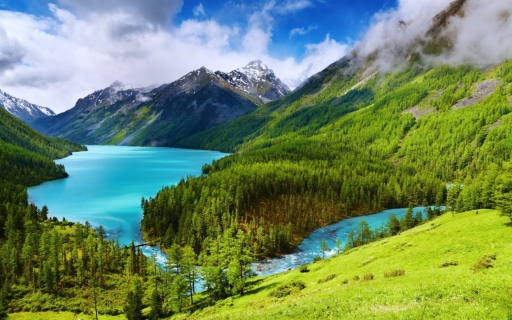
The Atlai mountains are a sparsely populated area that most tourists have not yet discovered. Definitely bucket list material for the adventurous travelers among us.

 The 10 most charming villages in France
Discover France's top 10 beautiful villages. From Normandy to the Côte d'Azur, experience quaint squares and cobbled streets. Which one will you visit this summer?
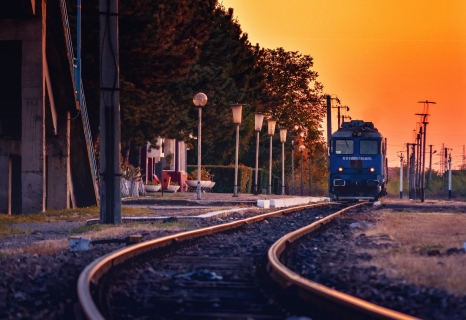
 The train journey from Bucharest to Brasov is one of the most beautiful in Romania
In three hours, you'll get from Bucharest to Brasov by train. It is one of the most beautiful routes in Romania, certainly the most beautiful that can be done by express train.