















 Where to Go for Christmas: Sun, Value and Fewer Crowds
Where can you find warm Christmas weather without peak-season prices and huge crowds? Compare Marsa Alam, The Gambia, Vietnam, Agadir and Cap Skirring.
Average temperatures, rainfall, sunshine and the best time to visit Taba.
 –
–
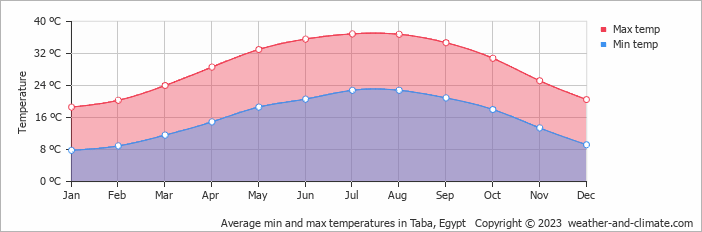
Taba, South Sinai, Egypt, experiences significant temperature variation throughout the year. Summers bring daytime highs of 37°C (99°F) in July, while winters cool to 19°C (66°F) in January.
The city has an arid climate, receiving only 39 mm (1.5 in) of rainfall per year. July is the sunniest month, averaging 11.6 hours of sunshine per day.
Pick a month to see the average temperature, rainfall and sunshine in Taba - and find the best time to visit.
Depending on the time of the year, temperatures range from very hot to pleasant in Taba. On average, daytime temperatures range from a very hot 37°C (99°F) in July to a pleasant 19°C (66°F) in January.
Nighttime temperatures range from 23°C (73°F) in July to 8°C (46°F) in January.
Check out our detailed temperature page for more information.
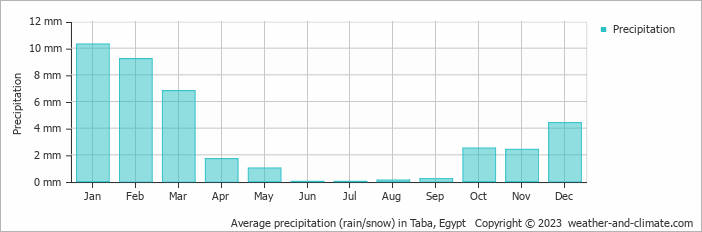
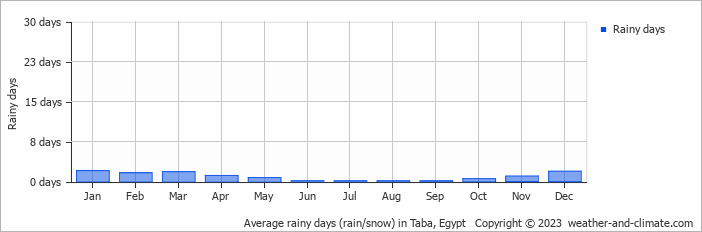
Taba has a dry climate with very low precipitation, averaging 39 mm (1.5 in) of rainfall annually. The wettest period in Taba occurs in January, which receives around 10 mm (0.4 in) of precipitation. During the driest month, June, Taba experiences almost no rainfall, totaling 0 mm (0 in). The consistent precipitation levels throughout the year contribute to a relatively stable climate. For more details, please visit our Taba Precipitation page.
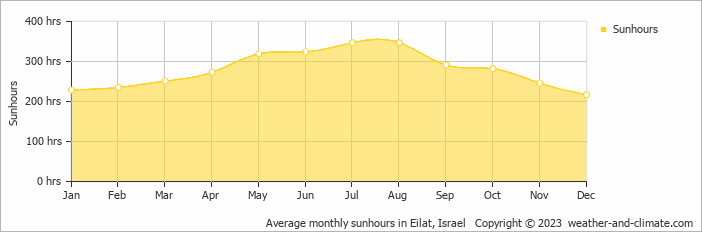
Taba enjoys sunny spells year-round. July sees up to 11.6 hours of daily sunshine, perfect for a sunny trip. December, the least sunny month, still offers a generous 7.2 hours of sun despite this cloudier time of the year.
Visit our detailed sunshine hours page for more information.
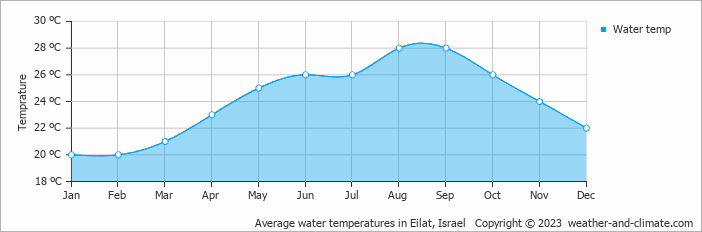
The mean water temperature over the year ranges from 20°C (68°F) in January to 28°C (82°F) in August.
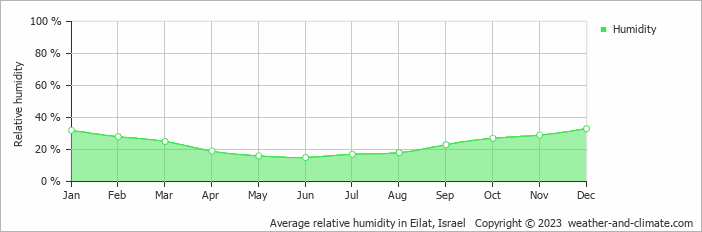
The relative humidity is low throughout the year in Taba.
The city experiences its highest humidity in December, reaching 33%. In June, the humidity drops to its lowest level at 15%. What does this mean? Read our detailed page on humidity levels for further details.
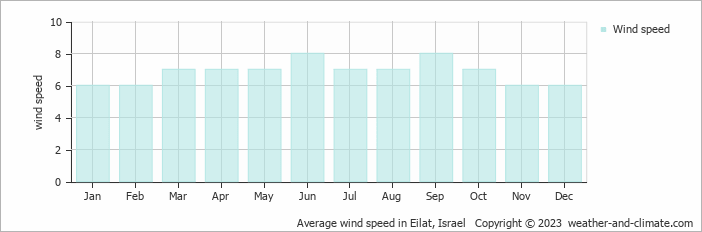
The mean wind speed varies between 6 m/s (12 knots) and 8 m/s (16 knots) throughout the year. It is lowest in January, February, November and December and highest during June and September. What does this mean?
Monthly ratings reflect general weather comfort, based on daytime temperature and rainfall. Swimming and winter conditions are highlighted separately where relevant.
January, February, March, April, November and December typically offer the most optimal weather in Taba. In contrast, June, July, August and September tend to have less optimal conditions. Taba has very little rainfall year-round, with very hot summers and pleasant winters.
Daytime highs range from 19°C (66°F) in January to 37°C (99°F) in July. Nighttime lows range from 8°C (46°F) to 23°C (73°F). Temperatures vary considerably through the year.
Annual rainfall is around 39 mm (1.5 in). January is the wettest month with 10 mm (0.4 in), while June is the driest with 0 mm (0 in).
Taba receives around 3,361 hours of sunshine per year. July is the sunniest month with 347 hours, while December is the cloudiest with just 217 hours. Overall, Taba enjoys abundant sunshine.
Taba is highlighted - select any city to see its climate.
Where to go in October - average daytime high across popular destinations.
Need travel inspiration? Check out our bucket list articles and be inspired.
Where to Go for Christmas: Sun, Value and Fewer Crowds
Where can you find warm Christmas weather without peak-season prices and huge crowds? Compare Marsa Alam, The Gambia, Vietnam, Agadir and Cap Skirring.
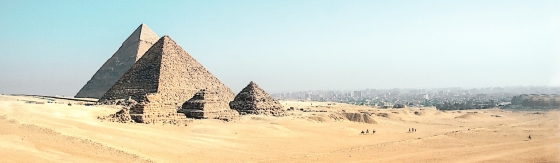 The Pyramids of Giza are impressive and absolutely worth a visit
The pyramids are considered to be one of the seven wonders of the world in ancient times and they are the only one that still exist and can be visited today.
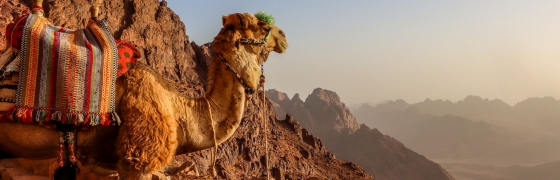 The Sinai Peninsula: Nowhere on earth is as quiet as this place
The Sinai Peninsula has an extraordinary and enchanting landscape. The peace and space in this region is overwhelming. Nowhere on earth is as quiet as this place.
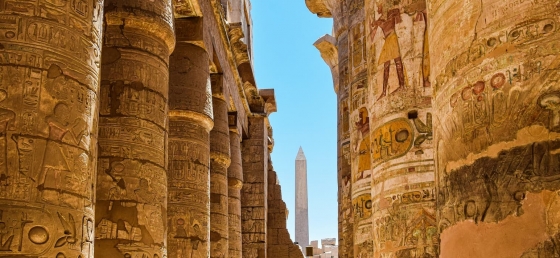 The Timeless Wonders of Luxor
Discover Luxor’s ancient marvels, from the grand Karnak temple and royal tombs of Thebes to the historic charm of the Old Winter Palace.