













 The 10 best wildlife viewing sites in Kenya
Explore Kenya's top 10 safari parks in this guide, featuring the Maasai Mara, Amboseli, and more, for a spectacular wildlife adventure
Average temperatures, rainfall, sunshine and the best time to visit Mombasa.
 –
10-day forecastForecast
With consistently stable weather, Mombasa, Coast Province, Kenya, sees little seasonal temperature change. Daytime highs average 30°C (86°F), ranging from 33°C (91°F) in February to 28°C (82°F) in July.
Mombasa sees a moderate amount of rainfall, totalling around 991 mm (39 in) per year. It experiences a distinct dry season from January to February, creating some seasonal variation. The most sunshine falls in October, with an average of 9.2 hours of daily sunshine.
Pick a month to see the average temperature, rainfall and sunshine in Mombasa - and find the best time to visit.
The climate in Mombasa remains fairly constant, offering very warm temperatures throughout the year. Average maximum daytime temperatures range from a very warm 33°C (91°F) in February, the warmest time of the year, to a comfortable 28°C (82°F) during cooler months like July.
At night, you can expect temperatures ranging from 26°C (79°F) in February to around 22°C (72°F) during July.
Check out our detailed temperature page for more information.

Generally, Mombasa experiences moderate precipitation patterns, averaging 991 mm (39 in) yearly. Significant seasonal changes in precipitation occur throughout the year. In the wettest month, May it receives heavy rainfall, averaging 206 mm (8.1 in) of precipitation, recorded across 19 rainy days. In contrast, the driest month February brings less rainfall, with 23 mm (0.9 in) over 3 rainy days. For more details, please visit our Mombasa Precipitation page.


While the amount of sunshine in Mombasa varies throughout the year, all seasons offer their own charm. Enjoy up to 9.2 hours of daily sun in October, and experience slightly darker atmosphere in May, with about 6.7 hours of daily sunlight.
Visit our detailed sunshine hours page for more information.

The mean water temperature over the year ranges from 25°C (77°F) in July to 28°C (82°F) in February.

The relative humidity is high throughout the year in Mombasa.
The city experiences its highest humidity in November, reaching 82%. In February, the humidity drops to its lowest level at 75%. What does this mean? Read our detailed page on humidity levels for further details.

The average wind speed over the year ranges from 3 m/s (6 knots) to 5 m/s (10 knots). It is lower in November and higher in May and June. What does this mean?

Monthly ratings reflect general weather comfort, based on daytime temperature and rainfall. Swimming and winter conditions are highlighted separately where relevant.
June, July, August and September typically offer the most optimal weather in Mombasa. In contrast, May tends to have less optimal conditions. Mombasa has a distinct dry season from January to February.
Daytime highs range from 28°C (82°F) in July to 33°C (91°F) in February. Nighttime lows range from 22°C (72°F) to 26°C (79°F). Temperatures stay relatively stable year-round.
Annual rainfall is around 991 mm (39 in). May is the wettest month with 206 mm (8.1 in), while February is the driest with 23 mm (0.9 in).
Mombasa receives around 2,936 hours of sunshine per year. October is the sunniest month with 275 hours, while May is the cloudiest with just 202 hours. Overall, Mombasa enjoys abundant sunshine.
Mombasa is highlighted - select any city to see its climate.
Where to go in October - average daytime high across popular destinations.
Mombasa 30°C (86°F) Diani Beach29°C (84°F) Watamu29°C (84°F) Malindi29°C (84°F) Kisumu
 27°C (81°F) Nairobi
 27°C (81°F) Nakuru
 25°C (77°F) Naivasha22°C (72°F)
Need travel inspiration? Check out our bucket list articles and be inspired.
The 10 best wildlife viewing sites in Kenya
Explore Kenya's top 10 safari parks in this guide, featuring the Maasai Mara, Amboseli, and more, for a spectacular wildlife adventure
 Not on the map - Yoga Teacher Training in Kenya
A yoga training with the rawness of mother Africa. In a place so untouched we really are walking on the same earth elephants roamed not so long ago.
 Tsavo National Park in Kenia
From mid-July to September and December to mid-March are the best months to visit both Tsavo National Parks. This park is a must see. The park is mountainous and green.
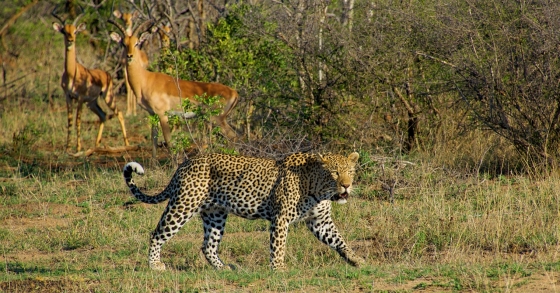
 Visit Kruger Park in South Africa
Are you going to South Africa, then you cannot skip the Kruger Park. The Kruger Park is one of the most beautiful and largest safari parks in the world.