














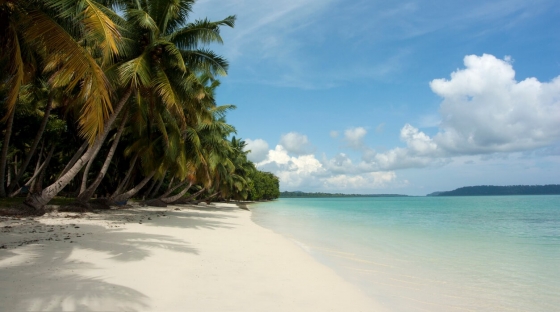
 A paradise called Andaman Islands
Though officially Indian, the Andamans are nearer Myanmar, Indonesia, and Thailand, resulting in amazing, budget-friendly white-sand beaches.
This page shows both the average monthly rainfall and the number of rainy days in Naya Bāzār, Sikkim, India. The figures are based on a 30-year period (1990–2020) to provide a reliable average. Let's now guide you through the details for a complete overview.
Naya Bāzār experiences significant rainfall throughout the year, averaging 4280 mm (169 in) of precipitation annually. However, this abundant rainfall is not evenly distributed, with a distinct rainy season during certain months. You can clearly see this in our monthly precipitation graphs below.
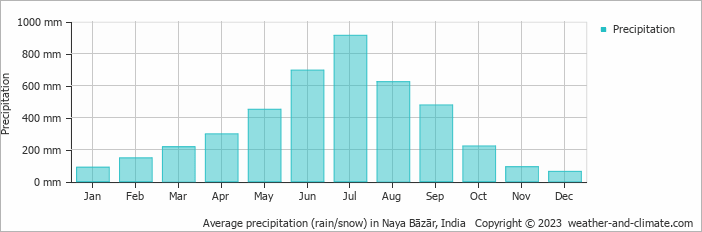
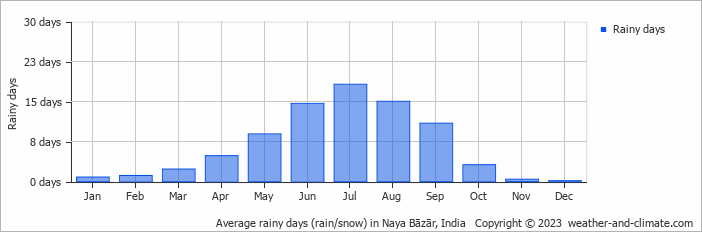
Significant seasonal changes in precipitation occur throughout the year. During the wettest month, July receives substantial rainfall, averaging 913 mm (36 in) of precipitation, recorded across 18 rainy days.
In contrast, the driest month, December brings less rainfall, with 62 mm (2.4 in) over 0 rainy days.
July, the wettest month, has a maximum daytime temperature of 25°C (77°F). The city receives 79 hours of sunshine in this period. During the driest month December you can expect a temperature of 17°C (63°F). For more detailed insights into the city's temperatures, visit our Naya Bāzār Temperature page.
The map below shows the annual precipitation across India. You can also select the different months in case you are interested in a specific month.
Naya Bāzār's average annual precipitation is 4280 mm (169 in). Let's compare this to some popular worldwide tourist destinations:
Boston, USA, experiences 1238 mm (49 in) of annual precipitation, including significant snowfall during the winter.
In Seoul, South Korea, the average annual precipitation is 1237 mm (49 in), with most rain falling during the summer monsoon season.
In Tokyo, Japan, the average annual precipitation is 1528 mm (60 in), with significant summer rains due to typhoon season.
Singapore, situated near the equator, gets 2581 mm (102 in) of rainfall annually, with no distinct dry season and consistent monthly precipitation.
Precipitation amounts are measured using specific gauges installed at weather stations, collecting both rain and snow and any other type of precipitation. Rainfall is measured directly in millimeters, while that from snow and ice is obtained by melting it. Automated systems often incorporate heaters to make this easier.
Information from these stations is transmitted via Wi-Fi, satellite, GPS, or telephone connections to central monitoring networks. This information is immediately updated and integrated into weather models and forecasts.
For more detailed information about Naya Bāzār's weather, including sunshine hours, humidity levels, and temperature data, visit our Naya Bāzār Climate page.
Pick a month to see the average temperature, rainfall and sunshine in Naya Bāzār - and find the best time to visit.
Temperature Rainfall Sunshine Humidity
See the full Naya Bāzār climate overview or explore weather in India.
Where to go in October - average daytime high across popular destinations.
New Delhi 34°C (93°F) Gurugram
 34°C (93°F) Jaipur35°C (95°F) Mumbai
 32°C (90°F) Hyderabad31°C (88°F) Chennai
 32°C (90°F) Bengaluru
 29°C (84°F) Kochi29°C (84°F)
 Need travel inspiration? Check out our bucket list articles and be inspired.
A paradise called Andaman Islands
Though officially Indian, the Andamans are nearer Myanmar, Indonesia, and Thailand, resulting in amazing, budget-friendly white-sand beaches.
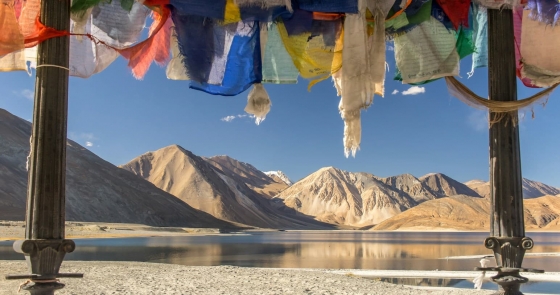 The 5 most beautiful monasteries in Ladakh
Explore Ladakh's spiritual essence through its incredible Buddhist monasteries. See architectural wonders, rich traditions, and serene landscapes in this guide.
 Sleeping under the stars and riding camels in Rajasthan
A desert safari in Jaisalmer is definitely one of the highlights during a visit to India. Spending a night in the desert is a great adventurous bucket list experience.
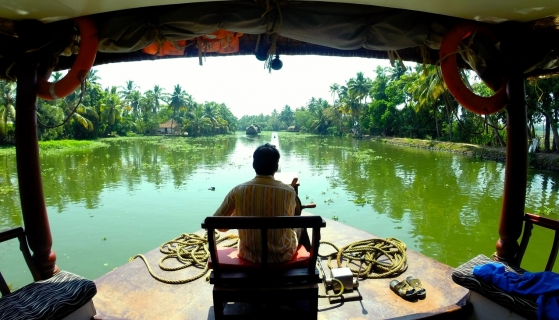 Avoid mass tourism on an eco boat in the backwaters of Kerala
We can tell you now how you can avoid being surrounded by tourists and at the same time minimize your impact on the environment.