















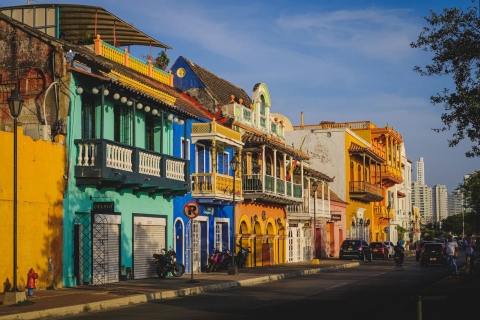
 The 10 most alternative cities in South America
Discover South America's top 10 alternative cities! From Valparaíso's vibrant streets to La Paz's high-altitude charm and Medellín's innovative spirit.
This page shows both the average monthly rainfall and the number of rainy days in Fusagasuga, Cundinamarca, Colombia. These values are calculated using 30 years of data (1990–2020) to ensure accuracy. Let's now guide you through the details for a complete overview.
Fusagasuga experiences significant rainfall throughout the year, averaging 6859 mm (270 in) of precipitation annually.
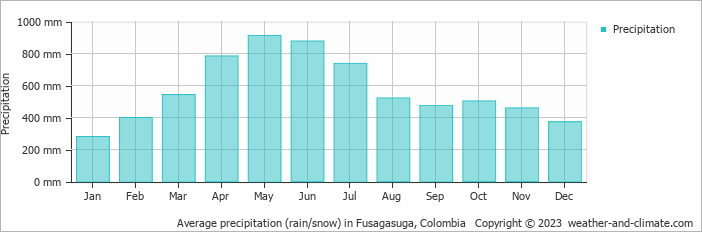
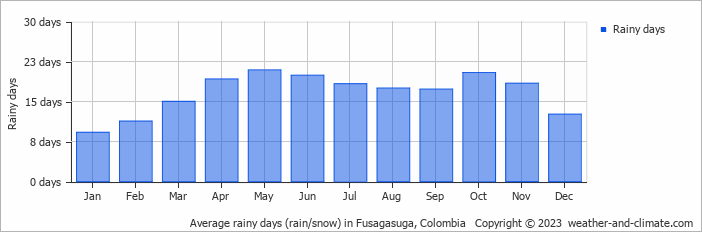
The seasons in Fusagasuga, bring significant changes in precipitation. The wettest month, May, receives heavy rainfall, with an average of 912 mm (36 in) of precipitation. This rainfall is distributed across 21 rainy days.
In contrast, the driest month, January, experiences much less rainfall, totaling 280 mm (11 in) over 9 rainy days. These distinct seasonal differences provide diverse experiences throughout the year.May, the wettest month, has a maximum daytime temperature of 21°C (70°F). The city receives 83 hours of sunshine in this period. During the driest month January you can expect a temperature of 22°C (72°F). For more detailed insights into the city's temperatures, visit our Fusagasuga Temperature page.
The map below shows the annual precipitation across Colombia. You can also select the different months in case you are interested in a specific month.
Fusagasuga's average annual precipitation is 6859 mm (270 in). Let's compare this to some popular worldwide tourist destinations:
The city of Rome, Italy, has an average annual precipitation of 832 mm (33 in), spread fairly evenly throughout the year.
Osaka, Japan, experiences 1507 mm (59 in) of rainfall annually, spread across the year with wetter summers.
Melbourne, Australia, has 690 mm (27 in) of rainfall annually, spread fairly evenly throughout the year.
Ho Chi Minh City, Vietnam, receives 1955 mm (77 in) of annual rainfall, with a pronounced wet season from May to November, typical of its tropical monsoon climate.
Precipitation amounts are measured using specific gauges installed at weather stations, collecting both rain and snow and any other type of precipitation. Rainfall is measured directly in millimeters, while that from snow and ice is obtained by melting it. Automated systems often incorporate heaters to make this easier.
Information from these stations is transmitted via Wi-Fi, satellite, GPS, or telephone connections to central monitoring networks. This information is immediately updated and integrated into weather models and forecasts.
Tropical Rainforests: In tropical regions, rainfall is generally abundant year-round. Areas near the equator, like the Amazon rainforest, can receive up to 3000 mm (118 in) of rain annually.
Desert Regions: Deserts such as the Sahara and Arabian deserts typically see less than 250 mm (9.8 in) of rainfall annually. Rainfall tends to be infrequent, but when it does occur, it is often intense.
Temperate Zones: In temperate regions, precipitation tends to be more evenly distributed, though areas closer to the ocean may see more rain in the winter months, and areas further inland experience drier summers.
Polar Regions: Precipitation in polar regions, like Antarctica, is extremely low, often falling as snow. Average annual precipitation in Antarctica is less than 200 mm (7.9 in), with some areas receiving as little as 50 mm (2 in) annually.
For more detailed information about Fusagasuga's weather, including sunshine hours, humidity levels, and temperature data, visit our Fusagasuga Climate page.
Pick a month to see the average temperature, rainfall and sunshine in Fusagasuga - and find the best time to visit.
Temperature Rainfall Sunshine Humidity
See the full Fusagasuga climate overview or explore weather in Colombia.
Where to go in September - average daytime high across popular destinations.
 Cartagena
 31°C (88°F) Santa Marta29°C (84°F) San Andrés30°C (86°F) Cali27°C (81°F) Medellín25°C (77°F) Pereira24°C (75°F) Bogotá
 21°C (70°F) Villa de Leyva
 21°C (70°F)
 Need travel inspiration? Check out our bucket list articles and be inspired.
The 10 most alternative cities in South America
Discover South America's top 10 alternative cities! From Valparaíso's vibrant streets to La Paz's high-altitude charm and Medellín's innovative spirit.
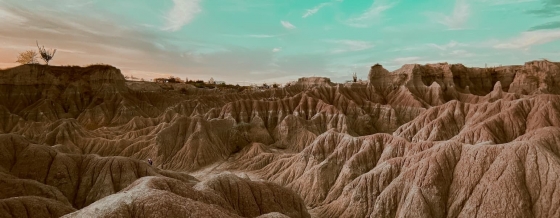 5 Hidden Gems in Colombia
Explore Colombia's hidden gems, from El Cocuy's remote beauty to Providencia's serene beaches, offering authentic experiences off the beaten path.
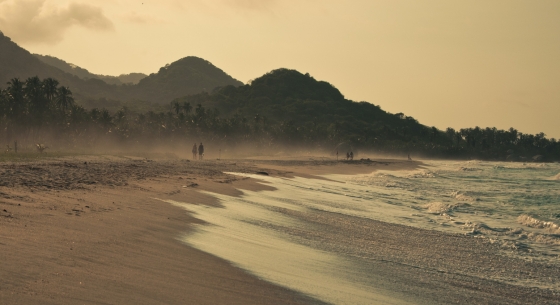 Tayrona National Park: the most beautiful part of Colombia
Visit the park between the months December and March (not February since it is closed) or from June till August (this is high season).
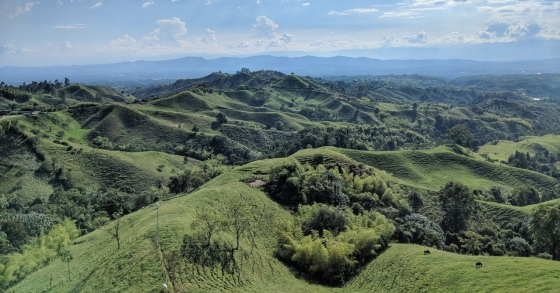 Breathtaking view in Minca
Minca is a tiny village in the tropical rain forest of Colombia and is an oasis of tranquility. Everyone looking for a relatively undiscovered piece of Colombia is in the right place here.