













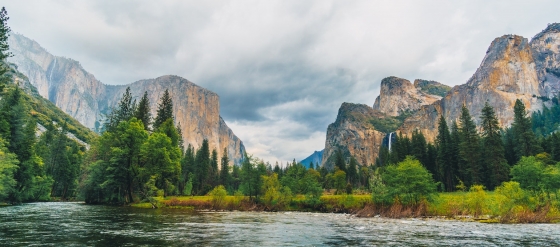
 Yosemite National Park is definitely worth a visit
Vast forests, blue lakes, towering sequoias, and majestic waterfalls hint at the beauty of Yosemite National Park—a true natural masterpiece.
This page shows both the average monthly rainfall and the number of rainy days in Angel Fire, New Mexico, United States of America. This average is based on long-term data collected between 1990 and 2020. Let's explore the details to provide you with a complete overview.
On average, Angel Fire receives a reasonable amount of rain/snowfall, with an annual precipitation of 537 mm (21 in). Despite this overall moderate level, the city experiences distinct dry season during certain months throughout the year, as illustrated in the precipitation charts below.


Significant seasonal changes in precipitation occur throughout the year. During the wettest month, July receives substantial rainfall, averaging 85 mm (3.3 in) of precipitation, recorded across 20 rainy days.
In contrast, the driest month, November brings less snow/rainfall, with 23 mm (0.9 in) over 7 snowy/rainy days.
July, the wettest month, has a maximum daytime temperature of 24°C (75°F). During the driest month November you can expect a temperature of 8°C (46°F). For more detailed insights into the city's temperatures, visit our Angel Fire Temperature page.
The map below shows the annual precipitation across the United States of America. You can also select the different months in case you are interested in a specific month.
Angel Fire's average annual precipitation is 537 mm (21 in). Let's compare this to some popular worldwide tourist destinations:
In Lisbon, Portugal, the average annual precipitation is 774 mm (30 in), characterized by wet winters and dry summers typical of the Mediterranean climate.
Meanwhile, Buenos Aires, Argentina, enjoys a humid subtropical climate with 1000 mm (39 in) of annual rainfall, mostly in the summer.
Melbourne, Australia, has 690 mm (27 in) of rainfall annually, spread fairly evenly throughout the year.
Bangkok, Thailand, experiences a tropical monsoon climate with 1668 mm (66 in) of annual rainfall, with the heaviest precipitation occurring during September and October.
Precipitation amounts are measured using specific gauges installed at weather stations, collecting both rain and snow and any other type of precipitation. Rainfall is measured directly in millimeters, while that from snow and ice is obtained by melting it. Automated systems often incorporate heaters to make this easier.
Information from these stations is transmitted via Wi-Fi, satellite, GPS, or telephone connections to central monitoring networks. This information is immediately updated and integrated into weather models and forecasts.
For more detailed information about Angel Fire (NM)'s weather, including sunshine hours, humidity levels, and temperature data, visit our Angel Fire (NM) Climate page.
Pick a month to see the average temperature, rainfall and sunshine in Angel Fire - and find the best time to visit.
Temperature Rainfall
See the full Angel Fire climate overview or explore weather in the United States of America.
Where to go in November - average daytime high across popular destinations.
Miami Beach 27°C (81°F) Orlando
 25°C (77°F) Kissimmee26°C (79°F) Destin21°C (70°F) Los Angeles22°C (72°F) Big Bear Lake14°C (57°F) New York City
 13°C (55°F)
Need travel inspiration? Check out our bucket list articles and be inspired.
Yosemite National Park is definitely worth a visit
Vast forests, blue lakes, towering sequoias, and majestic waterfalls hint at the beauty of Yosemite National Park—a true natural masterpiece.
 The 10 most alternative cities in the United States
Discover the top 10 fun and alternative U.S. cities rich in art, culture, and adventure. From Portland's hippy charm to Sedona's stunning landscapes.
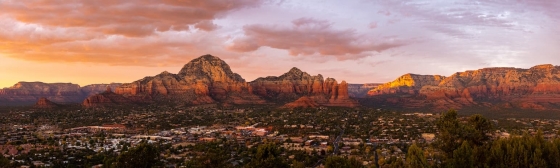 Sedona: Explore Majestic Red Rock Landscapes
A picturesque artists' town surrounded by red rocks and known for its spirituality, vortex energy, and stunning hikes like Cathedral Rock.
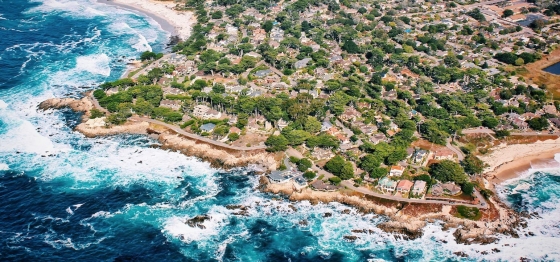 10 most idyllic villages to visit in the United States
Discover 10 idyllic villages in the USA, from California to Vermont. Explore their unique charm, rich history, stunning nature, and vibrant arts scenes.