

















 7 of the most budget-friendly destinations in Europe
Discover Europe's top budget-friendly destinations including Budapest, Kotor, Krakow, and more, perfect for affordable and exciting travel.
When exploring climate, sunlight hours tell an important story. This page shows the total number of hours of direct sunlight per month and the average hours per day in Serpa, Alentejo, Portugal. This average is based on long-term data collected between 1990 and 2020.
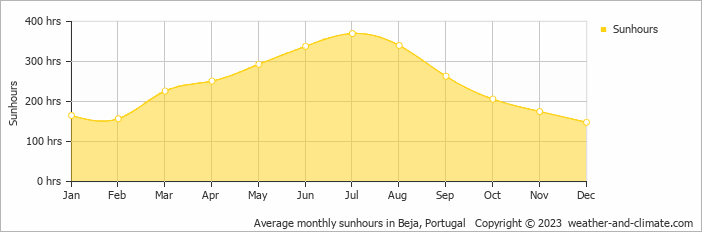
Sunshine in Serpa varies greatly throughout the year. The sunniest month, July, reaches an impressive 370 hours, while December, the darkest month, offers only 148 hours. The total annual amount of sun is 2932 hours.
This means the city can be enjoyed more throughout the sunniest month of July under a blue sky, with approximately 12.3 hours of sunshine daily. In contrast, the city experiences much darker days in December, with only 4.9 hours of sunlight per day.
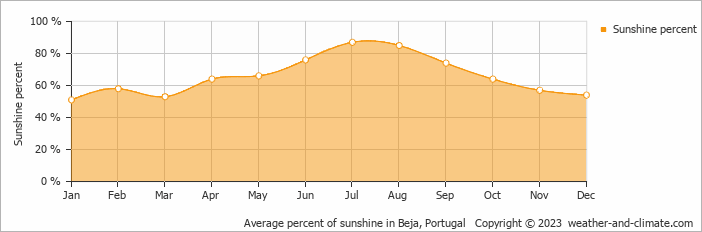
On average the sun shines 87% of the time during the day in July, the highest percentage of any month. January has the lowest percentage at 51%.
Serpa enjoys an average of 2932 hours of sunshine annually. Let’s compare this with some popular tourist destinations:
The city of Rome, Italy, experiences 2470 hours of sunshine annually, adding to its charm as a year-round tourist destination.
In contrast, Juneau, Alaska, receives only about 1523 hours of sunshine per year and is known for its very short days in winter and frequently overcast conditions.
In Seoul, South Korea, there are approximately 2133 hours of sunshine per year, mostly during spring and autumn.
Perth, Australia, enjoys 3180 hours of sunshine annually, the highest among major Australian cities.
October, Serpa’s wettest month, receives 2.2 mm (0.1 in) of rainfall and has a maximum daytime temperature of 25°C (77°F). During the driest month July you can expect a temperature of 34°C (93°F).
For more detailed insights into the city’s temperatures, check out our Temperature page. To explore more about precipitation patterns, visit our Serpa Precipitation page.
Pick a month to see the average temperature, rainfall and sunshine in Serpa - and find the best time to visit.
Temperature Rainfall Sunshine Humidity Wind Speed
See the full Serpa climate overview or explore weather in Portugal.
Where to go in September - average daytime high across popular destinations.
Need travel inspiration? Check out our bucket list articles and be inspired.
7 of the most budget-friendly destinations in Europe
Discover Europe's top budget-friendly destinations including Budapest, Kotor, Krakow, and more, perfect for affordable and exciting travel.
 Warm Sea Without Extreme Heat: 8 Beach Destinations With Comfortable Weather
Love warm seawater but not extreme heat? Compare eight beach destinations where the sea stays warm while daytime temperatures remain comfortable.
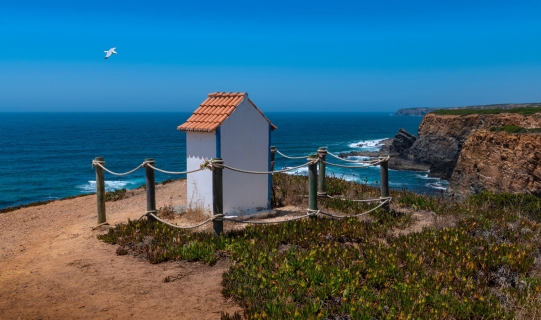
 Alentejo, where time stands still
The quiet region is known for its rolling green hills and it is a true hiking paradise. Architectural highlights can be found in the castles, ancient monasteries or when exploring the countless charming villages.
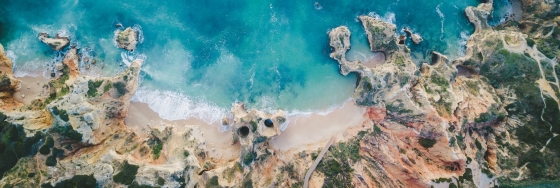 An eco-friendly guide to Lagos travel
Lagos, Portugal is a great place to visit while being careful about your environmental footprint. Here you find some tips about environmentally places to stay, where to eat and how to get around in the area.