
















 An alternative way to discover Sydney
We have made an overview of the sights in Sydney that you must see if you want to visit Sydney in an alternative way.
Sunshine is key to understanding how a place experiences its seasons. This page shows the total number of hours of direct sunlight per month and the average hours per day in Royal National Park, Australian Capital Territory, Australia. These averages rely on historical data collected over 30 years, from 1990 to 2020.

Royal National Park Nusa Penida experiences both sunny and cloudy or rainy periods, with some seasonal variation. It receives approximately 257 hours of sunshine in December and 180 hours in May, contributing to a total annual sunshine amount of 2644 hours.
This means you will experience moderate variation in sunshine hours throughout the year. With 8.6 hours daily sunshine in December, it dips to 6.0 hours in May.
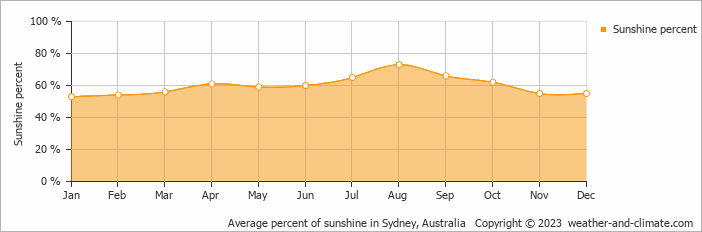
On average the sun shines 73% of the time during the day in August, the highest percentage of any month. January has the lowest percentage at 53%.
Royal National Park enjoys an average of 2644 hours of sunshine annually. Let’s compare this with some popular tourist destinations:
Seville, Spain, enjoys an impressive 2920 hours of sunshine per year, making it an ideal destination even in winter.
In contrast, Juneau, Alaska, receives only about 1523 hours of sunshine per year and is known for its very short days in winter and frequently overcast conditions.
The climate in San Francisco, USA, includes 3072 hours of sunshine annually, thanks to its mild coastal weather.
Melbourne, Australia, has 2380 hours of sunshine annually, with its famous “four seasons in a day” weather pattern.
February, Royal National Park’s wettest month, receives 81 mm (3.2 in) of rainfall and has a maximum daytime temperature of 26°C (79°F). During the driest month September you can expect a temperature of 20°C (68°F).
For more detailed insights into the city’s temperatures, check out our Temperature page. To explore more about precipitation patterns, visit our Royal National Park Precipitation page.
Pick a month to see the average temperature, rainfall and sunshine in Royal National Park - and find the best time to visit.
Temperature Rainfall Sunshine Humidity Wind Speed Water Temp
See the full Royal National Park climate overview or explore weather in Australia.
Where to go in October - average daytime high across popular destinations.
Noosa Heads 25°C (77°F) Brisbane
 26°C (79°F) Byron Bay24°C (75°F) Gold Coast
 24°C (75°F) Perth23°C (73°F) Sydney22°C (72°F) Adelaide20°C (68°F) Melbourne20°C (68°F)
 Need travel inspiration? Check out our bucket list articles and be inspired.
An alternative way to discover Sydney
We have made an overview of the sights in Sydney that you must see if you want to visit Sydney in an alternative way.
 The most relaxed and alternative area of Australia is called the Byron Shire
The Byron Shire is one of the most pretty areas in the world. Not only in terms on natural beauty, also the relaxed vibe and people make this an area that remains close to your heart.
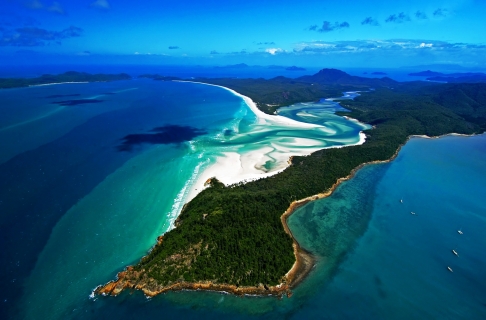 Sail the Whitsunday islands
The best travel period to sail the Whitsunday islands is “winter” between June and October, with pleasant temperatures around 23 degrees Celsius (74 Fahrenheit).
 The best dive spots in Australia
Explore Australia's best dive spots: from the Great Barrier Reef to HMAS Perth. Discover vibrant corals, marine life, and historic wrecks.