
















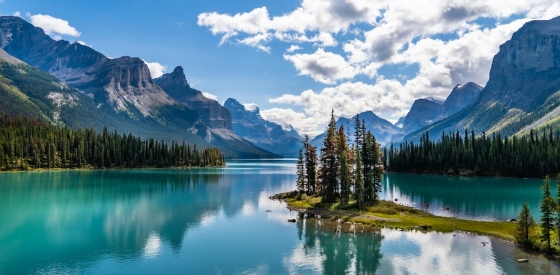
 The 5 most beautiful lakes in Canada
Explore Canada's stunning lakes: Lake Louise, Lake Superior, Maligne Lake, Emerald Lake, and Lake Okanagan, each offering unique beauty and activities.
Average temperatures, rainfall, sunshine and the best time to visit Ottawa.
 –
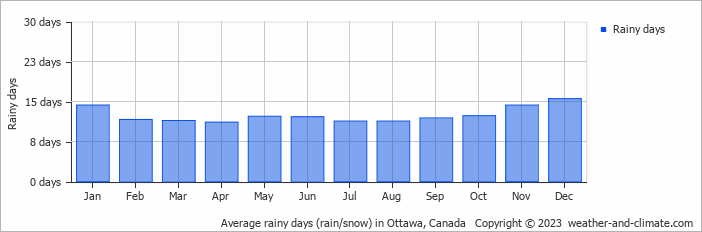
Ottawa, in Ontario, Canada, has warm summers and very cold, snowy winters. Precipitation is spread throughout the year, with heavy snow in winter and regular rain in warmer months. Summer is ideal for exploring the city’s parks and waterways, while winter is popular for skating on the Rideau Canal. Now, let’s explore all the climate details to give you a complete picture.
Pick a month to see the average temperature, rainfall and sunshine in Ottawa - and find the best time to visit.
Visitors to Ottawa can expect significant temperature changes throughout the year. Average maximum daytime temperatures range from a comfortable 27°C (81°F) in July, the warmest time of the year, to a very cold -4°C (25°F) during cooler months like January.
At night, you can expect temperatures ranging from 15°C (59°F) in July to around -15°C (5°F) during January.
Check out our detailed temperature page for more information.

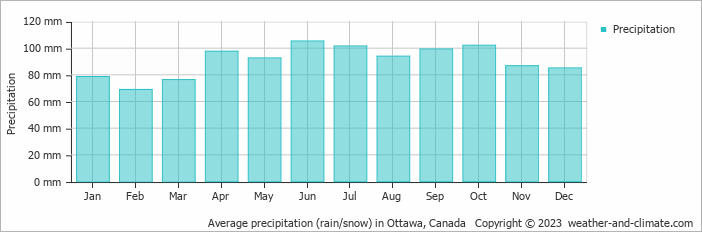
Ottawa is known for its substantial rain/snowfall, with annual precipitation reaching 1088 mm (43 in). Year-round, Ottawa has a balanced climate with minimal variation in precipitation. The difference between the wettest month, June, with 105 mm (4.1 in), and the driest month, February, with 69 mm (2.7 in), is minimal. For more details, please visit our Ottawa Precipitation page.
Seasonal changes in sunshine hours are quite dramatic in Ottawa. While July receives considerable daily sunshine with up to 9.3 hours, December marks the darkest time of the year, where sunshine is scarce with only 2.8 hours of sunlight per day.
Visit our detailed sunshine hours page for more information.


The relative humidity is moderate throughout the year in Ottawa.
The city experiences its highest humidity in December, reaching 72%. In May, the humidity drops to its lowest level at 49%. What does this mean? Read our detailed page on humidity levels for further details.

Monthly ratings reflect general weather comfort, based on daytime temperature and rainfall. Swimming and winter conditions are highlighted separately where relevant.
May, August and September typically offer the most optimal weather in Ottawa. In contrast, January, February, March, November and December tend to have less optimal conditions. Ottawa has warm summers and very cold winters.
Daytime highs range from -4°C (25°F) in January to 27°C (81°F) in July. Nighttime lows range from -15°C (5°F) to 15°C (59°F). Temperatures vary considerably through the year.
Annual rainfall is around 1088 mm (43 in). June is the wettest month with 105 mm (4.1 in), while February is the driest with 69 mm (2.7 in).
Ottawa receives around 2,087 hours of sunshine per year. July is the sunniest month with 280 hours, while December is the cloudiest with just 83 hours. Overall, Ottawa enjoys abundant sunshine.
Ottawa is highlighted - select any city to see its climate.
Where to go in October - average daytime high across popular destinations.
Toronto 16°C (61°F) Niagara Falls15°C (59°F) Montréal14°C (57°F) Ottawa14°C (57°F) Vancouver
 14°C (57°F) Quebec City12°C (54°F) Calgary
 12°C (54°F) Whistler7°C (45°F)
Need travel inspiration? Check out our bucket list articles and be inspired.
The 5 most beautiful lakes in Canada
Explore Canada's stunning lakes: Lake Louise, Lake Superior, Maligne Lake, Emerald Lake, and Lake Okanagan, each offering unique beauty and activities.
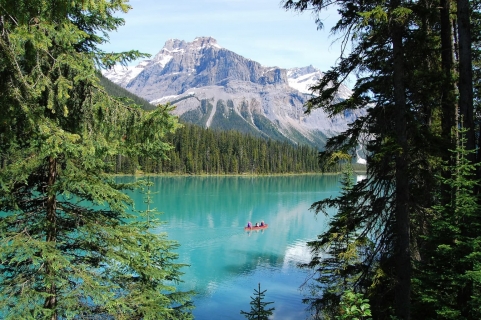 Canada in September: Where Is the Best Weather?
Compare September weather in Toronto, Montreal, Vancouver, Quebec City and Osoyoos to find Canada's warmest, driest and sunniest destinations.
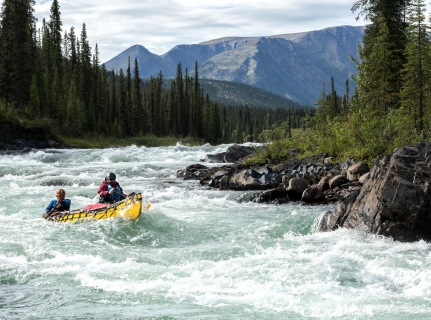 Canoeing the south Nahannii
The South Nahanni in the northwest of Canada is one of the most impressive wilderness rivers in the world. Canoeing the south Nahanni is something you must add to your bucket list.
 See Polar Bears in Churchill Canada
Thousands of bears gather at the small town of Churchill. In the evening the northern lights give a light show against the dark evening sky. An unforgettable experience.