














 The 5 most beautiful lakes in Canada
Explore Canada's stunning lakes: Lake Louise, Lake Superior, Maligne Lake, Emerald Lake, and Lake Okanagan, each offering unique beauty and activities.
Average temperatures, rainfall, sunshine and the best time to visit Le Carbet.
 –
–
Le Carbet, in the Saint-Pierre arrondissement of Martinique, is a beach town with great views and historical significance. It maintains a fairly consistent, warm average temperature and receives a reasonable amount of rainfall. Now, let’s break down all the climate details for a clearer picture.
Pick a month to see the average temperature, rainfall and sunshine in Le Carbet - and find the best time to visit.
The temperature in Le Carbet remains steady throughout the year, providing a consistently comfortable climate. Average daytime temperatures reach a comfortable 30°C (86°F) in September. In January, the coolest month of the year, temperatures drop to a comfortable 28°C (82°F).
At night, temperatures range from around 26°C (79°F) in September to 24°C (75°F) in January.
Check out our detailed temperature page for more information.

Generally, Le Carbet has a moderate amount of precipitation, averaging 816 mm (32 in) of rainfall annually. Le Carbet can be quite wet during October, receiving approximately 126 mm (5 in) of precipitation over 19 rainy days.
In contrast, during the driest month (March), you will experience much drier conditions, with 27 mm (1.1 in) of precipitation spread across 15 rainy days. For more details, please visit our Le Carbet Precipitation page.


Despite minor fluctuations, Le Carbet enjoys a fairly consistent amount of sunshine throughout the year. In March, you can expect approximately 8.6 hours of daily sunshine, while even in June, Le Carbet still receives about 7.0 hours.
Visit our detailed sunshine hours page for more information.

The mean water temperature over the year ranges from 26°C (79°F) in February to 29°C (84°F) in September.

The city experiences its highest humidity in November, reaching 87%. In March, the humidity drops to its lowest level at 80%. What does this mean? Read our detailed page on humidity levels for further details.

The mean wind speed varies between 4 m/s (8 knots) and 7 m/s (14 knots) throughout the year. It is lowest in September and highest during June. What does this mean?

Monthly ratings reflect general weather comfort, based on daytime temperature and rainfall. Swimming and winter conditions are highlighted separately where relevant.
January, February, March, April and December typically offer the most optimal weather in Le Carbet. In contrast, August, September and October tend to have less optimal conditions. Le Carbet has a distinct dry season from January to April.
Daytime highs range from 28°C (82°F) in January to 30°C (86°F) in September. Nighttime lows range from 24°C (75°F) to 26°C (79°F). Temperatures stay relatively stable year-round.
Annual rainfall is around 816 mm (32 in). October is the wettest month with 126 mm (5 in), while March is the driest with 27 mm (1.1 in).
Le Carbet receives around 2,787 hours of sunshine per year. March is the sunniest month with 257 hours, while June is the cloudiest with just 211 hours. Overall, Le Carbet enjoys abundant sunshine.
Le Carbet is highlighted - select any city to see its climate.
Where to go in October - average daytime high across popular destinations.
 Le François
 29°C (84°F) Le Marin29°C (84°F) Les Anses-dʼArlets
 29°C (84°F) Le Diamant29°C (84°F) Sainte-Luce29°C (84°F) Sainte-Anne29°C (84°F) Fort-de-France29°C (84°F) Les Trois-Îlets29°C (84°F)
 Need travel inspiration? Check out our bucket list articles and be inspired.
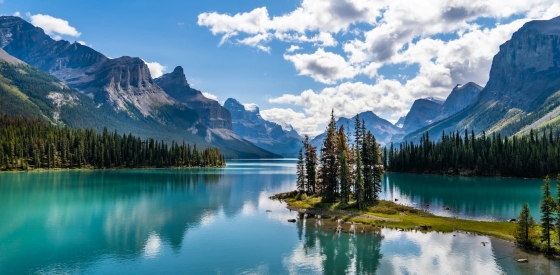
The 5 most beautiful lakes in Canada
Explore Canada's stunning lakes: Lake Louise, Lake Superior, Maligne Lake, Emerald Lake, and Lake Okanagan, each offering unique beauty and activities.
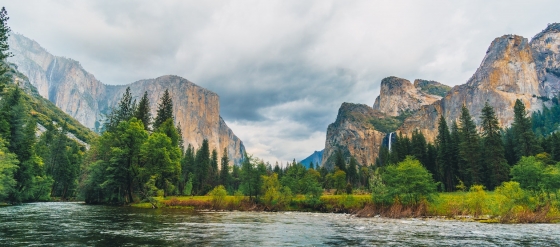
 Yosemite National Park is definitely worth a visit
Vast forests, blue lakes, towering sequoias, and majestic waterfalls hint at the beauty of Yosemite National Park—a true natural masterpiece.
 The 10 most alternative cities in the United States
Discover the top 10 fun and alternative U.S. cities rich in art, culture, and adventure. From Portland's hippy charm to Sedona's stunning landscapes.

 Lake Atitlan: the most beautiful lake in the world
At Lake Atitlan you will be enchanted by beautiful volcanoes, amazing sunsets and the serene tranquility. Mix this with the vibrant Mayan community and you'll understand why Atitlan has something magical.