

















 Tanzania in July: Zanzibar, Safari or Kilimanjaro?
Compare Tanzania weather in July for Zanzibar, Nungwi, Jambiani, Dar es Salaam and Moshi to plan a beach, safari or Kilimanjaro trip.
Average temperatures, rainfall, sunshine and the best time to visit Jambiani.
 –
–
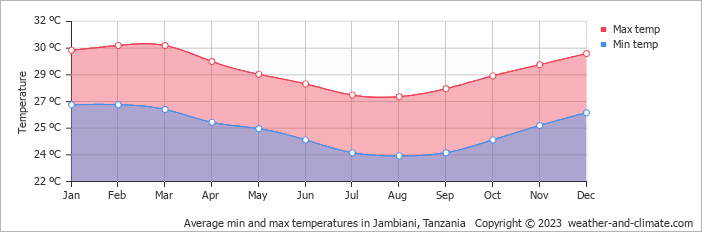
The climate in Jambiani, Zanzibar, Tanzania, is remarkably consistent, with temperatures year-round averaging 29°C (84°F). The warmest month is February at 31°C (88°F), and the coolest is August at 27°C (81°F).
The city receives considerable rainfall, with around 1120 mm (44 in) annually. April is the wettest month. It has a distinct dry season from August to September. October is the sunniest month, averaging 9.2 hours of sunshine per day.
Pick a month to see the average temperature, rainfall and sunshine in Jambiani - and find the best time to visit.
In Jambiani temperatures are generally consistent throughout the year. Typically, average maximum daytime temperatures range from a very warm 31°C (88°F) in February to a comfortable 27°C (81°F) in the coolest month, August.
Nights vary from 27°C (81°F) in February to around 24°C (75°F) during the colder months.
Check out our detailed temperature page for more information.
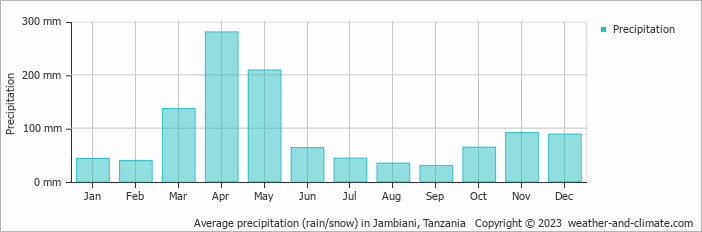
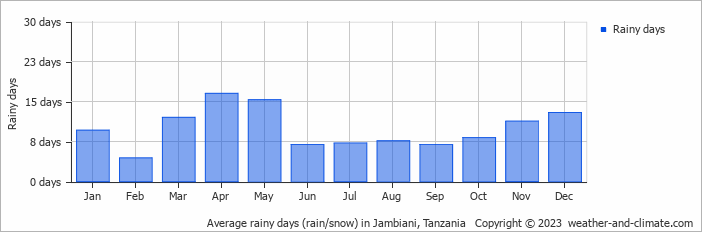
Jambiani experiences significant rainfall throughout the year, averaging 1120 mm (44 in) of precipitation annually. The climate in Jambiani shows significant variation throughout the year. Expect heavy rainfall in April, the wettest month, with an average of 280 mm (11 in) of precipitation over 17 rainy days.
In contrast, the driest month September offers drier and sunnier days, with around 30 mm (1.2 in) of rainfall over 7 rainy days. For more details, please visit our Jambiani Precipitation page.
For those who appreciate different seasons, Jambiani serves as an ideal destination. Expect longer, more sun-filled days in October with an average of 9.2 hours of sunshine daily, and embrace the darker days in April, offering only 5.1 hours of daily sunlight.
Visit our detailed sunshine hours page for more information.
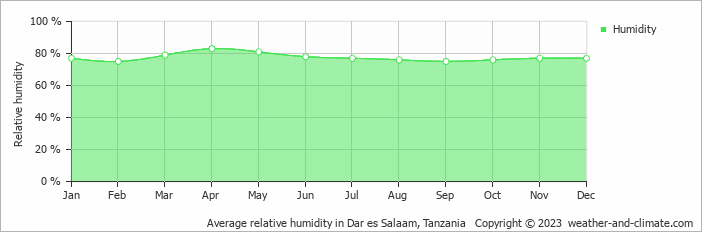
The relative humidity is high throughout the year in Jambiani.
The city experiences its highest humidity in April, reaching 83%. In February, the humidity drops to its lowest level at 75%. What does this mean? Read our detailed page on humidity levels for further details.
Monthly ratings reflect general weather comfort, based on daytime temperature and rainfall. Swimming and winter conditions are highlighted separately where relevant.
June, July, August, September, October and November typically offer the most optimal weather in Jambiani. In contrast, April tends to have less optimal conditions. Jambiani has a distinct dry season from August to September.
Daytime highs range from 27°C (81°F) in August to 31°C (88°F) in February. Nighttime lows range from 24°C (75°F) to 27°C (81°F). Temperatures stay relatively stable year-round.
Annual rainfall is around 1120 mm (44 in). April is the wettest month with 280 mm (11 in), while September is the driest with 30 mm (1.2 in).
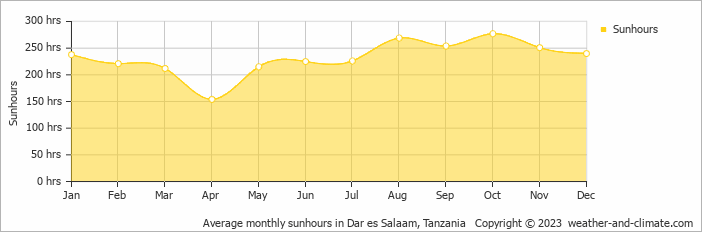
Jambiani receives around 2,782 hours of sunshine per year. October is the sunniest month with 277 hours, while April is the cloudiest with just 154 hours. Overall, Jambiani enjoys abundant sunshine.
Jambiani is highlighted - select any city to see its climate.
Where to go in September - average daytime high across popular destinations.
Dar es Salaam 30°C (86°F) Paje28°C (82°F) Zanzibar City29°C (84°F) Bwejuu28°C (82°F) Matemwe28°C (82°F) Jambiani28°C (82°F) Nungwi27°C (81°F) Moshi26°C (79°F)
 Need travel inspiration? Check out our bucket list articles and be inspired.
Tanzania in July: Zanzibar, Safari or Kilimanjaro?
Compare Tanzania weather in July for Zanzibar, Nungwi, Jambiani, Dar es Salaam and Moshi to plan a beach, safari or Kilimanjaro trip.
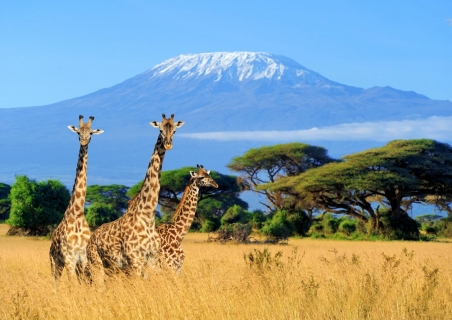 Climb the Kilimanjaro
The Kilimanjaro with its 5895 meters (19340 ft) is the roof of Africa. Climbing Kilimanjaro is a crazy experience and if you like adventure it’s an absolute must for the bucket list.
 The Serengeti
The Serengeti has wide, unending grasslands and is known for its spectacular sunsets. The park also offers the biggest wildlife population in the whole of Africa.
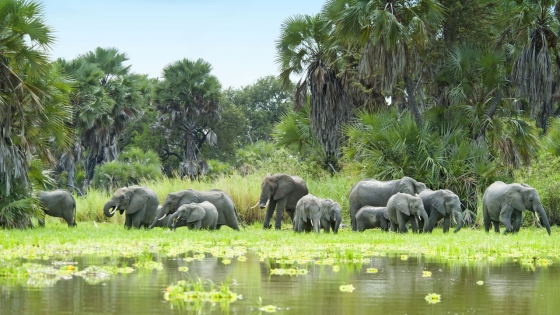 Walk Safari In the Selous Game Reserve
We feel the Selous Game Reserve is undoubtedly one of the most beautiful nature reserves in Tanzania and we recommend adding it to your bucket list. Here you can still experience the real Africa.