














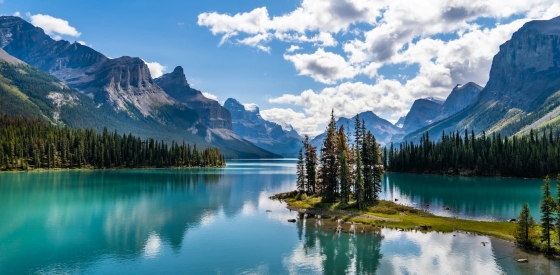
 The 5 most beautiful lakes in Canada
Explore Canada's stunning lakes: Lake Louise, Lake Superior, Maligne Lake, Emerald Lake, and Lake Okanagan, each offering unique beauty and activities.
Average temperatures, rainfall, sunshine and the best time to visit Chaguanas.
 –
–
Chaguanas, Trinidad & Tobago, is Central Trinidad’s largest town, known for its market, Hindu temples, and vibrant Indo-Trinidadian culture. It experiences a steady, very warm climate throughout the year and has a relatively rainy climate with high levels of precipitation. Now, let’s explore all the climate details to give you a complete picture.
Pick a month to see the average temperature, rainfall and sunshine in Chaguanas - and find the best time to visit.
The temperature in Chaguanas remains steady throughout the year, providing a consistently very warm climate. On average, daytime temperatures range from a very warm 31°C (88°F) in May to a comfortable 30°C (86°F) in January.
Nighttime temperatures range from 25°C (77°F) in May to 24°C (75°F) in January.
Check out our detailed temperature page for more information.

Chaguanas has a relatively rainy climate with high precipitation levels, averaging 1215 mm (48 in) of rainfall annually. The seasons in Chaguanas bring significant changes in precipitation. The wettest month, August, receives heavy rainfall, with an average of 164 mm (6.5 in) of precipitation. This rainfall is distributed across 22 rainy days.
In contrast, the driest month, March, experiences much less rainfall, totaling 34 mm (1.3 in) over 9 rainy days. These distinct seasonal differences provide diverse experiences throughout the year. For more details, please visit our Chaguanas Precipitation page.


Chaguanas enjoys sunny spells year-round. March sees up to 8.2 hours of daily sunshine, perfect for a sunny trip. June, the least sunny month, still offers a generous 6.2 hours of sun despite this cloudier time of the year.
Visit our detailed sunshine hours page for more information.

The mean water temperature over the year ranges from 26°C (79°F) in February to 28°C (82°F) in May.

The city experiences its highest humidity in November, reaching 86%. In March, the humidity drops to its lowest level at 77%. What does this mean? Read our detailed page on humidity levels for further details.

Monthly ratings reflect general weather comfort, based on daytime temperature and rainfall. Swimming and winter conditions are highlighted separately where relevant.
January, February, March, April and May typically offer the most optimal weather in Chaguanas. In contrast, June, July, August, September, October, November and December tend to have less optimal conditions. Chaguanas has a distinct dry season from February to March.
Daytime highs range from 30°C (86°F) in January to 31°C (88°F) in May. Nighttime lows range from 24°C (75°F) to 25°C (77°F). Temperatures stay relatively stable year-round.
Annual rainfall is around 1215 mm (48 in). August is the wettest month with 164 mm (6.5 in), while March is the driest with 34 mm (1.3 in).
Chaguanas receives around 2,610 hours of sunshine per year. March is the sunniest month with 247 hours, while June is the cloudiest with just 186 hours. Overall, Chaguanas enjoys abundant sunshine.
Chaguanas is highlighted - select any city to see its climate.
Where to go in September - average daytime high across popular destinations.
 San Juan
 30°C (86°F) Piarco31°C (88°F) Port-of-Spain
 30°C (86°F) Crown Point
 30°C (86°F) Castara30°C (86°F) Buccoo30°C (86°F) Scarborough30°C (86°F) Bon Accord Village30°C (86°F)
 Need travel inspiration? Check out our bucket list articles and be inspired.
The 5 most beautiful lakes in Canada
Explore Canada's stunning lakes: Lake Louise, Lake Superior, Maligne Lake, Emerald Lake, and Lake Okanagan, each offering unique beauty and activities.
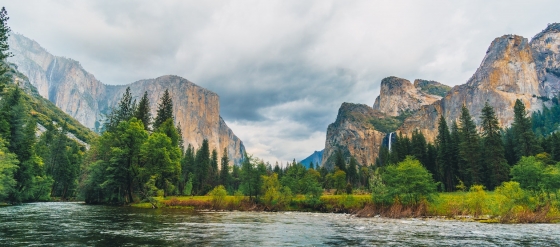
 Yosemite National Park is definitely worth a visit
Vast forests, blue lakes, towering sequoias, and majestic waterfalls hint at the beauty of Yosemite National Park—a true natural masterpiece.
 The 10 most alternative cities in the United States
Discover the top 10 fun and alternative U.S. cities rich in art, culture, and adventure. From Portland's hippy charm to Sedona's stunning landscapes.

 Lake Atitlan: the most beautiful lake in the world
At Lake Atitlan you will be enchanted by beautiful volcanoes, amazing sunsets and the serene tranquility. Mix this with the vibrant Mayan community and you'll understand why Atitlan has something magical.