















 Tanzania in July: Zanzibar, Safari or Kilimanjaro?
Compare Tanzania weather in July for Zanzibar, Nungwi, Jambiani, Dar es Salaam and Moshi to plan a beach, safari or Kilimanjaro trip.
This page shows both the average monthly rainfall and the number of rainy days in Mto wa Mbu, Tanzania. The numbers reflect climate data gathered over a 30-year period, from 1990 to 2020. Now, let's explore all the details to give you a full picture.
Generally, Mto wa Mbu experiences moderate precipitation patterns, averaging 821 mm (32 in) yearly. However, this average masks significant seasonal variation, including a distinct dry season during certain months that are clearly visible in our monthly breakdown below.
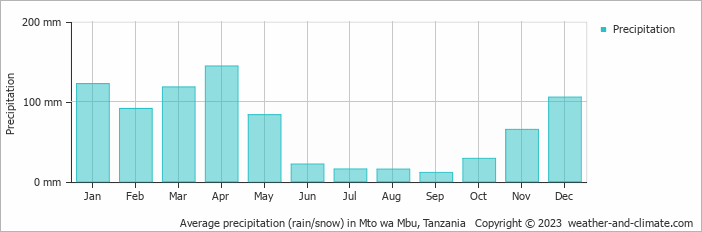
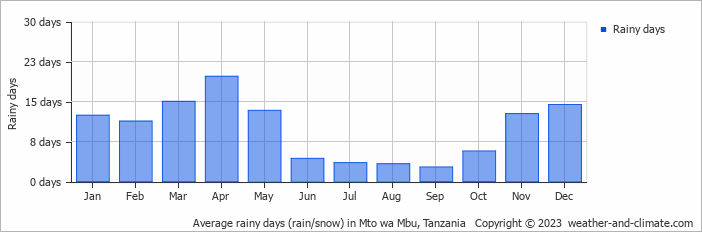
The climate in Mto wa Mbu shows significant variation throughout the year. Expect 144 mm (5.7 in) of precipitation during the wettest month April, distributed over 20 rainy days.
In contrast, September offers drier and sunnier days, with around 11 mm (0.4 in) of rainfall over 3 rainy days.
April, the wettest month, has a maximum daytime temperature of 27°C (81°F). During the driest month September you can expect a temperature of 28°C (82°F). For more detailed insights into the city's temperatures, visit our Mto wa Mbu Temperature page.
Browse day-by-day precipitation records for Mto wa Mbu spanning 21 years. Select any month and year to see actual rainfall and snowfall recorded on each day.
The map below shows the annual precipitation across Tanzania. You can also select the different months in case you are interested in a specific month.
Mto wa Mbu's average annual precipitation is 821 mm (32 in). Let's compare this to some popular worldwide tourist destinations:
The city of Rome, Italy, has an average annual precipitation of 832 mm (33 in), spread fairly evenly throughout the year.
Beijing, China, receives 560 mm (22 in) of annual precipitation, concentrated in the summer months.
In Brisbane, Australia, the annual precipitation is 979 mm (39 in), making it wetter than Sydney.
Singapore, situated near the equator, gets 2581 mm (102 in) of rainfall annually, with no distinct dry season and consistent monthly precipitation.
Precipitation amounts are measured using specific gauges installed at weather stations, collecting both rain and snow and any other type of precipitation. Rainfall is measured directly in millimeters, while that from snow and ice is obtained by melting it. Automated systems often incorporate heaters to make this easier.
Information from these stations is transmitted via Wi-Fi, satellite, GPS, or telephone connections to central monitoring networks. This information is immediately updated and integrated into weather models and forecasts.
The proximity of a location to a large body of water can significantly affect its rainfall patterns:
For more detailed information about Mto wa Mbu's weather, including sunshine hours, humidity levels, and temperature data, visit our Mto wa Mbu Climate page.
Pick a month to see the average temperature, rainfall and sunshine in Mto wa Mbu - and find the best time to visit.
Temperature Rainfall
See the full Mto wa Mbu climate overview or explore weather in Tanzania.
Where to go in October - average daytime high across popular destinations.
Dar es Salaam 31°C (88°F) Bwejuu
 29°C (84°F) Zanzibar City30°C (86°F) Matemwe28°C (82°F) Paje29°C (84°F) Jambiani29°C (84°F) Nungwi28°C (82°F) Moshi27°C (81°F)
 Need travel inspiration? Check out our bucket list articles and be inspired.
Tanzania in July: Zanzibar, Safari or Kilimanjaro?
Compare Tanzania weather in July for Zanzibar, Nungwi, Jambiani, Dar es Salaam and Moshi to plan a beach, safari or Kilimanjaro trip.
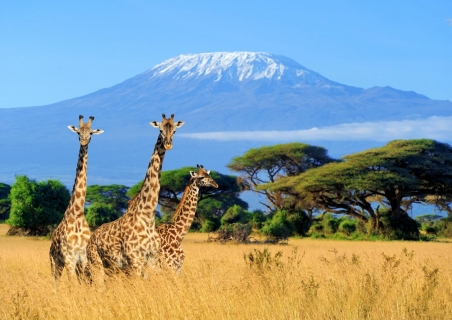 Climb the Kilimanjaro
The Kilimanjaro with its 5895 meters (19340 ft) is the roof of Africa. Climbing Kilimanjaro is a crazy experience and if you like adventure it’s an absolute must for the bucket list.
 The Serengeti
The Serengeti has wide, unending grasslands and is known for its spectacular sunsets. The park also offers the biggest wildlife population in the whole of Africa.
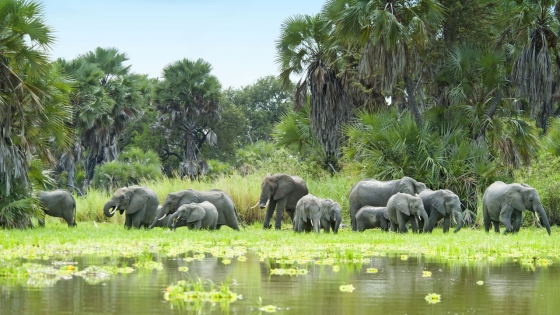 Walk Safari In the Selous Game Reserve
We feel the Selous Game Reserve is undoubtedly one of the most beautiful nature reserves in Tanzania and we recommend adding it to your bucket list. Here you can still experience the real Africa.