














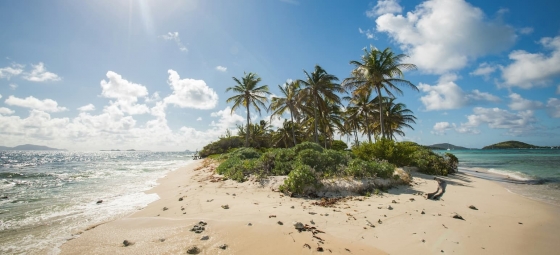
 10 Hidden gems in Asia you need to visit
Explore 10 hidden gems in Asia offering authentic experiences, from pristine beaches and remote islands to cultural treks and peaceful mountain villages.
This page shows both the average monthly rainfall and the number of rainy days in Erbil, Iraq. This average is based on long-term data collected between 1990 and 2020. Now, let's explore all the details to give you a full picture.
Generally, Erbil experiences moderate precipitation patterns, averaging 564 mm (22 in) yearly. However, this average masks significant seasonal variation, including a distinct dry season during certain months that are clearly visible in our monthly breakdown below.


The seasons in Erbil, bring significant changes in precipitation. The wettest month, February, receives high rainfall, with an average of 102 mm (4 in) of precipitation. This rainfall is distributed across 11 rainy days.
In contrast, the driest month, August, experiences much less rainfall, totaling 0.2 mm (0.01 in) over a single rainy day. These distinct seasonal differences provide diverse experiences throughout the year.February, the wettest month, has a maximum daytime temperature of 15°C (59°F). During the driest month August you can expect a temperature of 43°C (109°F). For more detailed insights into the city's temperatures, visit our Erbil Temperature page.
Browse day-by-day precipitation records for Erbil spanning 51 years. Select any month and year to see actual rainfall and snowfall recorded on each day.
The map below shows the annual precipitation across Iraq. You can also select the different months in case you are interested in a specific month.
Erbil's average annual precipitation is 564 mm (22 in). Let's compare this to some popular worldwide tourist destinations:
In Barcelona, Spain, the average annual precipitation is 620 mm (24 in), evenly distributed across the year with no extreme wet or dry seasons.
Beijing, China, receives 560 mm (22 in) of annual precipitation, concentrated in the summer months.
In Tokyo, Japan, the average annual precipitation is 1528 mm (60 in), with significant summer rains due to typhoon season.
Mumbai, India, experiences a tropical monsoon climate with 1860 mm (73 in) of annual rainfall, with the majority of precipitation happening during the monsoon season from June to September.
Precipitation amounts are measured using specific gauges installed at weather stations, collecting both rain and snow and any other type of precipitation. Rainfall is measured directly in millimeters, while that from snow and ice is obtained by melting it. Automated systems often incorporate heaters to make this easier.
Information from these stations is transmitted via Wi-Fi, satellite, GPS, or telephone connections to central monitoring networks. This information is immediately updated and integrated into weather models and forecasts.
Tropical Rainforests: In tropical regions, rainfall is generally abundant year-round. Areas near the equator, like the Amazon rainforest, can receive up to 3000 mm (118 in) of rain annually.
Desert Regions: Deserts such as the Sahara and Arabian deserts typically see less than 250 mm (9.8 in) of rainfall annually. Rainfall tends to be infrequent, but when it does occur, it is often intense.
Temperate Zones: In temperate regions, precipitation tends to be more evenly distributed, though areas closer to the ocean may see more rain in the winter months, and areas further inland experience drier summers.
Polar Regions: Precipitation in polar regions, like Antarctica, is extremely low, often falling as snow. Average annual precipitation in Antarctica is less than 200 mm (7.9 in), with some areas receiving as little as 50 mm (2 in) annually.
For more detailed information about Erbil's weather, including sunshine hours, humidity levels, and temperature data, visit our Erbil Climate page.
Pick a month to see the average temperature, rainfall and sunshine in Erbil - and find the best time to visit.
Temperature Rainfall
See the full Erbil climate overview or explore weather in Iraq.
Where to go in October - average daytime high across popular destinations.
 Al Başrah
 38°C (100°F) Nasiriya37°C (99°F) Baghdād
 36°C (97°F) Bagdad36°C (97°F) Karbala35°C (95°F) Kirkuk32°C (90°F) Erbil31°C (88°F) As Sulaymānīyah28°C (82°F)
Need travel inspiration? Check out our bucket list articles and be inspired.
10 Hidden gems in Asia you need to visit
Explore 10 hidden gems in Asia offering authentic experiences, from pristine beaches and remote islands to cultural treks and peaceful mountain villages.
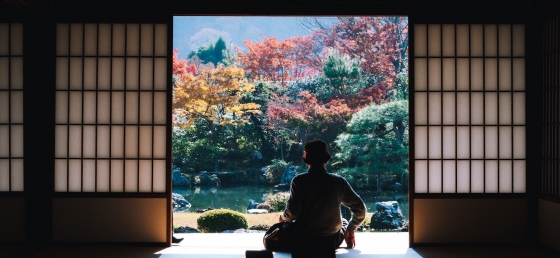
 Chase the autumn leaves in Japan
Japan is one of these cases which turns into a gold, yellow and orange fairy tale starting from September. And we can honestly say: We cannot imagine a more beautiful season to visit Japan.

 The 10 Most Exquisite Beaches in the Philippines
Explore the top 10 breathtaking beaches in the Philippines, from serene Nacpan Beach to volcanic Camiguin Island, in our detailed guide.
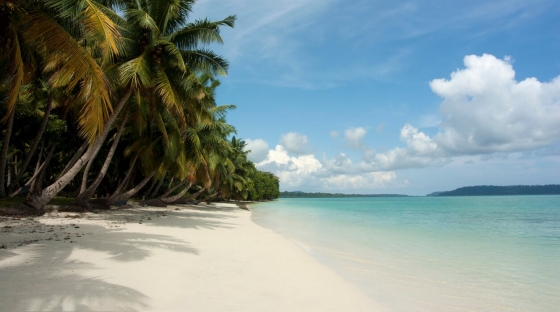
 A paradise called Andaman Islands
Though officially Indian, the Andamans are nearer Myanmar, Indonesia, and Thailand, resulting in amazing, budget-friendly white-sand beaches.