
















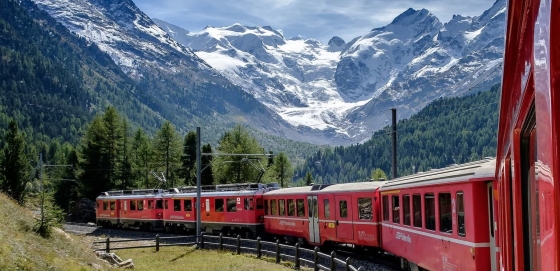
 The 5 most scenic train journeys in Switzerland
Explore Switzerland's top 5 train journeys, featuring breathtaking Alpine views and engineering marvels like the Glacier Express and Bernina Express.
The average annual maximum temperature in Vals, Grisons, Switzerland is 7°C (45°F), with daytime highs ranging from -3°C (27°F) in January to 18°C (64°F) in July. This page covers monthly averages, day-night differences, and how Vals compares to cities worldwide.
Depending on the time of the year, temperatures range from mild to very cold in Vals. Nighttime lows follow the same pattern, ranging from 7°C (45°F) to -12°C (10°F).
The chart below illustrates the average maximum day and minimum night temperatures in Vals by month:
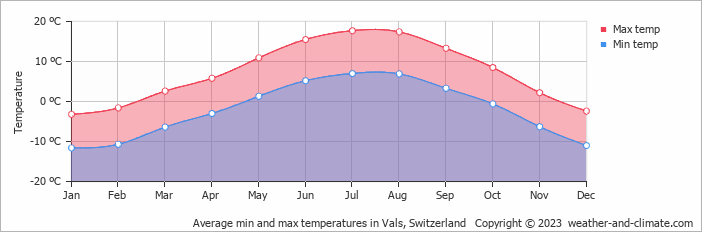
The minimum temperature is often recorded between 4 AM and 6 AM, while the highest temperature is usually reached at 3 PM, when the sun's heating effect is strongest. July, the warmest month, gets 196 hours of sunshine.
The chart below shows the average temperature throughout the year:
The map below shows the annual temperature across Switzerland. You can also select individual months if you want to compare a specific time of year.
Vals's average annual maximum temperature is 7°C (45°F). To put that in context, here's how it compares to a few well-known destinations:
Rome, Italy averages 20°C (68°F) annually, with reliably warm summers and comfortable winters.
Toronto, Canada averages 13°C (55°F) annually, with cold snowy winters balanced by genuinely warm summers.
Chicago, USA averages 15°C (59°F) annually, known for extreme seasonal swings, from bitterly cold winters to warm summers.
Brisbane, Australia averages 26°C (79°F) a year, with warm winters and hot, humid summers.
Temperature alone doesn't tell the whole story, humidity plays a big role in how warm or cold it actually feels. High humidity in summer makes the heat feel more intense, particularly once temperatures climb above 25°C. In winter, the same humidity can make cold air feel sharper than the thermometer suggests.
In the cooler months, when temperatures drop below 10°C, high humidity makes the cold feel more cutting than it would in dry conditions.
In Vals, January is the coolest month, with average highs of -3°C (27°F) and humidity around 68%, considered high. For a full picture, see our humidity page.
Climate temperature data is typically calculated as a 30-year average. This smooths out year-to-year variability and gives a more reliable picture of what a place is actually like, rather than what happened in any single unusual year.
The readings come from a range of sources, land-based weather stations, ocean buoys, ships, and satellites. That data is collected by weather services around the world, then pooled, quality-checked, and averaged to produce the climate records you see here.
Seasonal temperature shifts influence more than just how warm it feels, they also drive changes in rainfall, cloud cover, and wind patterns throughout the year.
Warmer air holds more moisture, which tends to mean heavier or more frequent rain during the warmer months. When temperatures drop in winter, any precipitation that does fall is more likely to come as snow or sleet, though in Vals this rarely lasts long on the ground.
For more on Vals's weather, including monthly rainfall, sunshine hours, and humidity, visit our Vals climate page.
Pick a month to see the average temperature, rainfall and sunshine in Vals - and find the best time to visit.
Temperature Rainfall Sunshine Humidity
See the full Vals climate overview or explore weather in Switzerland.
Where to go in October - average daytime high across popular destinations.
Zürich 15°C (59°F) Crans-Montana10°C (50°F) Engelberg10°C (50°F) Nendaz10°C (50°F) Davos8°C (46°F) Saas-Fee
 7°C (45°F) Grindelwald8°C (46°F) Zermatt6°C (43°F)
 Need travel inspiration? Check out our bucket list articles and be inspired.
The 5 most scenic train journeys in Switzerland
Explore Switzerland's top 5 train journeys, featuring breathtaking Alpine views and engineering marvels like the Glacier Express and Bernina Express.
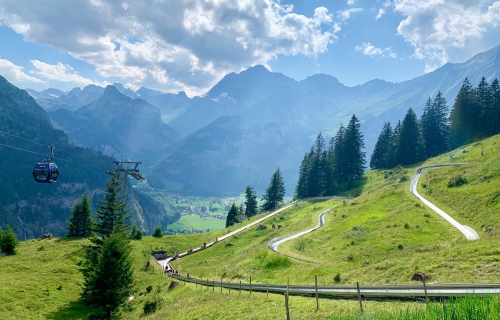 You'll love this Mountain roller coaster
Hotel Oeschinensee’s mountain coaster is a summer toboggan that you want to add to your bucket list. You'll get in your cart, sit down and fly across the track while enjoying the beautiful mountain scenery around you.
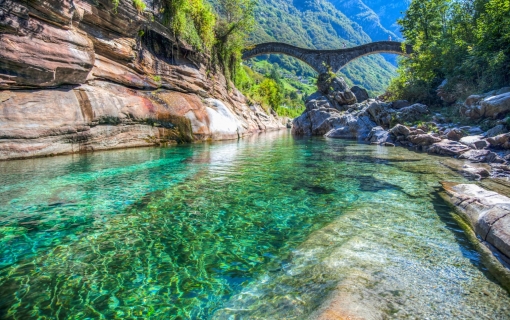 The Verzasca Valley
You can visit the Verzasca Valley in any season. It's an amazing place for swimming and it is a paradise for hikers. A must see for the bucket list.
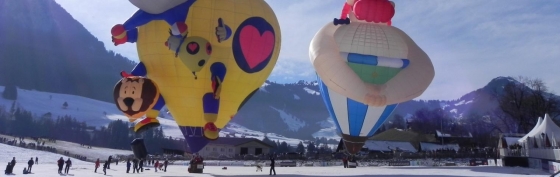 Balloon at Chateau D'oex
If you are looking for a special place to visit in Europe in January we recommend visiting the annual balloon festival in Château-d'Oex, Switzerland.