
















 Tanzania in July: Zanzibar, Safari or Kilimanjaro?
Compare Tanzania weather in July for Zanzibar, Nungwi, Jambiani, Dar es Salaam and Moshi to plan a beach, safari or Kilimanjaro trip.
Pwani Mchangani in Zanzibar, Tanzania enjoys a stable climate, with daytime temperatures staying close to 29°C (84°F) throughout the year. Explore the full monthly breakdown below.
Pwani Mchangani enjoys a stable climate with temperatures staying pretty much the same throughout the year. Maximum daytime temperatures range from a comfortable 27°C (81°F) in August to a very warm 30°C (86°F) in March. Nights are consistently cool, with lows between 27°C (81°F) and 24°C (75°F).
The chart below illustrates the average maximum day and minimum night temperatures in Pwani Mchangani by month:

The coolest part of the day is typically between 4 AM and 6 AM, while 3 PM is usually the warmest, when solar heating is at its peak.
The chart below shows the average temperature throughout the year:
Average high and low temperatures for each day of the month based on long-term records. 37-year average (1983-2025)
Browse day-by-day temperature records for Pwani Mchangani spanning 51 years. Select any month and year to see actual high and low temperatures recorded on each day.
The map below shows the annual temperature across Tanzania. You can also select individual months if you want to compare a specific time of year.
Pwani Mchangani's average annual maximum temperature is 29°C (84°F). To put that in context, here's how it compares to a few well-known destinations:
Athens, Greece sits at 23°C (73°F) on average, with hot dry summers and mild winters characteristic of the Mediterranean.
Queenstown, New Zealand averages 10°C (50°F) annually, remember seasons are flipped, so its coldest months fall in June and July.
Shanghai, China averages 21°C (70°F) a year, with warm summers, mild winters, and a noticeable spring and autumn.
Brisbane, Australia averages 26°C (79°F) a year, with warm winters and hot, humid summers.
Climate temperature data is typically calculated as a 30-year average. This smooths out year-to-year variability and gives a more reliable picture of what a place is actually like, rather than what happened in any single unusual year.
The readings come from a range of sources, land-based weather stations, ocean buoys, ships, and satellites. That data is collected by weather services around the world, then pooled, quality-checked, and averaged to produce the climate records you see here.
Land Temperature: The average surface temperature across the Earth's land is around 14°C, but that figure hides enormous variation. In the Sahara, daytime temperatures can exceed 50°C. At the poles, averages fall below -30°C. Deserts are also notable for how quickly they cool at night, without moisture in the air to retain heat, temperatures can drop 30°C or more in just a few hours, making desert nights surprisingly cold.
Sea Temperature: The oceans average around 17°C at the surface, generally cooler than land. Because water absorbs and releases heat slowly, the sea acts as a buffer, keeping coastal climates more stable than inland areas. The deep ocean is a different story: below the sunlit upper layers, water stays near-freezing regardless of surface conditions.
Equatorial Regions: Near the equator, the sun is overhead year-round, producing consistent heat and fuelling tropical rainforests in places like the Amazon and Congo basins. Seasonal temperature variation is minimal, but these regions do experience distinct wet and dry seasons that shape their ecosystems.
Desert Regions: Desert temperatures swing wildly between seasons and even between day and night. The Sonoran Desert in North America can drop to 0°C on winter nights yet exceed 40°C on summer days. What all deserts share is very low rainfall, typically under 250mm per year.
Polar Regions: The Arctic and Antarctic experience extreme cold, with long stretches of darkness in winter and continuous daylight in summer. Arctic winter temperatures average around -30°C. In Antarctica's interior, it gets far colder, sometimes below -80°C in the coldest recorded spots.
Temperate Forests: Across North America, Europe, and East Asia, temperate forests see proper seasons, warm summers and cold winters, with average temperatures roughly between 5°C and 22°C depending on the time of year.
Mountain Regions: Temperature drops by roughly 6°C for every 1,000 metres of altitude. In ranges like the Andes or the Himalayas, that means you can move from temperate forest at lower elevations to permanent snow and ice at the peaks, all within a relatively short distance.
For more on Pwani Mchangani's weather, including monthly rainfall, sunshine hours, and humidity, visit our Pwani Mchangani climate page.
Pick a month to see the average temperature, rainfall and sunshine in Pwani Mchangani - and find the best time to visit.
Temperature Rainfall
See the full Pwani Mchangani climate overview or explore weather in Tanzania.
Where to go in October - average daytime high across popular destinations.
Dar es Salaam 31°C (88°F) Bwejuu
 29°C (84°F) Zanzibar City30°C (86°F) Matemwe28°C (82°F) Paje29°C (84°F) Jambiani29°C (84°F) Nungwi28°C (82°F) Moshi27°C (81°F)
Need travel inspiration? Check out our bucket list articles and be inspired.
Tanzania in July: Zanzibar, Safari or Kilimanjaro?
Compare Tanzania weather in July for Zanzibar, Nungwi, Jambiani, Dar es Salaam and Moshi to plan a beach, safari or Kilimanjaro trip.
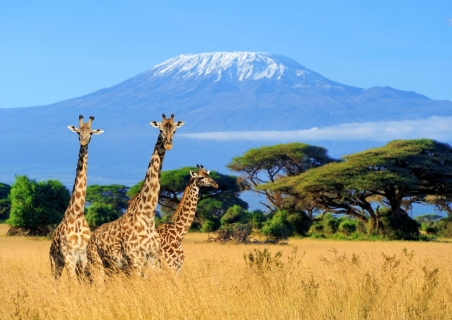 Climb the Kilimanjaro
The Kilimanjaro with its 5895 meters (19340 ft) is the roof of Africa. Climbing Kilimanjaro is a crazy experience and if you like adventure it’s an absolute must for the bucket list.
 The Serengeti
 has wide, unending grasslands and is known for its spectacular sunsets. The park also offers the biggest wildlife population in the whole of Africa.
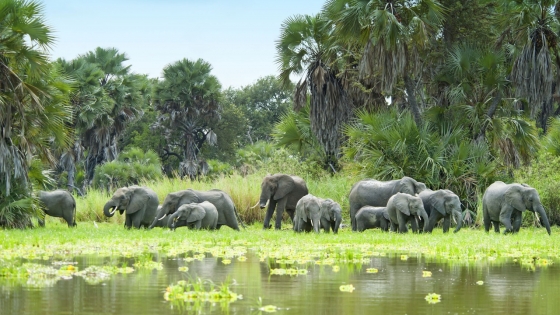 Walk Safari In the Selous Game Reserve
We feel the Selous Game Reserve is undoubtedly one of the most beautiful nature reserves in Tanzania and we recommend adding it to your bucket list. Here you can still experience the real Africa.