















 Chase the autumn leaves in Japan
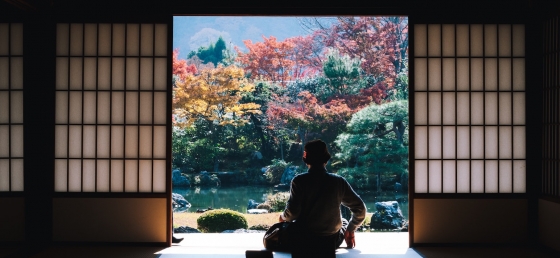
Japan is one of these cases which turns into a gold, yellow and orange fairy tale starting from September. And we can honestly say: We cannot imagine a more beautiful season to visit Japan.
Average temperatures, rainfall, sunshine and the best time to visit Miyanokoshi.
 –
10-day forecastForecast
–
10-day forecastForecast
Miyanokoshi in the scenic Kiso Valley of Japan offers a glimpse into Edo-period history with its preserved post towns and surrounding forests. The climate shifts distinctly through the seasons. Summers tend to be warm, while winters are very cold with frequent snowfall. Rain is common throughout the year, contributing to a damp and cool atmosphere much of the time. Let’s take a closer look at the local climate.
Pick a month to see the average temperature, rainfall and sunshine in Miyanokoshi - and find the best time to visit.
Depending on the time of the year, temperatures range from comfortable to very cold in Miyanokoshi. Average maximum daytime temperatures range from a comfortable 27°C (81°F) in August, the warmest time of the year, to a very cold 1°C (34°F) during cooler months like January.
At night, you can expect temperatures ranging from 17°C (63°F) in August to around -10°C (14°F) during January.
Check out our detailed temperature page for more information.

Miyanokoshi has a relatively rain/snowy climate with high precipitation levels, averaging 2217 mm (87 in) of rain/snowfall annually. Significant seasonal changes in precipitation occur throughout the year. In the wettest month, July it receives heavy rainfall, averaging 298 mm (12 in) of precipitation, recorded across 23 rainy days. In contrast, the driest month January brings less snowfall, with 114 mm (4.5 in) over 20 snowy days. For more details, please visit our Miyanokoshi Precipitation page.


Monthly ratings reflect general weather comfort, based on daytime temperature and rainfall. Swimming and winter conditions are highlighted separately where relevant.
August typically offers the most optimal weather in Miyanokoshi. In contrast, January, February, March, April, June, July, October, November and December tend to have less optimal conditions. Miyanokoshi has a distinct rainy season from March to October, with warm summers and very cold winters.
Daytime highs range from 1°C (34°F) in January to 27°C (81°F) in August. Nighttime lows range from -10°C (14°F) to 17°C (63°F). Temperatures vary considerably through the year.
Annual rainfall is around 2217 mm (87 in). July is the wettest month with 298 mm (12 in), while January is the driest with 114 mm (4.5 in).
Miyanokoshi is highlighted - select any city to see its climate.
Where to go in October - average daytime high across popular destinations.
Naha 28°C (82°F) Osaka
 24°C (75°F) Kyoto23°C (73°F) Tokyo23°C (73°F) Hakone21°C (70°F) Hakuba17°C (63°F) Sapporo16°C (61°F) Niseko15°C (59°F)
 Need travel inspiration? Check out our bucket list articles and be inspired.
Chase the autumn leaves in Japan
Japan is one of these cases which turns into a gold, yellow and orange fairy tale starting from September. And we can honestly say: We cannot imagine a more beautiful season to visit Japan.
 Walk the 88 temple circuit
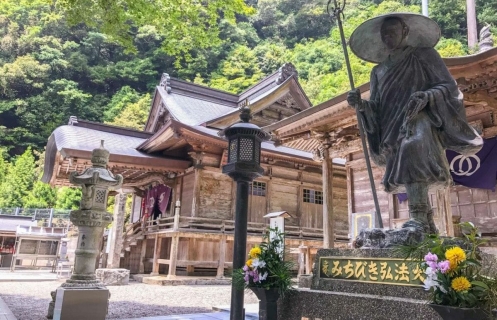
We recommend walking the 88 temple circuit from April til October. Although June, July and August can be a bit wet, hot and humid.
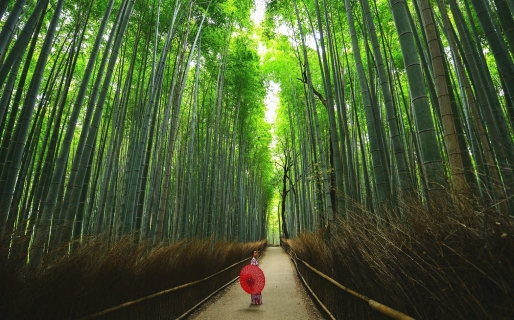 The famous bamboo forests of Arashiyama
The famous bamboo forests of Arashiyama lie just outside the city center of Kyoto and is unique in the world. If you look at photos of this bamboo forest, it looks like you have landed in a fairy-tale world.
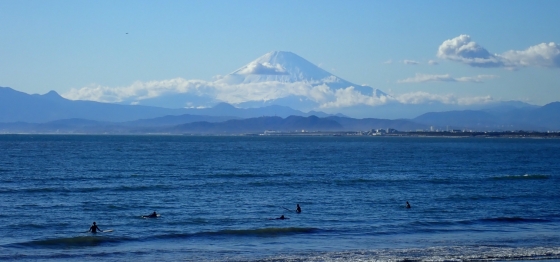 10 reasons why you should visit Japan in winter
Here are 10 reasons why you should plan a winter trip to Japan. During this period, popular sights are less busy and prices for flights and hotels much cheaper.