














 The 10 most alternative cities in South America
Discover South America's top 10 alternative cities! From Valparaíso's vibrant streets to La Paz's high-altitude charm and Medellín's innovative spirit.
Average temperatures, rainfall, sunshine and the best time to visit Cafayate.
 –
10-day forecastForecast
–
10-day forecastForecast
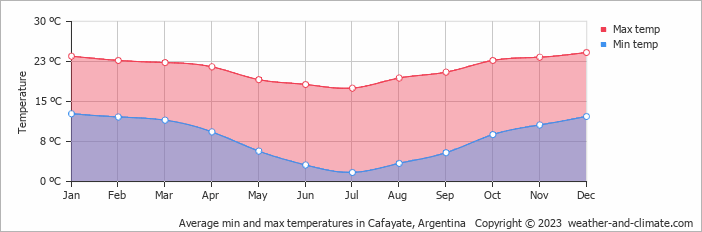
The climate in Cafayate, Salta Province, Argentina, is remarkably consistent, with temperatures year-round averaging 21°C (70°F). The warmest month is December at 24°C (75°F), and the coolest is July at 18°C (64°F).
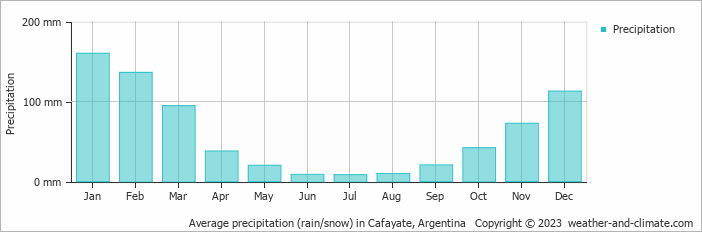
Cafayate sees a moderate amount of rain/snowfall, totalling around 724 mm (29 in) per year. It experiences a distinct dry season from April to September, creating some seasonal variation.
Pick a month to see the average temperature, rainfall and sunshine in Cafayate - and find the best time to visit.
In Cafayate temperatures are generally consistent throughout the year. Average maximum daytime temperatures range from a comfortable 24°C (75°F) in December, the warmest time of the year, to a moderate 18°C (64°F) during cooler months like July.
At night, you can expect temperatures ranging from 13°C (55°F) in December to around 2°C (36°F) during July.
Check out our detailed temperature page for more information.
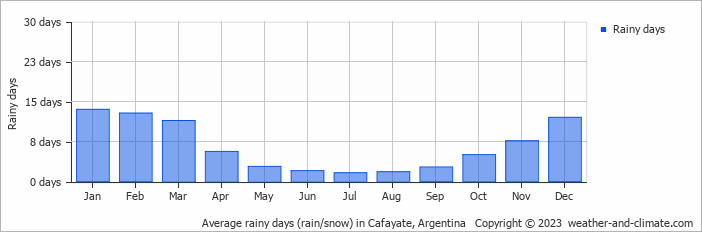
On average, Cafayate receives a reasonable amount of rain/snowfall, with an annual precipitation of 724 mm (29 in). Significant seasonal changes in precipitation occur throughout the year. In the wettest month, January it receives heavy rainfall, averaging 160 mm (6.3 in) of precipitation, recorded across 14 rainy days. In contrast, the driest month July brings less rainfall, with 8.3 mm (0.3 in) over 2 rainy days. For more details, please visit our Cafayate Precipitation page.
Monthly ratings reflect general weather comfort, based on daytime temperature and rainfall. Swimming and winter conditions are highlighted separately where relevant.
March, April, May, June, July, August, September, October and November typically offer the most optimal weather in Cafayate. In contrast, January, February and December tend to have less optimal conditions. Cafayate has a distinct dry season from April to September.
Daytime highs range from 18°C (64°F) in July to 24°C (75°F) in December. Nighttime lows range from 2°C (36°F) to 13°C (55°F). Temperatures stay relatively stable year-round.
Annual rainfall is around 724 mm (29 in). January is the wettest month with 160 mm (6.3 in), while July is the driest with 8.3 mm (0.3 in).
Cafayate is highlighted - select any city to see its climate.
Where to go in October - average daytime high across popular destinations.
Córdoba 25°C (77°F) Mendoza
 24°C (75°F) Salta
 23°C (73°F) Villa Carlos Paz23°C (73°F) Buenos Aires23°C (73°F) Mar del Plata18°C (64°F) San Carlos de Bariloche11°C (52°F) San Martín de los Andes11°C (52°F)
 Need travel inspiration? Check out our bucket list articles and be inspired.
The 10 most alternative cities in South America
Discover South America's top 10 alternative cities! From Valparaíso's vibrant streets to La Paz's high-altitude charm and Medellín's innovative spirit.
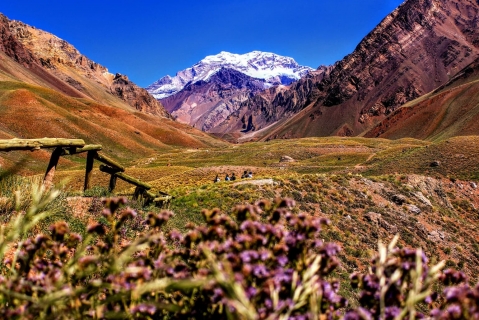 Warm Days, Cool Nights: 8 Destinations With the Perfect Day-Night Temperature
Prefer warm sunny days but cool evenings? Compare eight destinations with daytime temperatures of around 25–30°C, cooler nights, low rainfall and plenty of sunshine.
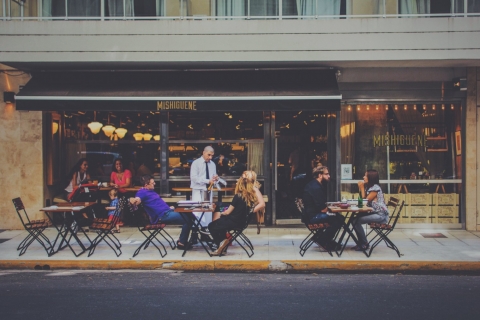 Be amazed by Buenos Aires
The city of beautiful museums, cute streets, green parks, lots of good food, interesting local neighborhoods and impressive historical buildings.
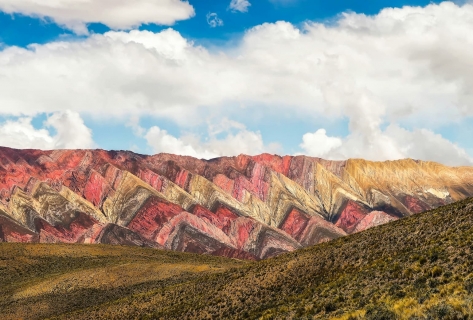 Argentina in November: Where to Go for the Best Weather
Compare November weather in Mendoza, Buenos Aires, Cafayate, Bariloche and Ushuaia to find Argentina's warmest, sunniest and driest places.