
















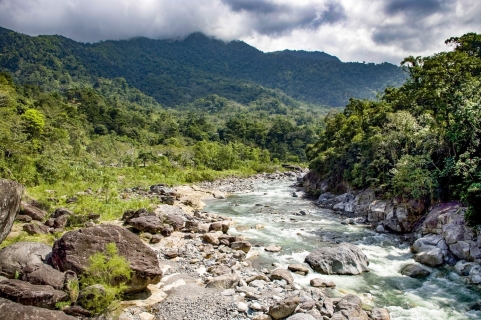
 Pico Bonito: Honduras' enchanting jungle adventure awaits
Explore Pico Bonito, Honduras' largest national park. Discover diverse wildlife, exhilarating activities, and lush landscapes. Your jungle adventure begins here!
This page shows both the average monthly rainfall and the number of rainy days in Palmetto Bay, Honduras. This average is based on long-term data collected between 1990 and 2020. Now, let's explore all the details to give you a full picture.
Palmetto Bay is known for its substantial rainfall, with annual precipitation reaching 1507 mm (59 in).


Palmetto Bay can be quite wet during October, receiving approximately 295 mm (12 in) of precipitation over 21 rainy days.
In contrast April, experiences much drier conditions, with 30 mm (1.2 in) of rainfall, spread across 6 rainy days.
October, the wettest month, has a maximum daytime temperature of 29°C (84°F). During the driest month April you can expect a temperature of 29°C (84°F). For more detailed insights into the city's temperatures, visit our Palmetto Bay Temperature page.
Average daily rainfall for each day of the month based on long-term records. 42-year average (1980-2025)
Browse day-by-day precipitation records for Palmetto Bay spanning 51 years. Select any month and year to see actual rainfall and snowfall recorded on each day.
The map below shows the annual precipitation across Honduras. You can also select the different months in case you are interested in a specific month.
Palmetto Bay's average annual precipitation is 1507 mm (59 in). Let's compare this to some popular worldwide tourist destinations:
In Barcelona, Spain, the average annual precipitation is 644 mm (25 in), evenly distributed across the year with no extreme wet or dry seasons.
Osaka, Japan, experiences 1507 mm (59 in) of rainfall annually, spread across the year with wetter summers.
In Brisbane, Australia, the annual precipitation is 979 mm (39 in), making it wetter than Sydney.
Bangkok, Thailand, experiences a tropical monsoon climate with 1668 mm (66 in) of annual rainfall, with the heaviest precipitation occurring during September and October.
Precipitation amounts are measured using specific gauges installed at weather stations, collecting both rain and snow and any other type of precipitation. Rainfall is measured directly in millimeters, while that from snow and ice is obtained by melting it. Automated systems often incorporate heaters to make this easier.
Information from these stations is transmitted via Wi-Fi, satellite, GPS, or telephone connections to central monitoring networks. This information is immediately updated and integrated into weather models and forecasts.
The proximity of a location to a large body of water can significantly affect its rainfall patterns:
For more detailed information about Palmetto Bay's weather, including sunshine hours, humidity levels, and temperature data, visit our Palmetto Bay Climate page.
Pick a month to see the average temperature, rainfall and sunshine in Palmetto Bay - and find the best time to visit.
Temperature Rainfall
See the full Palmetto Bay climate overview or explore weather in Honduras.
Where to go in October - average daytime high across popular destinations.
San Pedro Sula 30°C (86°F) Utila29°C (84°F) Roatán29°C (84°F) West End29°C (84°F) West Bay29°C (84°F) Tegucigalpa27°C (81°F) Copán Ruinas27°C (81°F) La Ceiba28°C (82°F)
Need travel inspiration? Check out our bucket list articles and be inspired.
Pico Bonito: Honduras' enchanting jungle adventure awaits
Explore Pico Bonito, Honduras' largest national park. Discover diverse wildlife, exhilarating activities, and lush landscapes. Your jungle adventure begins here!
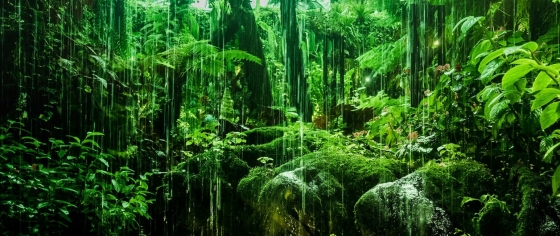
 The top 5 unexplored rainforests in Central America
Dive into Central America's top 5 hidden rainforests for an unparalleled journey through vibrant wildlife and diverse landscapes.
 The unspoiled Bahía Islands in Honduras
Discover Roatán, the largest of the Bahía Islands, a paradise for divers and snorkelers with stunning reefs and wildlife. Best visited February to July.
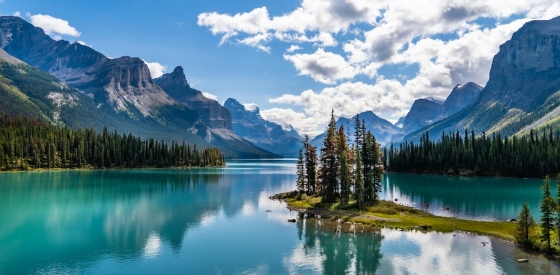
 The 5 most beautiful lakes in Canada
Explore Canada's stunning lakes: Lake Louise, Lake Superior, Maligne Lake, Emerald Lake, and Lake Okanagan, each offering unique beauty and activities.