

















 A completely different side of the Maldives
The Maldives are a magical place. With a clear blue sea in combination with the white beaches you can now also include a more local experience.
This page shows both the average monthly rainfall and the number of rainy days in Meedhoo, Dhaalu Atoll, Maldives. These values are calculated using 30 years of data (1990–2020) to ensure accuracy. Now, let's break down all the details for a clearer picture.
Meedhoo experiences significant rainfall throughout the year, averaging 1852 mm (73 in) of precipitation annually. However, this abundant rainfall is not evenly distributed, with a distinct rainy season during certain months. You can clearly see this in our monthly precipitation graphs below.


The seasons in Meedhoo, bring significant changes in precipitation. The wettest month, November, receives heavy rainfall, with an average of 251 mm (9.9 in) of precipitation. This rainfall is distributed across 12 rainy days.
In contrast, the driest month, March, experiences much less rainfall, totaling 62 mm (2.4 in) over 6 rainy days. These distinct seasonal differences provide diverse experiences throughout the year.November, the wettest month, has a maximum daytime temperature of 29°C (84°F). During the driest month March you can expect a temperature of 30°C (86°F). For more detailed insights into the city's temperatures, visit our Meedhoo Temperature page.
The map below shows the annual precipitation across the Maldives. You can also select the different months in case you are interested in a specific month.
Meedhoo's average annual precipitation is 1852 mm (73 in). Let's compare this to some popular worldwide tourist destinations:
Chicago, USA, sees an annual precipitation of 1062 mm (42 in), with rain and snow contributing to its humid climate.
In Shanghai, China, the annual average precipitation is 1347 mm (53 in), with a humid subtropical climate.
Melbourne, Australia, has 690 mm (27 in) of rainfall annually, spread fairly evenly throughout the year.
Mumbai, India, experiences a tropical monsoon climate with 1860 mm (73 in) of annual rainfall, with the majority of precipitation happening during the monsoon season from June to September.
Precipitation amounts are measured using specific gauges installed at weather stations, collecting both rain and snow and any other type of precipitation. Rainfall is measured directly in millimeters, while that from snow and ice is obtained by melting it. Automated systems often incorporate heaters to make this easier.
Information from these stations is transmitted via Wi-Fi, satellite, GPS, or telephone connections to central monitoring networks. This information is immediately updated and integrated into weather models and forecasts.
For more detailed information about Meedhoo's weather, including sunshine hours, humidity levels, and temperature data, visit our Meedhoo Climate page.
Pick a month to see the average temperature, rainfall and sunshine in Meedhoo - and find the best time to visit.
Temperature Rainfall
See the full Meedhoo climate overview or explore weather in the Maldives.
Where to go in October - average daytime high across popular destinations.
Kelaa 29°C (84°F) Mandhoo29°C (84°F) Raa Atoll29°C (84°F) Finolhus29°C (84°F) Feridhoo29°C (84°F) Dhidhdhoo29°C (84°F) Fehendhoo29°C (84°F) Hulhumale29°C (84°F)
Need travel inspiration? Check out our bucket list articles and be inspired.
A completely different side of the Maldives
The Maldives are a magical place. With a clear blue sea in combination with the white beaches you can now also include a more local experience.
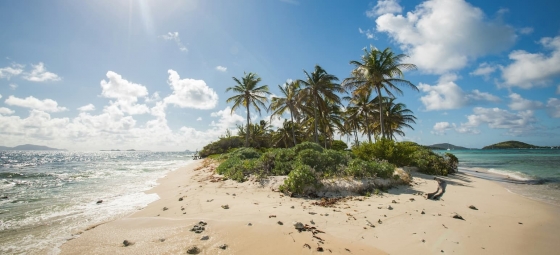
 10 Hidden gems in Asia you need to visit
Explore 10 hidden gems in Asia offering authentic experiences, from pristine beaches and remote islands to cultural treks and peaceful mountain villages.
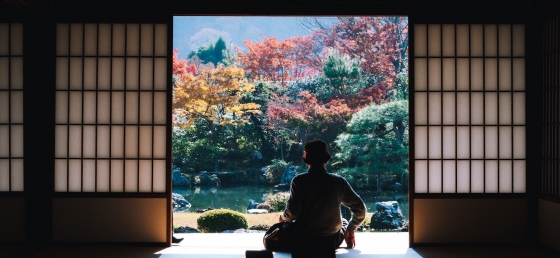
 Chase the autumn leaves in Japan
Japan is one of these cases which turns into a gold, yellow and orange fairy tale starting from September. And we can honestly say: We cannot imagine a more beautiful season to visit Japan.

 The 10 Most Exquisite Beaches in the Philippines
Explore the top 10 breathtaking beaches in the Philippines, from serene Nacpan Beach to volcanic Camiguin Island, in our detailed guide.