
















 Iceland Airwaves Festival
On its way to its 20th edition in 2019 Iceland Airwaves is a festival you need to visit once in your life. Everything from lagoons and bookstores to bars and concert halls is filled with music.
This page shows both the average monthly rainfall and the number of rainy days in Fjall, South Iceland, Iceland. Long-term data from 1990 to 2020 was used to calculate these averages. Now, let's explore all the details to give you a full picture.
Fjall is known for its substantial rain/snowfall, with annual precipitation reaching 1768 mm (70 in). While the overall climate is wet, there are notable seasonal patterns that create interesting contrasts, as demonstrated in our graph below.
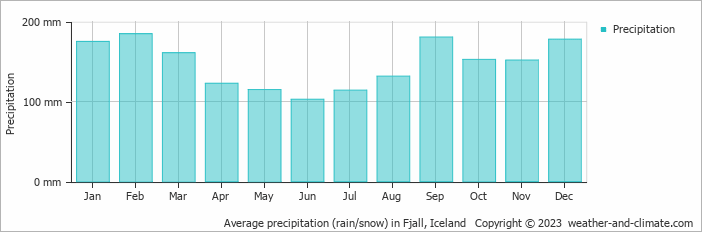
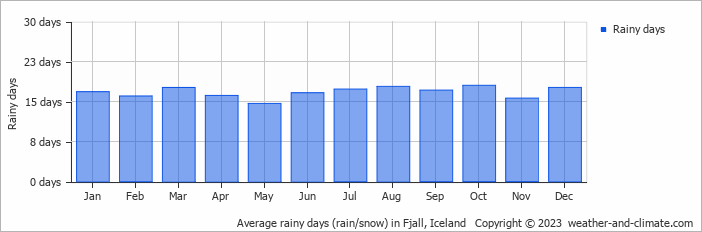
Fjall offers a pleasant mix of wetter and slightly drier months. The difference in precipitation between February (185 mm (7.3 in)) and June (103 mm (4.1 in)) is not too significant, making the climate enjoyable for visitors and residents alike.
February, the wettest month, has a maximum daytime temperature of 4°C (39°F). The city receives 60 hours of sunshine in this period. During the driest month June you can expect a temperature of 14°C (57°F). For more detailed insights into the city's temperatures, visit our Fjall Temperature page.
The map below shows the annual precipitation across Iceland. You can also select the different months in case you are interested in a specific month.
Fjall's average annual precipitation is 1768 mm (70 in). Let's compare this to some popular worldwide tourist destinations:
New York City, USA, receives 1276 mm (50 in) of rainfall annually, with precipitation evenly distributed throughout the year.
Osaka, Japan, experiences 1507 mm (59 in) of rainfall annually, spread across the year with wetter summers.
In Tokyo, Japan, the average annual precipitation is 1528 mm (60 in), with significant summer rains due to typhoon season.
Ho Chi Minh City, Vietnam, receives 1955 mm (77 in) of annual rainfall, with a pronounced wet season from May to November, typical of its tropical monsoon climate.
Precipitation amounts are measured using specific gauges installed at weather stations, collecting both rain and snow and any other type of precipitation. Rainfall is measured directly in millimeters, while that from snow and ice is obtained by melting it. Automated systems often incorporate heaters to make this easier.
Information from these stations is transmitted via Wi-Fi, satellite, GPS, or telephone connections to central monitoring networks. This information is immediately updated and integrated into weather models and forecasts.
Climate change is affecting precipitation patterns worldwide, including Fjall:
For more detailed information about Fjall's weather, including sunshine hours, humidity levels, and temperature data, visit our Fjall Climate page.
Pick a month to see the average temperature, rainfall and sunshine in Fjall - and find the best time to visit.
Temperature Rainfall Sunshine Humidity
See the full Fjall climate overview or explore weather in Iceland.
Where to go in October - average daytime high across popular destinations.
Keflavík 8°C (46°F) Hella9°C (48°F) Selfoss
 8°C (46°F) Kópavogur8°C (46°F) Höfn7°C (45°F) Reykjavík8°C (46°F) Egilsstadir5°C (41°F) Akureyri4°C (39°F)
 Need travel inspiration? Check out our bucket list articles and be inspired.
Iceland Airwaves Festival
On its way to its 20th edition in 2019 Iceland Airwaves is a festival you need to visit once in your life. Everything from lagoons and bookstores to bars and concert halls is filled with music.
 Where to stay in Iceland: Nordic idyll that feels like home
If you are travelling to Iceland for the first time, the Golden Circle will probably make it onto your bucket list. Geysir Hestar is located right in between two spectacular sights of the Golden Circle.
 See the northern lights
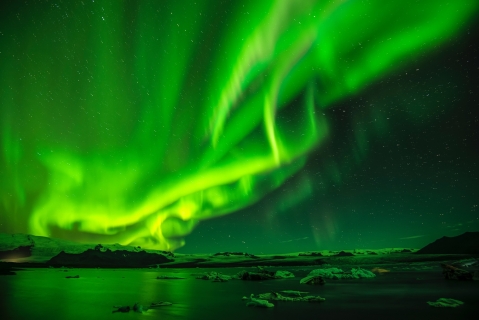
The northern lights, polar light or Aarora Borealis is a true spectacle of nature! Green, sometimes purple, red and yellow streaks of light colors the dark skies.
 The 10 most charming villages in France
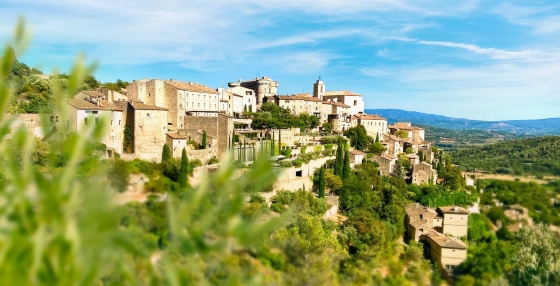
Discover France's top 10 beautiful villages. From Normandy to the Côte d'Azur, experience quaint squares and cobbled streets. Which one will you visit this summer?