














 One of the most beautiful areas of Taiwan
Taroko National Park in Taiwan is a must see! Expect fantastic gorges, marble cliffs, waterfalls and an abundance of hiking trails.
Average temperatures, rainfall, sunshine and the best time to visit Sanzhi.
 –
Sanzhi, in New Taipei City, Taiwan, experiences a humid subtropical climate with significant seasonal temperature variation. The area has very warm, humid summers and pleasant, mild winters with the region receiving substantial rainfall throughout the year, particularly during the monsoon season from May to September.
This coastal district attracts visitors with its unique UFO-shaped pod houses, an abandoned futuristic housing project that has become a cult architectural landmark. Let's now guide you through the climate details for a complete overview on the best time to visit.
Pick a month to see the average temperature, rainfall and sunshine in Sanzhi - and find the best time to visit.
In Sanzhi, temperatures differ significantly between summer and winter months. Average daytime temperatures reach a very warm 32°C (90°F) in July. In January, the coolest month of the year, temperatures drop to a pleasant 19°C (66°F).
At night, temperatures range from around 27°C (81°F) in July to 14°C (57°F) in January.
Check out our detailed temperature page for more information.

Sanzhi experiences significant rainfall throughout the year, averaging 1775 mm (70 in) of precipitation annually. Sanzhi experiences moderate seasonal variation in rainfall, with monthly averages ranging from 206 mm (8.1 in) in August, the wettest month, and 108 mm (4.3 in) in January, the driest month. For more details, please visit our Sanzhi Precipitation page.


Sanzhi can be enjoyed more throughout the sunniest month of August under a blue sky, with approximately 6.3 hours of sunshine daily. In contrast, the city experiences much darker days in January, with only 2.5 hours of sunlight per day.
Visit our detailed sunshine hours page for more information.

The relative humidity is high throughout the year in Sanzhi.
The city experiences its highest humidity in February, reaching 78%. In July, the humidity drops to its lowest level at 70%. What does this mean? Read our detailed page on humidity levels for further details.

Monthly ratings reflect general weather comfort, based on daytime temperature and rainfall. Swimming and winter conditions are highlighted separately where relevant.
March, April, May, October, November and December typically offer the most optimal weather in Sanzhi. In contrast, August and September tend to have less optimal conditions. Sanzhi has very warm summers and pleasant winters.
Daytime highs range from 19°C (66°F) in January to 32°C (90°F) in July. Nighttime lows range from 14°C (57°F) to 27°C (81°F). Temperatures vary considerably through the year.
Annual rainfall is around 1775 mm (70 in). August is the wettest month with 206 mm (8.1 in), while January is the driest with 108 mm (4.3 in).
Sanzhi receives around 1,404 hours of sunshine per year. August is the sunniest month with 188 hours, while January is the cloudiest with just 76 hours.
Sanzhi is highlighted - select any city to see its climate.
Where to go in October - average daytime high across popular destinations.
Kaohsiung 30°C (86°F) Taichung29°C (84°F) Kenting National Park
 28°C (82°F) Taipei
 27°C (81°F) Magong City
 27°C (81°F) Wujie26°C (79°F) Taitung City26°C (79°F) Hualien City25°C (77°F)
Need travel inspiration? Check out our bucket list articles and be inspired.
One of the most beautiful areas of Taiwan
Taroko National Park in Taiwan is a must see! Expect fantastic gorges, marble cliffs, waterfalls and an abundance of hiking trails.
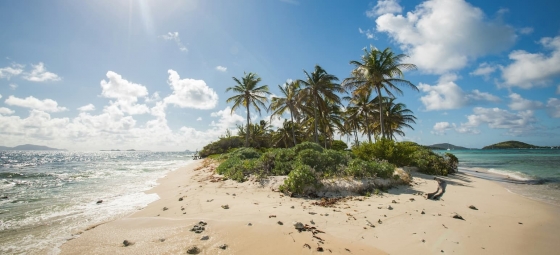
 10 Hidden gems in Asia you need to visit
Explore 10 hidden gems in Asia offering authentic experiences, from pristine beaches and remote islands to cultural treks and peaceful mountain villages.
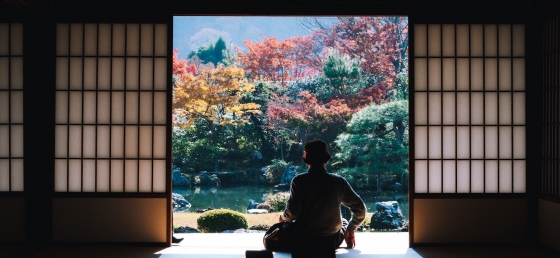
 Chase the autumn leaves in Japan
Japan is one of these cases which turns into a gold, yellow and orange fairy tale starting from September. And we can honestly say: We cannot imagine a more beautiful season to visit Japan.

 The 10 Most Exquisite Beaches in the Philippines
Explore the top 10 breathtaking beaches in the Philippines, from serene Nacpan Beach to volcanic Camiguin Island, in our detailed guide.