















 Iceland Airwaves Festival
On its way to its 20th edition in 2019 Iceland Airwaves is a festival you need to visit once in your life. Everything from lagoons and bookstores to bars and concert halls is filled with music.
Average temperatures, rainfall, sunshine and the best time to visit Blaskogabyggo.
 –
–
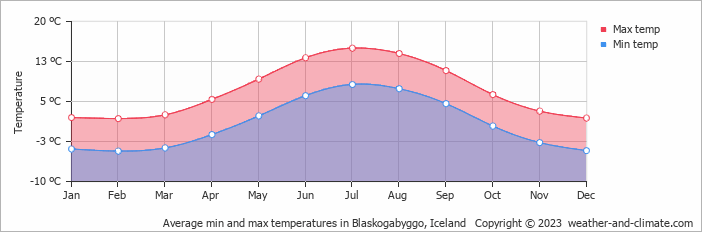
The climate in Blaskogabyggo, Iceland, is marked by large temperature swings across the seasons, ranging from 15°C (59°F) in July to 2°C (36°F) in February.
Rain/snowfall is high, totalling around 1865 mm (73 in) per year. February is the wettest month and June the driest. The city also experiences a distinct rainy season from December to March, with mild summers and very cold winters. May is the sunniest month, averaging 6.7 hours of sunshine per day.
Pick a month to see the average temperature, rainfall and sunshine in Blaskogabyggo - and find the best time to visit.
In Blaskogabyggo, temperatures differ significantly between summer and winter months. Average maximum daytime temperatures range from a moderate 15°C (59°F) in July, the warmest time of the year, to a very cold 2°C (36°F) during cooler months like February.
At night, you can expect temperatures ranging from 8°C (46°F) in July to around -4°C (25°F) during February.
Check out our detailed temperature page for more information.
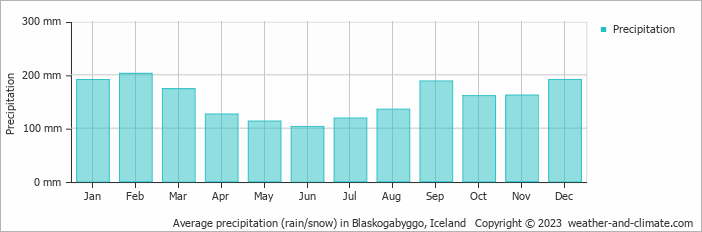
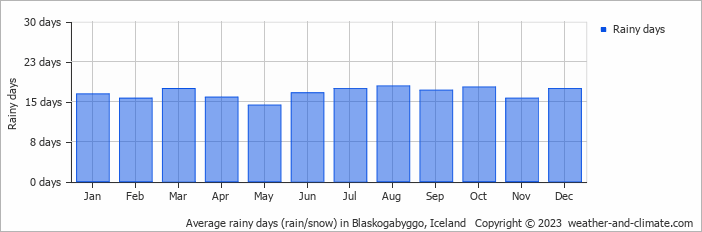
Blaskogabyggo experiences significant rain/snowfall throughout the year, averaging 1865 mm (73 in) of precipitation annually. While snow/rainfall varies throughout the year, each season offers its own charm. February brings wetter days averaging 203 mm (8 in) of precipitation, spread over 16 snowy/rainy days.
In contrast, the driest month June experiences a drier climate, with about 103 mm (4.1 in) of rainfall spread across 17 rainy days. For more details, please visit our Blaskogabyggo Precipitation page.
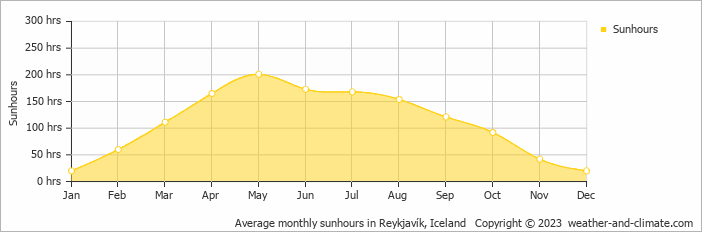
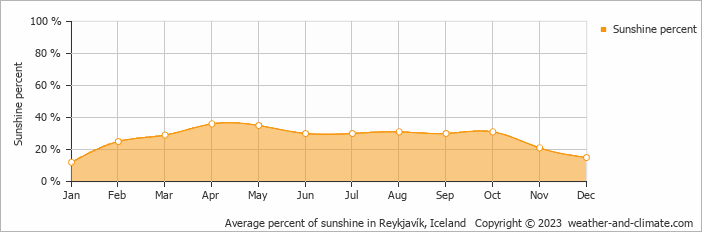
Seasonal changes in sunshine hours are quite dramatic in Blaskogabyggo. While May receives considerable daily sunshine with up to 6.7 hours, January marks the darkest time of the year, where sunshine is scarce with only 0.7 hours of sunlight per day.
Visit our detailed sunshine hours page for more information.
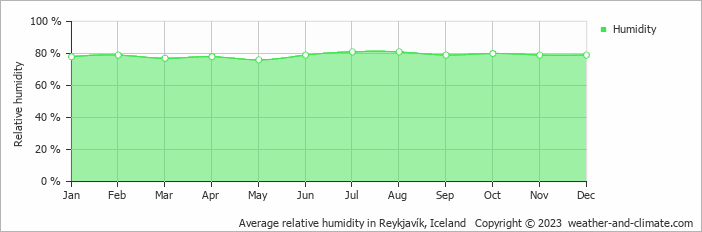
The relative humidity is high throughout the year in Blaskogabyggo.
The city experiences its highest humidity in July, reaching 81%. In May, the humidity drops to its lowest level at 76%. What does this mean? Read our detailed page on humidity levels for further details.
Monthly ratings reflect general weather comfort, based on daytime temperature and rainfall. Swimming and winter conditions are highlighted separately where relevant.
July and August typically offer the most optimal weather in Blaskogabyggo. In contrast, January, February, March, April, May, June, September, October, November and December tend to have less optimal conditions. Blaskogabyggo has a distinct rainy season from December to March, with mild summers and very cold winters.
Daytime highs range from 2°C (36°F) in February to 15°C (59°F) in July. Nighttime lows range from -4°C (25°F) to 8°C (46°F). Temperatures vary considerably through the year.
Annual rainfall is around 1865 mm (73 in). February is the wettest month with 203 mm (8 in), while June is the driest with 103 mm (4.1 in). In the coldest months, precipitation may fall as snow/rain.
Blaskogabyggo receives around 1,327 hours of sunshine per year. May is the sunniest month with 201 hours, while January is the cloudiest with just 20 hours.
Blaskogabyggo is highlighted - select any city to see its climate.
Where to go in October - average daytime high across popular destinations.
Keflavík 8°C (46°F) Hella9°C (48°F) Selfoss
 8°C (46°F) Kópavogur8°C (46°F) Höfn7°C (45°F) Reykjavík8°C (46°F) Egilsstadir5°C (41°F) Akureyri4°C (39°F)
 Need travel inspiration? Check out our bucket list articles and be inspired.
Iceland Airwaves Festival
On its way to its 20th edition in 2019 Iceland Airwaves is a festival you need to visit once in your life. Everything from lagoons and bookstores to bars and concert halls is filled with music.
 Where to stay in Iceland: Nordic idyll that feels like home
If you are travelling to Iceland for the first time, the Golden Circle will probably make it onto your bucket list. Geysir Hestar is located right in between two spectacular sights of the Golden Circle.
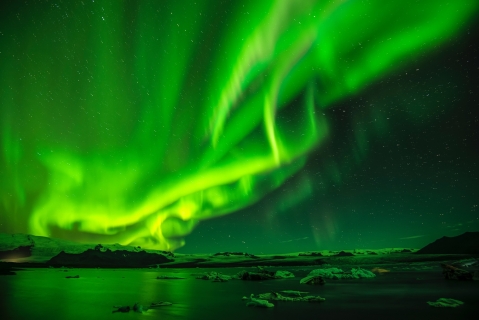
 See the northern lights
The northern lights, polar light or Aarora Borealis is a true spectacle of nature! Green, sometimes purple, red and yellow streaks of light colors the dark skies.
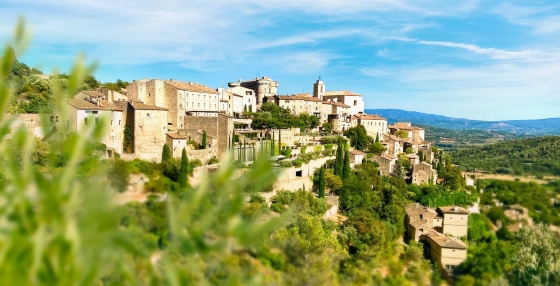
 The 10 most charming villages in France
Discover France's top 10 beautiful villages. From Normandy to the Côte d'Azur, experience quaint squares and cobbled streets. Which one will you visit this summer?