













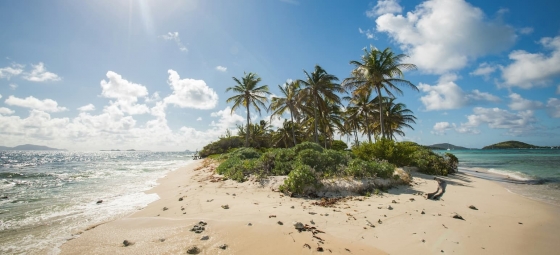
 10 Hidden gems in Asia you need to visit
Explore 10 hidden gems in Asia offering authentic experiences, from pristine beaches and remote islands to cultural treks and peaceful mountain villages.
Average temperatures, rainfall, sunshine and the best time to visit Ban Tayun.
 –
10-day forecastForecast
With consistently stable weather, Ban Tayun, Laos, sees little seasonal temperature change. Daytime highs average 29°C (84°F), ranging from 32°C (90°F) in April to 28°C (82°F) in December.
With around 2562 mm (101 in) of annual rainfall, Ban Tayun has a notably wet climate. However, this rainfall is not evenly distributed, the city has distinct dry (December to January) and wet (April to October) seasons. The wettest month is August. The sunniest month is January, with 9.1 hours of sunshine per day on average.
Pick a month to see the average temperature, rainfall and sunshine in Ban Tayun - and find the best time to visit.
The climate in Ban Tayun remains fairly constant, offering comfortable temperatures throughout the year. Average daytime temperatures reach a very warm 32°C (90°F) in April. In December, the coolest month of the year, temperatures drop to a comfortable 28°C (82°F).
At night, temperatures range from around 22°C (72°F) in April to 16°C (61°F) in December.
Check out our detailed temperature page for more information.

Ban Tayun is known for its substantial rainfall, with annual precipitation reaching 2562 mm (101 in). Ban Tayun can be quite wet during August, receiving approximately 424 mm (17 in) of precipitation over 28 rainy days.
In contrast, during the driest month (January), you will experience much drier conditions, with 21 mm (0.8 in) of precipitation spread across 4 rainy days. For more details, please visit our Ban Tayun Precipitation page.


Ban Tayun can be enjoyed more throughout the sunniest month of January under a blue sky, with approximately 9.1 hours of sunshine daily. In contrast, the city experiences much darker days in August, with only 4.3 hours of sunlight per day.
Visit our detailed sunshine hours page for more information.

The relative humidity is high throughout the year in Ban Tayun.
The city experiences its highest humidity in August, reaching 85%. In March, the humidity drops to its lowest level at 59%. What does this mean? Read our detailed page on humidity levels for further details.

Monthly ratings reflect general weather comfort, based on daytime temperature and rainfall. Swimming and winter conditions are highlighted separately where relevant.
January, November and December typically offer the most optimal weather in Ban Tayun. In contrast, April, May, June, July, August and September tend to have less optimal conditions. Ban Tayun has distinct dry (December to January) and wet (April to October) seasons.
Daytime highs range from 28°C (82°F) in December to 32°C (90°F) in April. Nighttime lows range from 16°C (61°F) to 22°C (72°F). Temperatures stay relatively stable year-round.
Annual rainfall is around 2562 mm (101 in). August is the wettest month with 424 mm (17 in), while January is the driest with 21 mm (0.8 in).
Ban Tayun receives around 2,421 hours of sunshine per year. January is the sunniest month with 272 hours, while August is the cloudiest with just 128 hours. Overall, Ban Tayun enjoys abundant sunshine.
Ban Tayun is highlighted - select any city to see its climate.
Where to go in October - average daytime high across popular destinations.
 Thakhek
 32°C (90°F) Ban Dondét
 33°C (91°F) Vientiane33°C (91°F) Savannakhet32°C (90°F) Pakse31°C (88°F) Vang Vieng
 30°C (86°F) Luang Prabang
 30°C (86°F) Louang Namtha29°C (84°F)
Need travel inspiration? Check out our bucket list articles and be inspired.
10 Hidden gems in Asia you need to visit
Explore 10 hidden gems in Asia offering authentic experiences, from pristine beaches and remote islands to cultural treks and peaceful mountain villages.
 Top 5 sacred sites in Laos
Explore Laos's spiritual heritage with our guide to the top 5 sacred sites, from mystic temples to Buddha-filled caves.
 Wat Phou: Ancient Khmer Temples in Southern Laos
The ancient Khmer temples of Wat Phou in Laos: stunning views, rich history, a unique journey along the Mekong River. Best time to visit: Nov–Feb.
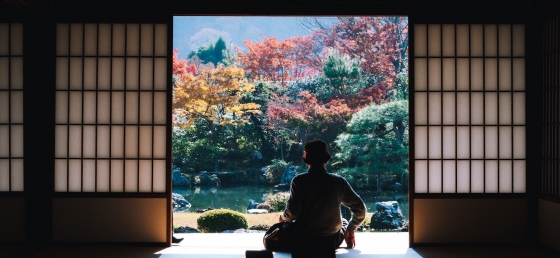
 Chase the autumn leaves in Japan
Japan is one of these cases which turns into a gold, yellow and orange fairy tale starting from September. And we can honestly say: We cannot imagine a more beautiful season to visit Japan.