 Botswana
 The Okavango Delta is one of the Seven Natural Wonders of Africa and will be an absolute highlight if you travel to Botswana in Africa. The rich vegetation on the many islands in the delta makes this area an ideal habitat for hippos, elephants, lions and many bird species. You can even find the famous big 5 here. The unique location, the peace and beauty in combination with excellent game viewing makes this a bucket list destination you will never forget.
The Okavango Delta is a swamp area that is fed by the Okavango River. It is a beautiful expansive area full of waterways, lily-filled lagoons and forested islands that occupies around 15,000 square kilometers. This makes it the largest delta in the world. The Delta is located in the north of Botswana, in the middle of the swamp area in the Kalahari. The Okavango River is 1,600 kilometers long. This river starts in the highlands of Angola and ends in the Kalahari area. The delta area has a reversed season; during the dry season the water is highest and vice versa.
There are different ways to enjoy the Okavango. A walking safari through the Okavango Delta is a unique and exciting experience. During the safari you can come face to face with elephants, lions and buffaloes. Somewhat quieter is a boat safari. Sail through the tall grass and enjoy the tranquility and vastness of the unique area. We recommend staying at least two or three days so that you can spend one or two nights in the area. If you decide to stay for several days, you can camp on one of the safer islands of the Delta. At night it is compulsory to keep a campfire burning to keep wild animals away.
Where to stay
A great base to explore the Delta is the Thamalakane River Lodge. This eco-friendly lodge features comfortable thatched-roof bungalows positioned right on the banks of the Thamalakane River, offering guests stunning water views and easy access to delta excursions. The lodge provides mokoro (traditional dugout canoe) trips, game drives, and boat safaris directly from their location. The on-site restaurant serves both international and local cuisine with panoramic river views, while the lodge also offers a swimming pool, bar area, and guided nature walks.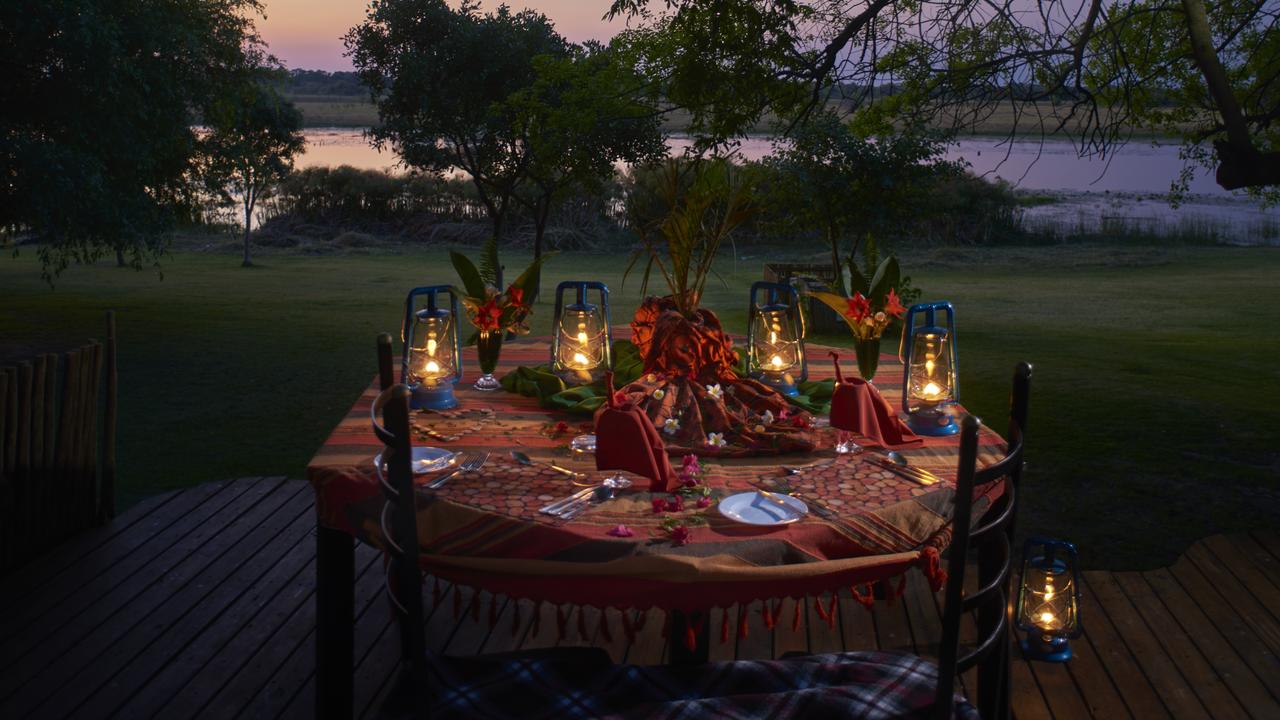
As you can see from the image, the setting is truly spectacular with the restaurant terrace overlooking the river where you can often spot wildlife coming to drink. On booking.com they receive an average rating of 8.5, praised particularly for its location, friendly staff, and authentic safari experience.
Best time to visit
The Okavango Delta can be visited year-round, with each season offering distinct advantages. The wet season (November to April) brings the annual rains, transforming the landscape into a lush green paradise. During this time, temperatures range from 20-30°C (68-86°F), with afternoon thunderstorms common from December to March. This is breeding season for many animals, meaning you'll see adorable baby elephants, antelope, and other wildlife. However, some areas may be inaccessible due to flooding, and the humidity can be quite high.
The dry season (May to October) is considered the peak visiting period and ideal for first-time visitors. From May to August, daytime temperatures are pleasant at 20-25°C (68-77°F), though nights can be chilly at 5-10°C (41-50°F) - pack warm layers! September and October see temperatures rising to 25-35°C (77-95°F) but remain dry. During these months, animals concentrate around permanent water sources, making wildlife viewing exceptional. The lack of dense vegetation also means better photography opportunities and easier game spotting.
For birdwatchers, November to April is paradise, as hundreds of migratory species arrive to breed, including carmine bee-eaters, red-billed queleas, and various raptors. For photographers and wildlife enthusiasts, June to September offers the best conditions with clear skies, comfortable temperatures, and excellent animal concentrations. Click here for detailed monthly weather information in Maun.