















 Yosemite National Park is definitely worth a visit
Vast forests, blue lakes, towering sequoias, and majestic waterfalls hint at the beauty of Yosemite National Park—a true natural masterpiece.
Sunshine plays a big role in understanding the climate of a city. This page shows the total number of hours of direct sunlight per month and the average hours per day in Florida City, Florida, United States of America. This average is based on long-term data collected between 1990 and 2020.
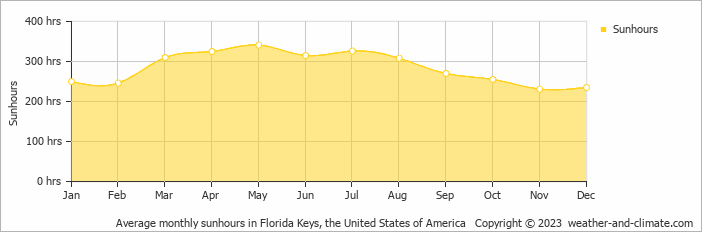
Florida City Nusa Penida experiences both sunny and cloudy or rainy periods, with some seasonal variation. It receives approximately 341 hours of sunshine in May and 231 hours in November, contributing to a total annual sunshine amount of 3412 hours.
This means you can enjoy sunny spells year-round. May sees up to 11.4 hours of daily sunshine, perfect for a sunny trip. November, the least sunny month, still offers a generous 7.7 hours of sun despite this cloudier / rainier time of the year.
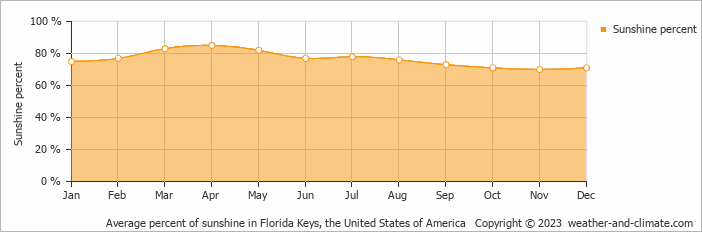
On average the sun shines 85% of the time during the day in April, the highest percentage of any month. November has the lowest percentage at 70%.
Florida City enjoys an average of 3412 hours of sunshine annually. Let’s compare this with some popular tourist destinations:
The city of Rome, Italy, experiences 2470 hours of sunshine annually, adding to its charm as a year-round tourist destination.
In contrast, London, UK, receives only about 1659 hours of sunshine per year, known for its frequently overcast and rainy skies.
Osaka, Japan, experiences 2010 hours of sunshine annually, with bright, sunny weather in spring and autumn.
Adelaide, Australia, enjoys 2770 hours of sunshine annually, with long, sunny summers.
September, Florida City’s wettest month, receives 201 mm (7.9 in) of rainfall and has a maximum daytime temperature of 32°C (90°F). During the driest month January you can expect a temperature of 25°C (77°F).
For more detailed insights into the city’s temperatures, check out our Temperature page. To explore more about precipitation patterns, visit our Florida City Precipitation page.
Pick a month to see the average temperature, rainfall and sunshine in Florida City - and find the best time to visit.
Temperature Rainfall Sunshine Humidity
See the full Florida City climate overview or explore weather in the United States of America.
Where to go in October - average daytime high across popular destinations.
Miami Beach 29°C (84°F) Orlando
 29°C (84°F) Kissimmee
 29°C (84°F) Destin26°C (79°F) Los Angeles24°C (75°F) New York City19°C (66°F) Big Bear Lake19°C (66°F)
 Need travel inspiration? Check out our bucket list articles and be inspired.
Yosemite National Park is definitely worth a visit
Vast forests, blue lakes, towering sequoias, and majestic waterfalls hint at the beauty of Yosemite National Park—a true natural masterpiece.
 The 10 most alternative cities in the United States
Discover the top 10 fun and alternative U.S. cities rich in art, culture, and adventure. From Portland's hippy charm to Sedona's stunning landscapes.
 Sedona: Explore Majestic Red Rock Landscapes
A picturesque artists' town surrounded by red rocks and known for its spirituality, vortex energy, and stunning hikes like Cathedral Rock.
 10 most idyllic villages to visit in the United States
Discover 10 idyllic villages in the USA, from California to Vermont. Explore their unique charm, rich history, stunning nature, and vibrant arts scenes.