















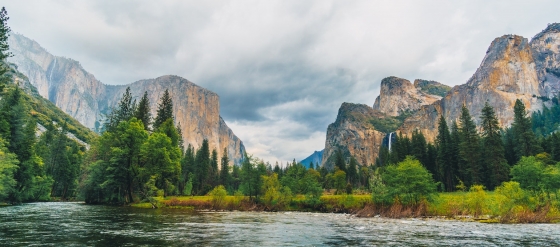
 Yosemite National Park is definitely worth a visit
Vast forests, blue lakes, towering sequoias, and majestic waterfalls hint at the beauty of Yosemite National Park—a true natural masterpiece.
Average temperatures, rainfall, sunshine and the best time to visit Manassas.
 –
The climate in Manassas, Virginia, United States of America, is marked by large temperature swings across the seasons, ranging from 31°C (88°F) in July to 6°C (43°F) in January.
The city has a wet climate, receiving around 1153 mm (45 in) of rain/snowfall per year. Despite the high annual total, it has very warm summers and cold winters. May is the wettest month. Sunshine peaks in June, when the city sees around 9.4 hours of sunshine per day.
Pick a month to see the average temperature, rainfall and sunshine in Manassas - and find the best time to visit.
In Manassas, temperatures differ significantly between summer and winter months. On average, daytime temperatures range from a very warm 31°C (88°F) in July to a chilly 6°C (43°F) in January.
Nighttime temperatures range from 20°C (68°F) in July to -5°C (23°F) in January.
Check out our detailed temperature page for more information.

Manassas experiences significant rain/snowfall throughout the year, averaging 1153 mm (45 in) of precipitation annually. The amount of precipitation varies moderately throughout the year. The wettest month, May, sees around 132 mm (5.2 in) of rainfall, perfect for those who enjoy a bit of rain now and then. The driest month, February, still receives a respectable 62 mm (2.4 in) of rainfall. For more details, please visit our Manassas Precipitation page.


In Manassas, summer days are longer and more sunny, with daily sunshine hours peaking at 9.4 hours in June. As the darker season arrives, the brightness of the sun becomes less. December sees a soft sun for only 4.3 hours per average day.
Visit our detailed sunshine hours page for more information.


The relative humidity is high throughout the year in Manassas.
The city experiences its highest humidity in August, reaching 69%. In March, the humidity drops to its lowest level at 58%. What does this mean? Read our detailed page on humidity levels for further details.

Monthly ratings reflect general weather comfort, based on daytime temperature and rainfall. Swimming and winter conditions are highlighted separately where relevant.
April typically offers the most optimal weather in Manassas. In contrast, January, February and December tend to have less optimal conditions. Manassas has very warm summers and cold winters.
Daytime highs range from 6°C (43°F) in January to 31°C (88°F) in July. Nighttime lows range from -5°C (23°F) to 20°C (68°F). Temperatures vary considerably through the year.
Annual rainfall is around 1153 mm (45 in). May is the wettest month with 132 mm (5.2 in), while February is the driest with 62 mm (2.4 in).
Manassas receives around 2,520 hours of sunshine per year. June is the sunniest month with 282 hours, while December is the cloudiest with just 130 hours. Overall, Manassas enjoys abundant sunshine.
Manassas is highlighted - select any city to see its climate.
Where to go in October - average daytime high across popular destinations.
Miami Beach 29°C (84°F) Orlando29°C (84°F) Kissimmee
 29°C (84°F) Destin26°C (79°F) Los Angeles24°C (75°F) New York City19°C (66°F) Big Bear Lake19°C (66°F)
Need travel inspiration? Check out our bucket list articles and be inspired.
Yosemite National Park is definitely worth a visit
Vast forests, blue lakes, towering sequoias, and majestic waterfalls hint at the beauty of Yosemite National Park—a true natural masterpiece.
 The 10 most alternative cities in the United States
Discover the top 10 fun and alternative U.S. cities rich in art, culture, and adventure. From Portland's hippy charm to Sedona's stunning landscapes.
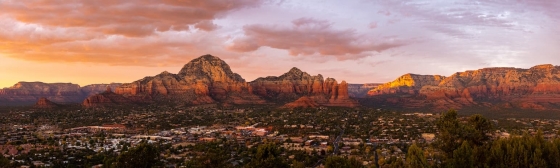 Sedona: Explore Majestic Red Rock Landscapes
A picturesque artists' town surrounded by red rocks and known for its spirituality, vortex energy, and stunning hikes like Cathedral Rock.
 10 most idyllic villages to visit in the United States
Discover 10 idyllic villages in the USA, from California to Vermont. Explore their unique charm, rich history, stunning nature, and vibrant arts scenes.