January Rainfall and Precipitation in Vienna (state)
Vienna (state) Weather by Month
Pick a month to see the average temperature, rainfall and sunshine in Vienna (state) - and find the best time to visit. See also: Vienna (state) weather by month.




Best Places to Visit in Vienna (state) in January
Click on a destination dot for more details. Toggle the map to compare temperatures or precipitation across Vienna (state).
Monthly precipitation
0 mm (0 in) dry → 150 mm (5.9 in) wet
Marker color shows total monthly precipitation in January: pale blue is dry, deep blue is wet.
Vienna (state) precipitation in January: frequently asked questions
How much snow/rainfall does Vienna (state), Austria receive in January?
Vienna stays mostly dry in January, with average snow/rainfall close to 40 mm (1.6 in).
How many days does it rain in Vienna (state), Austria in January?
Expect around 14 days rainy days in Vienna during January.
Is January part of the rainy season in Vienna (state), Austria?
January is generally a drier month for Vienna (state), Austria, falling outside the main rainy season.
Interested in more climate information?
We have much more information about the climate in Vienna (state).
Weather and climate has detailed information for every country in the world. Are you going to Austria? Get detailed historical weather averages for many cities in Austria.
Not sure yet where to go? We now have a tool which recommends destinations that suit your ideal travel conditions. Find out where to go with our weather planner.
Bucket list
Need travel inspiration? Check out our bucket list articles and be inspired.

 Ski Arlberg is the snow mecca of the Alps
Ski Arlberg is one of the most extensive and snow-sure ski resorts in Austria. In this area you will find challenging slopes, bustling après-ski and a combination of sporty and traditional villages.
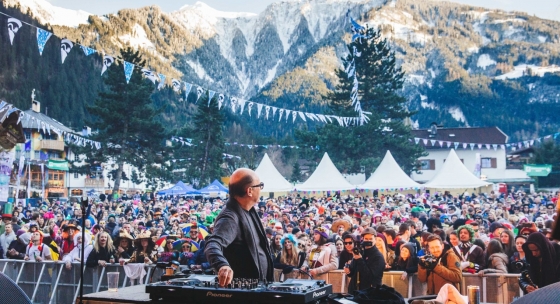 Snowbombing Festival in Austria
Snowbombing Festival in Austria. Imagine that you can combine your favorite festival with all the benefits of a winter sports holiday.
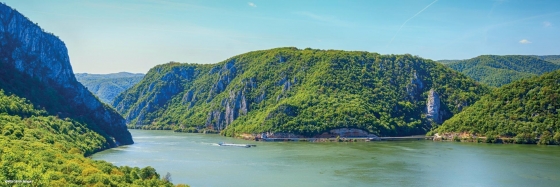 Cycle the Danube trail
The Danube cycle route is one of the most popular cycling routes in Europe, and rightly so, because it is a varied route that is interesting both in terms of culture and nature.