


















 Hike the South West Coast Path
The South West Coast Path means breathtaking nature, kind people and delicious food everywhere you go. It is an unforgettable experience and you need to add it to your bucket list.
To truly understand a climate, we must look at its sunshine. This page shows the total number of hours of direct sunlight per month and the average hours per day in Port Seton, Lothian, United Kingdom. Long-term data from 1990 to 2020 was used to calculate these averages.
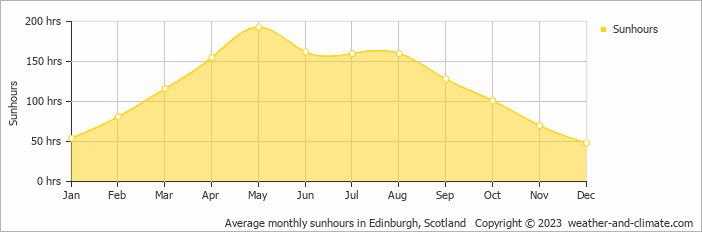
Sunshine in Port Seton varies greatly throughout the year. The sunniest month, May, reaches an impressive 193 hours, while December, the darkest month, offers only 48 hours. The total annual amount of sun is 1428 hours.
Seasonal changes in sunshine hours are quite obvious in Port Seton. While May receives considerable daily sunshine with up to 6.4 hours, December marks the darkest time of the year, where sunshine is scarce with only 1.6 hours of sunlight per day.
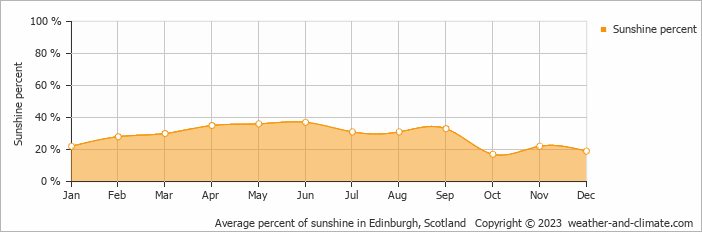
On average the sun shines 37% of the time during the day in June, the highest percentage of any month. October has the lowest percentage at 17%.
Port Seton enjoys an average of 1428 hours of sunshine annually. Let’s compare this with some popular tourist destinations:
Seville, Spain, enjoys an impressive 2920 hours of sunshine per year, making it an ideal destination even in winter.
In contrast, Juneau, Alaska, receives only about 1523 hours of sunshine per year and is known for its very short days in winter and frequently overcast conditions.
In Shanghai, China, the annual average sunshine is 1780 hours, with cloudier weather in summer.
In Brisbane, Australia, the annual sunshine averages 2999 hours, making it one of Australia’s sunniest cities.
October, Port Seton’s wettest month, receives 85 mm (3.3 in) of rainfall and has a maximum daytime temperature of 13°C (55°F). During the driest month April you can expect a temperature of 11°C (52°F).
For more detailed insights into the city’s temperatures, check out our Temperature page. To explore more about precipitation patterns, visit our Port Seton Precipitation page.
Pick a month to see the average temperature, rainfall and sunshine in Port Seton - and find the best time to visit.
Temperature Rainfall Sunshine Humidity Wind Speed Water Temp
See the full Port Seton climate overview or explore weather in the United Kingdom.
Where to go in October - average daytime high across popular destinations.
London 16°C (61°F) Bath15°C (59°F) Torquay16°C (61°F) Manchester14°C (57°F) York15°C (59°F) Blackpool
 15°C (59°F) Edinburgh13°C (55°F) Glasgow14°C (57°F)
 Need travel inspiration? Check out our bucket list articles and be inspired.
Hike the South West Coast Path
The South West Coast Path means breathtaking nature, kind people and delicious food everywhere you go. It is an unforgettable experience and you need to add it to your bucket list.
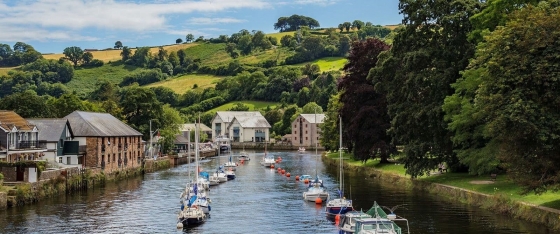 Welcome to Totnes, the hidden treasure of South Devon
Totnes is a place where historical richness fuses effortlessly with a vibrant alternative culture and breathtaking natural surroundings. The town pulses with an amazing community spirit that you'll feel around every corner.
 London's coolest neighborhoods you'll want to visit
Discover the 6 coolest neighborhoods in London for your trip! Explore vibrant Shoreditch, lively Soho, alternative Camden, and many more.
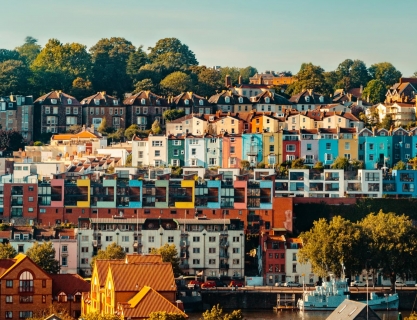 10 cities you should definitely visit in the UK
Discover the top 10 most fun and alternative cities in the UK, rich in art, culture, and adventure. Explore vibrant neighborhoods and unique places.