















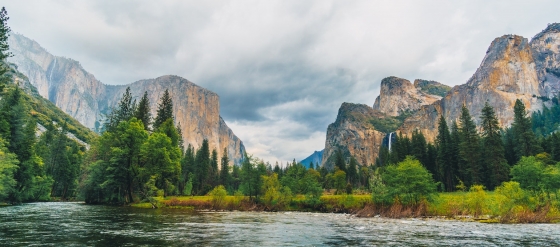
 Yosemite National Park is definitely worth a visit
Vast forests, blue lakes, towering sequoias, and majestic waterfalls hint at the beauty of Yosemite National Park—a true natural masterpiece.
This page shows both the average monthly rainfall and the number of rainy days in Hillsboro Beach, Florida, United States of America. These averages rely on historical data collected over 30 years, from 1990 to 2020. Now, let's explore all the details to give you a full picture.
Hillsboro Beach is known for its substantial rainfall, with annual precipitation reaching 1472 mm (58 in).


The climate in Hillsboro Beach shows significant variation throughout the year. Expect 217 mm (8.5 in) of precipitation during the wettest month September, distributed over 25 rainy days.
In contrast, January offers drier and sunnier days, with around 57 mm (2.2 in) of rainfall over 11 rainy days.
September, the wettest month, has a maximum daytime temperature of 31°C (88°F). The city receives 260 hours of sunshine in this period. During the driest month January you can expect a temperature of 24°C (75°F). For more detailed insights into the city's temperatures, visit our Hillsboro Beach Temperature page.
The map below shows the annual precipitation across the United States of America. You can also select the different months in case you are interested in a specific month.
Hillsboro Beach's average annual precipitation is 1472 mm (58 in). Let's compare this to some popular worldwide tourist destinations:
In Barcelona, Spain, the average annual precipitation is 620 mm (24 in), evenly distributed across the year with no extreme wet or dry seasons.
Osaka, Japan, experiences 1507 mm (59 in) of rainfall annually, spread across the year with wetter summers.
In Brisbane, Australia, the annual precipitation is 979 mm (39 in), making it wetter than Sydney.
Kuala Lumpur, Malaysia, receives 2529 mm (100 in) of annual rainfall, characteristic of its equatorial tropical rainforest climate, with consistent rainfall throughout the year and peak months during March and November.
Precipitation amounts are measured using specific gauges installed at weather stations, collecting both rain and snow and any other type of precipitation. Rainfall is measured directly in millimeters, while that from snow and ice is obtained by melting it. Automated systems often incorporate heaters to make this easier.
Information from these stations is transmitted via Wi-Fi, satellite, GPS, or telephone connections to central monitoring networks. This information is immediately updated and integrated into weather models and forecasts.
Climate change is affecting precipitation patterns worldwide, including Hillsboro Beach (FL):
For more detailed information about Hillsboro Beach (FL)'s weather, including sunshine hours, humidity levels, and temperature data, visit our Hillsboro Beach (FL) Climate page.
Pick a month to see the average temperature, rainfall and sunshine in Hillsboro Beach - and find the best time to visit.
Temperature Rainfall Sunshine Humidity
See the full Hillsboro Beach climate overview or explore weather in the United States of America.
Where to go in November - average daytime high across popular destinations.
Miami Beach 27°C (81°F) Orlando
 25°C (77°F) Kissimmee26°C (79°F) Destin21°C (70°F) Los Angeles22°C (72°F) Big Bear Lake14°C (57°F) New York City
 13°C (55°F)
Need travel inspiration? Check out our bucket list articles and be inspired.
Yosemite National Park is definitely worth a visit
Vast forests, blue lakes, towering sequoias, and majestic waterfalls hint at the beauty of Yosemite National Park—a true natural masterpiece.
 The 10 most alternative cities in the United States
Discover the top 10 fun and alternative U.S. cities rich in art, culture, and adventure. From Portland's hippy charm to Sedona's stunning landscapes.
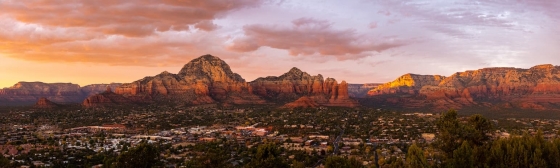 Sedona: Explore Majestic Red Rock Landscapes
A picturesque artists' town surrounded by red rocks and known for its spirituality, vortex energy, and stunning hikes like Cathedral Rock.
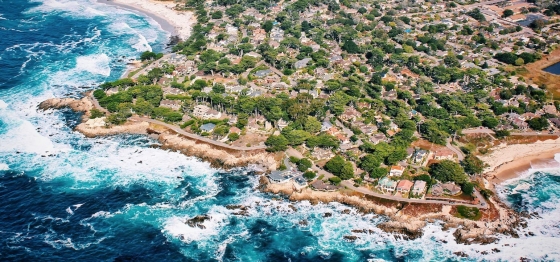 10 most idyllic villages to visit in the United States
Discover 10 idyllic villages in the USA, from California to Vermont. Explore their unique charm, rich history, stunning nature, and vibrant arts scenes.