


















 An alternative way to discover Sydney
We have made an overview of the sights in Sydney that you must see if you want to visit Sydney in an alternative way.
January in Albany brings high temperatures, with highs of 25°C (77°F) and nights dropping to 15°C (59°F). With excellent weather conditions overall, it's a good time to visit.
If you're a fan of comfortable temperatures and drier conditions, January is a great time to visit.
 Min Temperature
Max Temperature
Water Temperature
Min Temperature
Max Temperature
Water Temperature
 Chance of Rain
Precipitation
Rainy days
Chance of Rain
Precipitation
Rainy days
 Humidity
 Windspeed
 Sunshine
Percentage Sunshine
Sunshine
Percentage Sunshine
Pick a month to see the average temperature, rainfall and sunshine in Albany - and find the best time to visit.
51-year average (1976-2026)
Based on our historical records, temperatures in Albany typically stay consistent throughout January, with daily highs averaging around 25°C (77°F). Nights are pleasant, with lows around 14°C (57°F).
51-year average (1976-2026)
Average daily rainfall for each day of the month based on long-term records.
Browse day-by-day weather records for Albany spanning 51 years. Select any month and year to see actual temperatures, rainfall, and conditions recorded on each day.
Based on 49 years of weather observations in Albany between 1976 and 2025, these are the recorded extremes.
Find out more about the weather in Australia and which places have the best travel conditions in this month. See all of Australia in January →
Perfect weather is subjective. On this map perfect weather has been defined with temperatures between 20°C (68°F) and 29°C (84°F) and not too much precipitation (less than 90 mm (3.5 in) a month).
For Albany in January, you'll want flexible clothing. It's wise to pack cotton shirts, comfortable shorts, and a pair of jeans for cooler evenings. A light sweater or jacket is useful for air-conditioned spaces (like buses) or unexpected cool moments. Some rain is possible, so pack something to handle light showers. The water temperature sits at about 19°C (66°F), making it perfect for swimming and water activities. Don't forget to pack your favorite swimwear and perhaps some snorkel gear. You'll definitely want to pack sunglasses and sunscreen. There will be plenty of bright sunshine this month.
We rated the following activities from 1 (least suitable) to 10 (best) to do.


Temperature Rainfall Sunshine Humidity Wind Speed Water Temp
See the full Albany climate overview or explore weather in Australia.
Where to go in January - average daytime high across popular destinations.
Need travel inspiration? Check out our bucket list articles and be inspired.
An alternative way to discover Sydney
We have made an overview of the sights in Sydney that you must see if you want to visit Sydney in an alternative way.
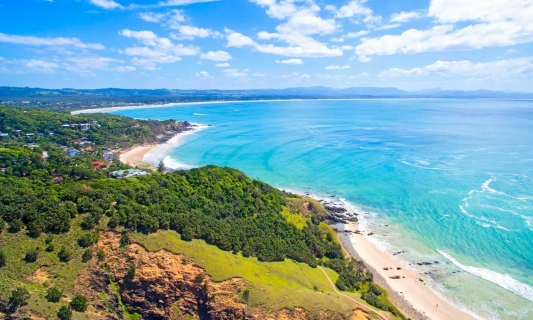 The most relaxed and alternative area of Australia is called the Byron Shire
The Byron Shire is one of the most pretty areas in the world. Not only in terms on natural beauty, also the relaxed vibe and people make this an area that remains close to your heart.
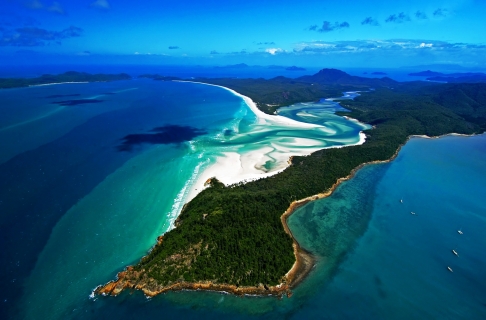 Sail the Whitsunday islands
The best travel period to sail the Whitsunday islands is “winter” between June and October, with pleasant temperatures around 23 degrees Celsius (74 Fahrenheit).
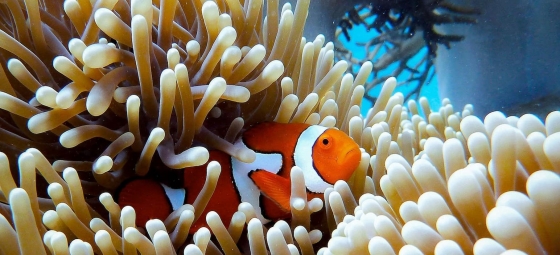 The best dive spots in Australia
Explore Australia's best dive spots: from the Great Barrier Reef to HMAS Perth. Discover vibrant corals, marine life, and historic wrecks.