


















 An alternative way to discover Sydney
We have made an overview of the sights in Sydney that you must see if you want to visit Sydney in an alternative way.
In Melbourne, July brings moderate daytime temperatures around 14°C (57°F), with nights cooling to 7°C (45°F). Some rainfall is to be expected.
If you prefer dry days with pleasant temperatures, July may not be the ideal month to visit Melbourne. Our weather planner can help you explore destinations with more pleasant weather conditions.
 Min Temperature
Max Temperature
Water Temperature
Min Temperature
Max Temperature
Water Temperature
 Chance of Rain
Precipitation
Rainy days
Chance of Rain
Precipitation
Rainy days
 Humidity
 Windspeed
 Sunshine
Percentage Sunshine
Sunshine
Percentage Sunshine
Pick a month to see the average temperature, rainfall and sunshine in Melbourne - and find the best time to visit.
50-year average (1976-2025)
Based on our historical records, temperatures in Melbourne typically stay consistent throughout July, with daily highs averaging around 14°C (57°F). Nights are cold, with lows around 6°C (43°F).
50-year average (1976-2025)
Average daily rainfall for each day of the month based on long-term records.
Browse day-by-day weather records for Melbourne spanning 51 years. Select any month and year to see actual temperatures, rainfall, and conditions recorded on each day.
Based on 50 years of weather observations (1976-2026), these are the most extreme conditions recorded in Melbourne.
Find out more about the weather in Australia and which places have the best travel conditions in this month. See all of Australia in July →
Perfect weather is subjective. On this map perfect weather has been defined with temperatures between 20°C (68°F) and 29°C (84°F) and not too much precipitation (less than 90 mm (3.5 in) a month).
The weather can swing between comfortable and chilly in July, so flexibility is key. Pack a variety of tops, at least one warm layer, and both shorts and long pants. This gives you options no matter what the day brings. Wet weather is likely, so pack waterproof gear for multiple rainy days. The water temperature sits at about 14°C (57°F), which is too chilly for most people to enjoy swimming. Leave the swimsuit at home unless you love cold water. It won't hurt to bring your sunglasses along, as you'll see some sunny periods.
We rated the following activities from 1 (least suitable) to 10 (best) to do.


Temperature Rainfall Sunshine Humidity Wind Speed Water Temp
See the full Melbourne climate overview or explore weather in Australia.
Where to go in July - average daytime high across popular destinations.
Need travel inspiration? Check out our bucket list articles and be inspired.
An alternative way to discover Sydney
We have made an overview of the sights in Sydney that you must see if you want to visit Sydney in an alternative way.
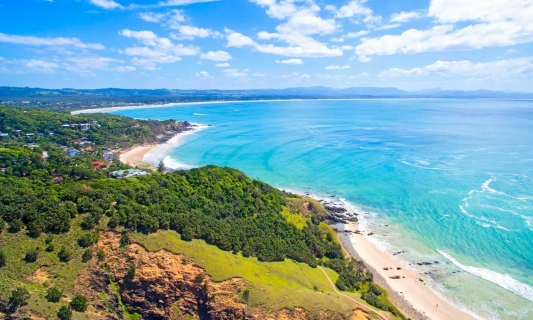 The most relaxed and alternative area of Australia is called the Byron Shire
The Byron Shire is one of the most pretty areas in the world. Not only in terms on natural beauty, also the relaxed vibe and people make this an area that remains close to your heart.
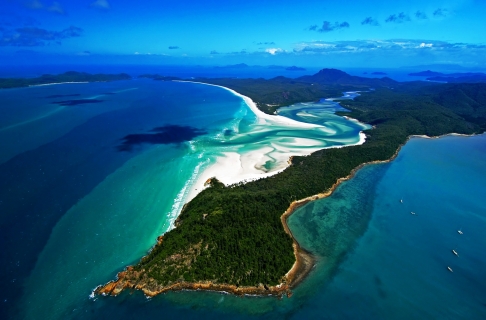 Sail the Whitsunday islands
The best travel period to sail the Whitsunday islands is “winter” between June and October, with pleasant temperatures around 23 degrees Celsius (74 Fahrenheit).
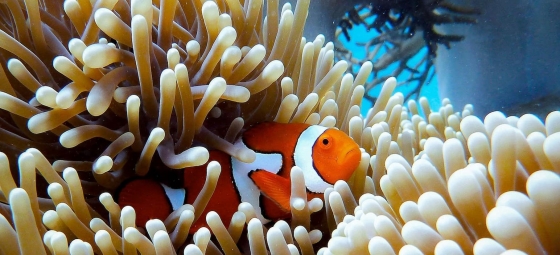 The best dive spots in Australia
Explore Australia's best dive spots: from the Great Barrier Reef to HMAS Perth. Discover vibrant corals, marine life, and historic wrecks.