

















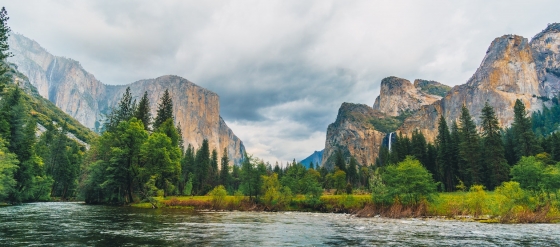
 Yosemite National Park is definitely worth a visit
Vast forests, blue lakes, towering sequoias, and majestic waterfalls hint at the beauty of Yosemite National Park—a true natural masterpiece.
January in Great Smoky Mountains National Park typically sees daytime highs of 6°C (43°F) and nighttime lows of -6°C (21°F). Rainfall is also possible this month, so it's worth packing an umbrella. It falls within the winter season.
If you prefer dry days with pleasant temperatures, January may not be the ideal month to visit Great Smoky Mountains National Park. Our weather planner can help you explore destinations with more pleasant weather conditions.
 Min Temperature
Max Temperature
Min Temperature
Max Temperature
 Chance of Rain
Precipitation
Rainy days
Chance of Rain
Precipitation
Rainy days
 Humidity
 Sunshine
Percentage Sunshine
Sunshine
Percentage Sunshine
Pick a month to see the average temperature, rainfall and sunshine in Great Smoky Mountains National Park - and find the best time to visit.
51-year average (1976-2026)
Based on our historical records, temperatures in Great Smoky Mountains National Park typically stay consistent throughout January, with daily highs averaging around 6°C (43°F). Nights are very cold, with lows typically ranging from -3°C (27°F) to 0°C (32°F).
51-year average (1976-2026)
Average daily rainfall for each day of the month based on long-term records.
Browse day-by-day weather records for Great Smoky Mountains National Park spanning 51 years. Select any month and year to see actual temperatures, rainfall, and conditions recorded on each day.
Based on 49 years of weather observations in Great Smoky Mountains National Park between 1976 and 2025, these are the recorded extremes.
Find out more about the weather in the United States of America and which places have the best travel conditions in this month. See all of the United States of America in January →
Perfect weather is subjective. On this map perfect weather has been defined with temperatures between 20°C (68°F) and 29°C (84°F) and not too much precipitation (less than 90 mm (3.5 in) a month).
We recommend to layer up for chilly conditions in Great Smoky Mountains National Park in January. You could start with thermal underwear or a good base layer to keep your core warm on the cooler days this month. Maybe also add a sweater or fleece, and top it off with a windproof jacket. Also bring a poncho, it will rain a lot! Waterproof everything you can. It won't hurt to bring your sunglasses along, as you'll see some sunny periods.
We rated the following activities from 1 (least suitable) to 10 (best) to do.


Where to go in January - average daytime high across popular destinations.
Need travel inspiration? Check out our bucket list articles and be inspired.
Yosemite National Park is definitely worth a visit
Vast forests, blue lakes, towering sequoias, and majestic waterfalls hint at the beauty of Yosemite National Park—a true natural masterpiece.
 The 10 most alternative cities in the United States
Discover the top 10 fun and alternative U.S. cities rich in art, culture, and adventure. From Portland's hippy charm to Sedona's stunning landscapes.
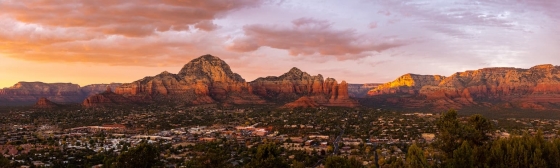 Sedona: Explore Majestic Red Rock Landscapes
A picturesque artists' town surrounded by red rocks and known for its spirituality, vortex energy, and stunning hikes like Cathedral Rock.
 10 most idyllic villages to visit in the United States
Discover 10 idyllic villages in the USA, from California to Vermont. Explore their unique charm, rich history, stunning nature, and vibrant arts scenes.